💥 Quick Answer To make gardenias deer proof, use physical barriers like tall fencing (at least 6 feet high), deer-resistant mesh netting, or plant them in raised beds surrounded by prickly plants such as rosemary or…
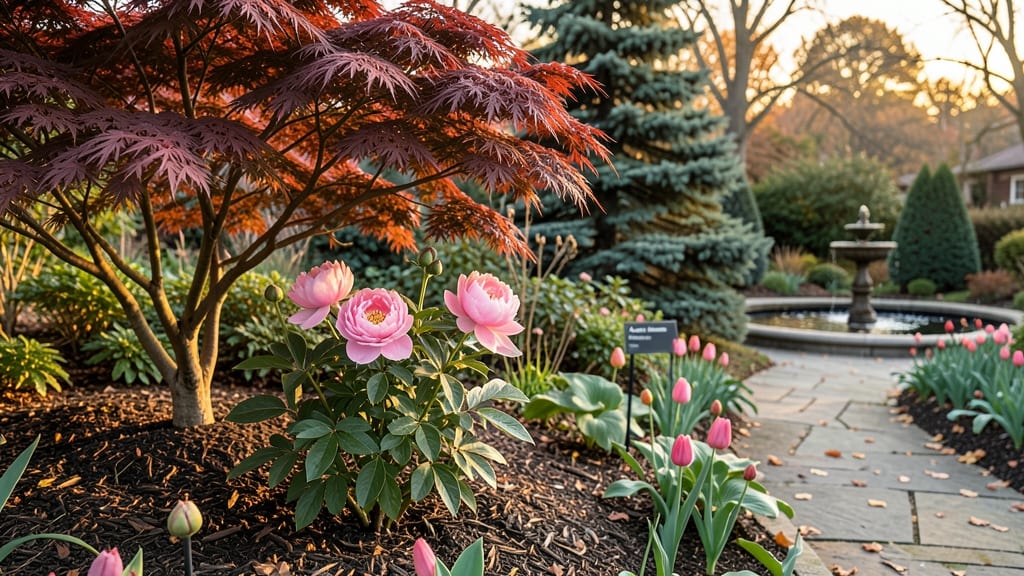
💥 Quick Answer The Montreal Botanic Garden showcases over 22,000 plant species across 19 themed gardens, blending cultural beauty with botanical diversity. Highlights include the serene Japanese Garden and the intricate…
💥 Quick Answer To learn gardening online, start with structured platforms like Coursera for science-backed courses, YouTube for visual tutorials, or MasterClass for expert-led guidance. Free options include university…
💥 Quick Answer Using vivid adjectives to describe a garden transforms its visual appeal and helps convey its essence—whether it’s a meticulously arranged herb spiral, a sprawling vine-covered arbor, or a wildflower…
💥 Quick Answer Carrot tops in the garden look like delicate, fern-like fronds arranged in a circular rosette directly above the soil. These lacy green leaves spread outward in a symmetrical pattern, with slender…
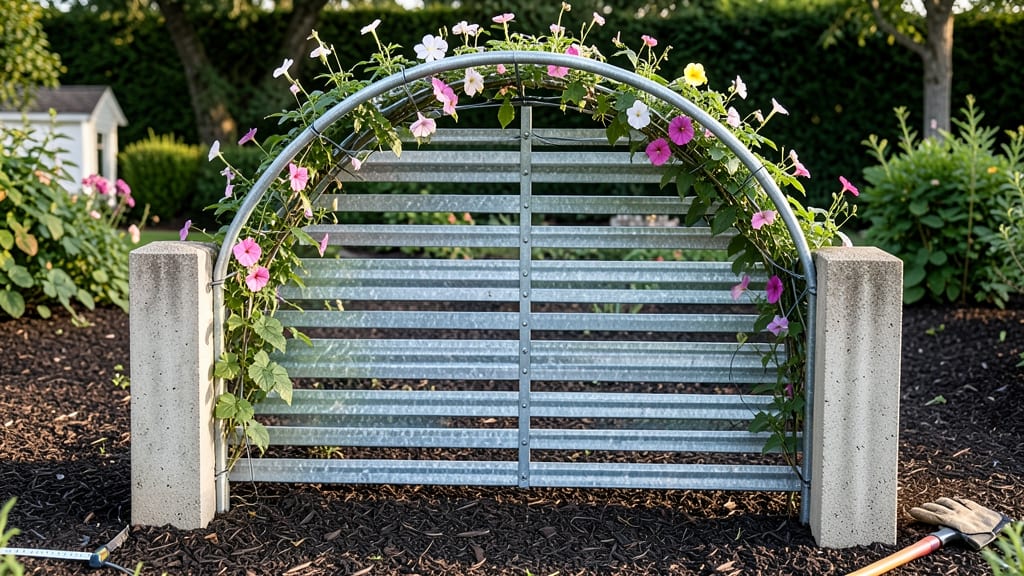
💥 Quick Answer For a garden arch, standard cattle panels come in 48-inch-wide sizes ideal for small to medium designs, while 54-inch-wide panels suit taller or wider arches. Post spacing must match the panel width, and…
💥 Quick Answer Yes, gardenias come in different colors beyond white, featuring rare pink, yellow, and deep red varieties—though these natural color variations are uncommon and often require specialized hybrid…
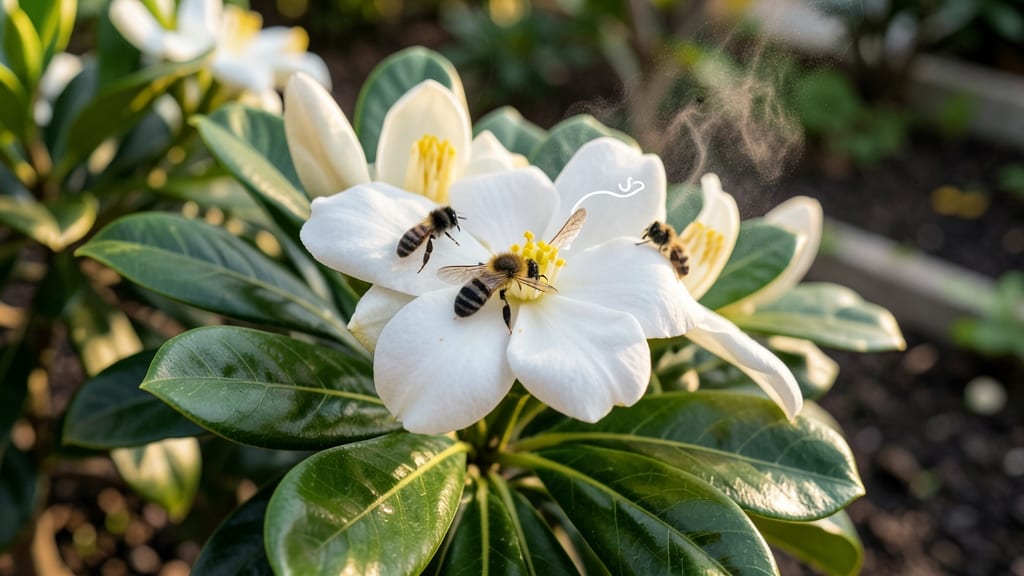
💥 Quick Answer Gardenias rarely attract bees because their heavy, sweet fragrance and nectar are primarily designed to lure night-flying moths, not pollinators like bees. Their small, shallow flowers also lack the…
💥 Quick Answer Growing a garden with king crabs involves their natural soil cultivation—larger crabs need 20-30 square feet per plant for optimal growth, while smaller crabs thrive in 10-15 square feet spaces, balancing…