
Light Requirements
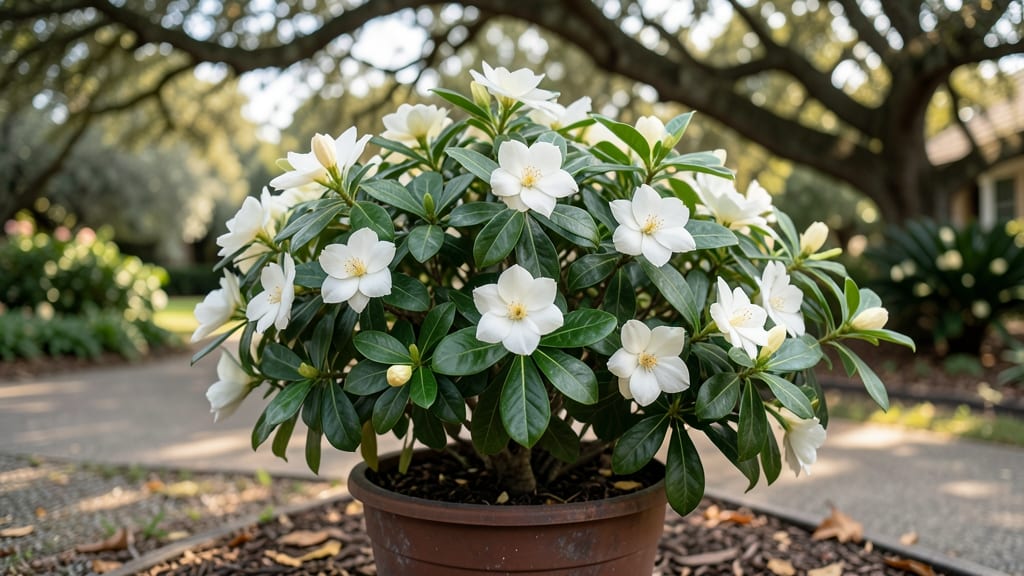
Gardenias can grow in shade, but they’ll need the right conditions to stay healthy and bloom beautifully 🌸.
Picture this: your shady garden spot, where other plants struggle, but you’re determined to grow fragrant gardenias. The good news is, with the right care, these tropical shrubs can thrive in partial shade—though they won’t be as vibrant as those basking in full sun.
Here’s the key: gardenias prefer bright, indirect light, like an east-facing window or dappled shade from trees. Too much darkness, and you’ll see fewer blooms and leggy growth. But don’t worry—we’ll cover how to adjust soil, prune, and even supplement light to keep your gardenias happy.
In this guide, you’ll learn how much shade is too much, the best varieties for low-light spots, and simple tricks to encourage blooming—even in the shadiest corners of your yard.


How much shade can gardenias tolerate before struggling?
Gardenias (Gardenia jasminoides) are famous for their intoxicating fragrance and glossy foliage, but their light needs often confuse gardeners. While they love bright, indirect light, they can tolerate some shade—though pushing them too far into darkness leads to weak growth and sparse blooms.
The key is understanding your garden’s shade intensity and adjusting care accordingly.
Gardenias thrive with 4-6 hours of filtered sunlight daily, ideally morning sun with afternoon shade. Too much deep shade (less than 2 hours of light) causes leggy stems, yellowing leaves, and fewer flowers.
Think of it like a balance: too much sun scorches their leaves, while too little shade weakens their structure and reduces fragrance.
Not all shade is equal. Dappled shade (sunlight filtering through trees) is ideal, while dense shade (under thick canopies) stresses gardenias. Even in partial shade, their care needs tweaks—like richer soil and more frequent watering to compensate for reduced photosynthesis. Let’s break down the thresholds and signs to watch for.
🔍 Comparison Table: Gardenia Light Tolerance
If your gardenia’s leaves start turning yellow or dropping, it’s a red flag for insufficient light. Sparse blooms or stunted growth also signal light deprivation. These signs often appear first on older leaves, where chlorophyll breaks down due to lack of energy from sunlight.
Pay close attention to the underside of leaves—if they’re pale or sparse, your gardenia needs more light.
Assessing your garden’s shade isn’t just about hours—it’s about light quality. Use a simple test: hold a white sheet of paper under the plant at midday. If the shadows are soft and diffused, it’s dappled shade (ideal).
If the area is completely dark, even with the sun out, it’s dense shade (problematic). For accuracy, check light levels at different times of day, as morning and afternoon shade behave differently.
Gardenias in shade also need more frequent watering because their roots struggle to dry out naturally. Aim for 1 inch of water weekly, but monitor soil moisture—shady spots retain dampness longer.
Amend the soil with compost or peat moss to improve drainage and nutrient uptake, which compensates for reduced photosynthesis. Think of it as giving your gardenia a nutrient boost to thrive where sunlight is scarce.
Pruning plays a crucial role in shade-grown gardenias. Thin out dense foliage to allow light to penetrate deeper into the plant. Focus on removing crossing branches and inner growth that’s blocked from sunlight.
This doesn’t just improve light exposure—it also encourages air circulation, reducing humidity-related issues like fungal diseases in shady conditions.
For gardeners in USDA Zones 7-9, where gardenias are hardy, shade tolerance varies by season. In summer heat, gardenias appreciate afternoon shade to prevent leaf scorch, while in winter, they can handle more direct light as days shorten.
If you’re in a cooler zone (Zone 6 or below), prioritize southern exposure for winter sun to keep your gardenia healthy.
Remember, gardenias are tropical plants at heart, so they’ll always perform best with as much light as possible. But with the right adjustments—soil amendments, pruning, and watering—you can coax them into blooming beautifully even in partial shade.
The goal isn’t to force them to thrive in darkness, but to optimize their environment for the light they do receive. 🌿
Proven tips to grow thriving gardenias in shade
Gardenias can absolutely thrive in shade—but only if you make a few strategic adjustments. The key is mimicking their natural tropical habitat where they receive bright, filtered light rather than harsh direct sun.
In my own garden, I’ve learned that amending the soil and adjusting watering routines can transform a struggling shade gardenia into a fragrant, blooming beauty.
First, let’s address the biggest challenge: gardenias in deep shade often produce fewer blooms and develop long, spindly stems as they stretch toward any available light. The good news?
With the right care, you can encourage compact growth and abundant flowers—even in the shadiest spots. Here’s exactly how I do it in my USDA Zone 6a garden.
Seasonal care makes all the difference for shade-grown gardenias. In summer, I increase watering to every 2-3 days because shaded soil dries more slowly. During winter, I add extra mulch (up to 4 inches) to protect roots from freezing—especially important in Zone 6a where temperatures can dip below freezing.
One trick I’ve found works wonders is supplemental lighting for indoor gardenias. Place them near an east-facing window or use a grow light for 4-6 hours daily. This mimics natural light cycles and prevents the leggy growth that plagues shade-only plants.
Remember, gardenias in shade won’t bloom as heavily as sun-loving varieties, but with these adjustments, you’ll still get fragrant flowers and lush foliage. The secret is treating them like the tropical plants they are—keeping soil moist, roots cool, and light levels consistent.
Your shaded gardenia will thank you with glossy leaves and occasional bursts of sweet-scented blooms!