
Planting
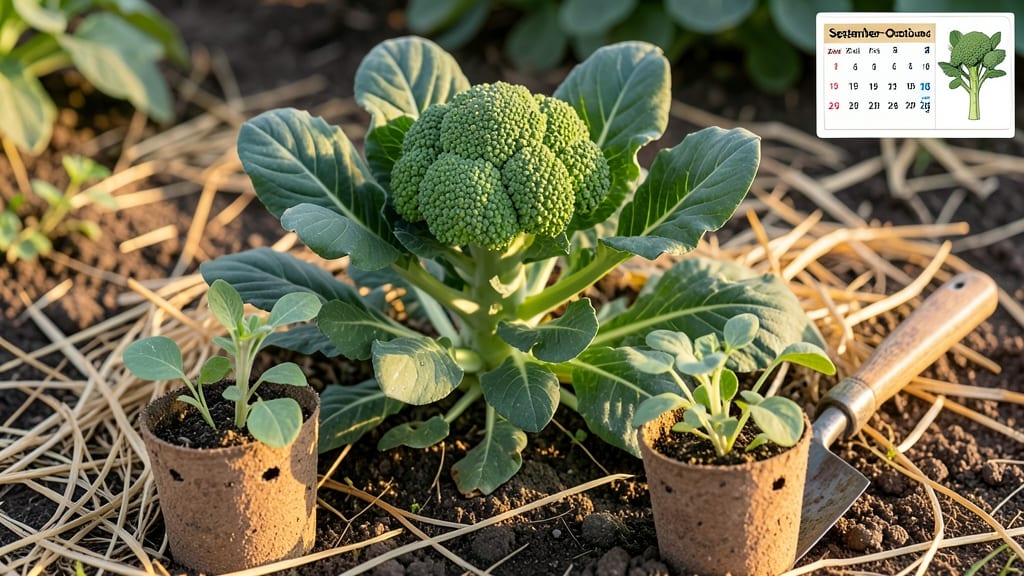
Planting a fall garden in Zone 7 about 6 to 8 weeks before frost is the secret to a bountiful harvest when temperatures dip.
Picture this: you’re pulling crisp, homegrown kale from the garden in November, just as the first frost arrives. But miss that window by even a week, and your plants bolt or freeze before they mature. That’s why timing isn’t just important—it’s everything.
Zone 7’s mild winters mean you can grow a second crop of leafy greens, root vegetables, and brassicas long after summer’s heat has faded. The key? Starting seeds at the right moment so they mature before the first frost—typically around mid-October—and knowing which crops thrive in cooler weather.
In this guide, I’ll break down the exact weeks to plant, the best varieties for your region, and how to stretch your harvest season with simple tricks like mulching and row covers. Ready to turn your garden into a fall feast?
Zone 7 fall planting timeline: exact weeks before frost for maximum yield
In Zone 7, the difference between a bountiful fall harvest and a disappointing one often comes down to planting timing. With the average first frost hitting around October 15, you’ll need to plan carefully to ensure your crops mature before winter sets in.
The key is understanding how many weeks before frost each plant needs to reach harvest—whether you're starting from seeds or transplanting seedlings.
Cool-season vegetables thrive in the mild temperatures of fall, but they won’t tolerate hard frost. That’s why I’ve broken down the exact planting windows for both direct-sown seeds and transplants, so you can maximize your garden’s potential.
For example, leafy greens like spinach and kale can handle light frosts, while root crops like carrots need to be harvested before the ground freezes.
| Plant Type | Planting Method | Weeks Before Frost | Harvest Window | Notes |
|---|---|---|---|---|
| Leafy Greens (Lettuce, Spinach, Kale) | Direct Sow | 6-8 weeks | September-October | Sow every 2 weeks for succession |
| Brassicas (Broccoli, Cauliflower, Cabbage) | Transplant | 8-10 weeks | September-November | Start indoors 4-6 weeks before transplanting |
| Root Crops (Carrots, Beets, Radishes) | Direct Sow | 8-12 weeks | September-October | Radishes mature fastest; sow last |
| Alliums (Onions, Garlic, Leeks) | Transplant | 10-12 weeks | October-December | Onions can overwinter; harvest as needed |
| Peas (Sugar Snap, Snow Peas) | Direct Sow | 6-8 weeks | September-October | Tolerates light frost; harvest before hard freeze |
For direct-sown seeds, like lettuce or radishes, you’ll want to start planting around mid-August to give them enough time to mature before frost. These crops are fast-growing and can often handle cooler temperatures, making them ideal for late-season planting.
For instance, radishes can be sown as late as September 15 in Zone 7 and still produce a harvest before winter.
On the other hand, transplants like broccoli or cabbage need more time to establish roots and grow to harvest size. If you’re starting from seedlings, begin transplanting them around mid-to-late August, giving them 8-10 weeks before the first frost.
This timing ensures they’ll have enough energy to bolt or flower before winter sets in. For example, broccoli planted in early August will be ready for harvest in late September or early October.
Adjust your planting schedule based on your local frost dates. If your area tends to have an earlier frost, like mid-October, shift your planting windows slightly earlier. Conversely, if your frost date is later, like November 1, you can extend your planting timeline.
Always check your local weather forecasts in late summer to fine-tune your plan.
One of my favorite tricks for extending the season is succession planting. By sowing small batches of fast-growing crops like lettuce or spinach every 2 weeks, you’ll have a continuous harvest well into fall.
This method works especially well for crops that tolerate cooler temperatures, ensuring you don’t end up with a glut of produce all at once.
Don’t forget to prepare your soil before planting. Amend it with compost or aged manure to improve fertility, and consider adding a slow-release fertilizer to support root development. Well-drained soil is critical for root crops like carrots and beets, so avoid planting in heavy clay if possible.
Mulching with straw or leaves will also help insulate the soil and protect tender plants from temperature swings.
As the weather cools, monitor your plants closely for signs of bolting or bitter flavors, which are common in leafy greens when exposed to prolonged cold. If you notice these issues, harvest the plants immediately
Best fall vegetables for Zone 7 and their ideal planting windows
When planning your Zone 7 fall garden, focus on frost-tolerant crops that thrive in cooler temperatures. These vegetables not only survive light frosts but often taste sweeter after a frost.
The key is planting them at the right time—typically 6 to 8 weeks before your first frost date, which in Zone 7 is usually around mid-October. This timing ensures your plants mature before winter sets in.
I’ve narrowed down the best high-yielding fall vegetables for Zone 7, including their ideal planting windows, spacing needs, and maturity timelines. Whether you’re growing leafy greens, root crops, or brassicas, these varieties are proven winners in cooler climates.
Let’s dive into the specifics so you can plan your garden like a pro.
- 🥬 Kale (Curled or Lacinato) – Plant 8 weeks before frost (early August). Space 12-18 inches apart. Maturity: 50-60 days. Thrives in cold and tastes sweeter after frost.
- 🥕 Carrots (Danvers or Nantes) – Sow 10-12 weeks before frost (late July to early August). Thin to 2-3 inches apart. Maturity: 60-70 days. Prefers loose, well-draining soil.
- 🥦 Broccoli (Calabrese or De Cicco) – Transplant 6-7 weeks before frost (late August). Space 18-24 inches apart. Maturity: 60-75 days. Avoid bolting by keeping soil moist.
- 🥬 Spinach (Bloomsdale or Space) – Sow 4-6 weeks before frost (early September). Space 4-6 inches apart. Maturity: 30-40 days. Harvest outer leaves for continuous yield.
- 🥕 Beets (Detroit Dark Red) – Direct sow 8-10 weeks before frost (late July to early August). Thin to 3-4 inches apart. Maturity: 50-60 days. Both roots and greens are edible.
- 🥬 Lettuce (Romaine or Buttercrunch) – Sow 6-8 weeks before frost (early to mid-August). Space 8-12 inches apart. Maturity: 30-50 days. Use row covers to extend harvest into winter.
- 🥬 Swiss Chard (Bright Lights) – Plant 6-8 weeks before frost (late August). Space 10-12 inches apart. Maturity: 50-60 days. Cut-and-come-again harvest for prolonged production.
For root crops like carrots and beets, start seeds early in the season—around late July—to ensure they mature before the ground hardens. These crops need consistent moisture but well-draining soil to prevent forking or splitting.
If you’re growing leafy greens like spinach or lettuce, you can even sow a second crop in early September for a late-fall harvest.
Don’t overlook brassicas like broccoli and kale, which not only tolerate frost but often improve in flavor after a light freeze. To protect them from early frosts, use row covers or mulch to insulate the soil.
These crops also benefit from well-amended soil—add compost before planting to ensure robust growth.
Pro tip: If you’re short on space, consider succession planting for faster-maturing crops like lettuce or spinach. Sow a new batch every 2-3 weeks starting in August to keep a steady supply of fresh greens. This method also helps prevent pests and diseases from overwhelming your garden.
By following these planting windows and spacing guidelines, you’ll avoid the common pitfalls of bolting or stunted growth. Soon, you’ll be harvesting crisp, homegrown vegetables well into the fall—long after your summer garden has faded. Happy planting! 🌱