
How To
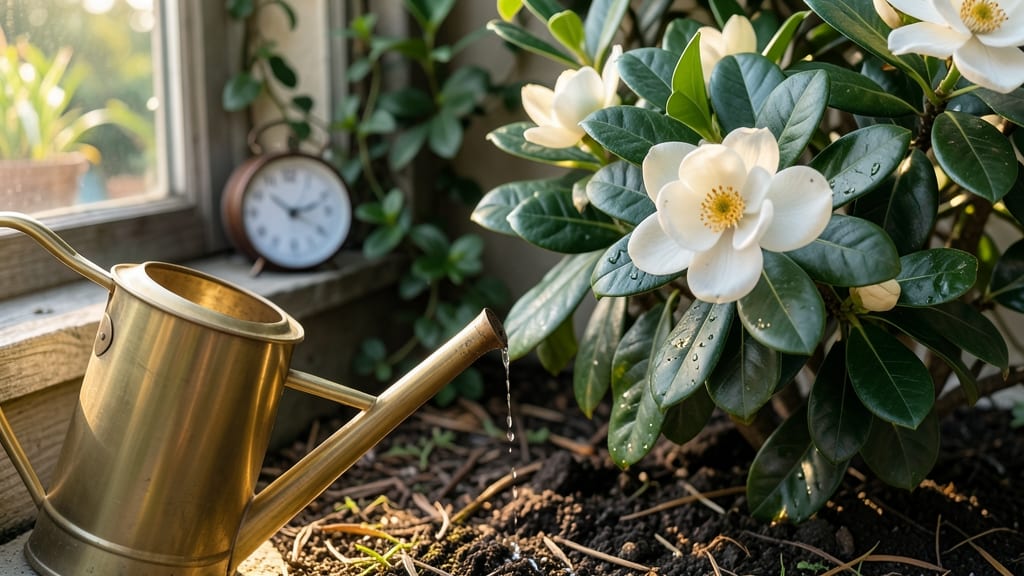
Watering gardenia 🌸 every 2-3 days keeps its glossy leaves and fragrant blooms thriving, but get it wrong and you’ll watch your plant wither or drown.
Struggling to keep your gardenia blooms vibrant and healthy? The secret lies in mastering its watering needs—overwatering or underwatering can turn your prized plant into a sad, wilted shadow of its former self.
Most gardenias need deep, consistent moisture without soggy roots, which means checking soil moisture before each watering. Clay soil holds water longer than sandy soil, while hot summers demand more frequent hydration.
Below, I’ll break down the exact watering schedule for your gardenia’s soil type and season, plus the simple finger test to avoid guesswork and keep your plant perfectly moist.
How often to water gardenias based on soil and season
Mastering the watering schedule for your gardenia is the key to those lush, fragrant blooms you adore. Unlike drought-tolerant succulents, gardenias thrive on consistent moisture but despise soggy roots. The trick? Adjusting your watering routine based on your soil type and the current season.
Too much or too little water, and you'll see wilting, yellow leaves, or—worse—no flowers at all. Let's dive into the science-backed approach to keep your gardenia happy year-round.
Your gardenia's water needs aren't one-size-fits-all. Clay soil holds moisture like a sponge, while sandy soil drains faster than a sieve. Even loamy soil—the gardener's gold standard—requires different care in summer's heat versus winter's chill.
Without tailoring your watering, you risk either drowning your plant's roots or leaving them parched. The good news? With a few simple adjustments, you can strike the perfect balance and enjoy blooms from spring to fall.
Soil type determines how often you should water, but seasonal changes dictate how deeply. In summer, gardenias in sandy soil might need daily watering, while those in clay soil could go 4-5 days between drinks. Winter slows everything down, so your watering frequency should drop dramatically. The goal? Keep the soil consistently moist (not soggy) at a depth of 1-2 inches. Here's how to adjust your routine:
Notice how potted gardenias dry out faster than in-ground plants? That's because containers heat up and lose moisture quickly. If your gardenia is in a pot, check soil moisture daily in summer—especially if it's in full sun.
Pro tip: Use your finger to test moisture at 1-2 inches deep. If it feels dry, it's time to water. For in-ground plants, clay soil holds water longer, so you can space waterings further apart, while sandy soil demands more frequent attention.
Seasonal shifts are just as critical as soil type. During spring's mild weather, gardenias in loamy soil typically need water every 3-4 days. But when summer arrives, those same plants may require daily watering—especially if temperatures hit 90°F+.
The key is to water deeply each time, encouraging roots to grow downward rather than staying shallow. In fall, reduce frequency as temperatures drop, and in winter, let the soil dry out more between waterings unless you're in a frost-free zone.
Watch for these visual cues to fine-tune your schedule: Wilting leaves signal underwatering, while yellowing leaves or mushy stems mean you're overdoing it. Gardenias also drop buds when stressed—so if you see bud drop, check your watering habits.
Another trick? Mulch around the base with 2-3 inches of organic mulch (like pine bark) to retain moisture and regulate soil temperature. This simple step can reduce watering needs by up to 30%.
Morning watering is ideal because it reduces evaporation and gives foliage time to dry before nightfall, lowering the risk of fungal diseases like powdery mildew. If you must water in the evening, do so before 6 PM to minimize moisture retention.
And always water at the base of the plant, not the leaves, to protect those delicate blooms from bacterial spots. A drip irrigation system or soaker hose is a game-changer for gardenias
The finger test method: how to check gardenia soil moisture like a pro
Mastering the finger test for gardenia soil moisture is the simplest way to avoid both overwatering and underwatering. Unlike guesswork, this method gives you real-time feedback about your plant's hydration needs.
Gardenias thrive when their soil stays consistently moist but never soggy—this test helps you strike that perfect balance every time.
Most gardeners make the mistake of watering on a schedule rather than checking soil conditions. But gardenias are sensitive to moisture levels, and their roots need oxygen-rich soil to stay healthy.
The finger test takes just 10 seconds and eliminates the risk of drowning your plant or letting it dry out completely.
- 1 Choose the right depth: Insert your index finger 1-2 inches into the soil near the plant's base. This is where the root zone begins for most gardenias.
- 2 Check moisture texture: Gently squeeze the soil between your thumb and finger. If it feels dry and crumbly, it's time to water. If it's clumpy and damp, wait 1-2 more days.
- 3 Assess soil stickiness: If your finger comes out clean with no soil clinging, your gardenia needs water immediately. If soil sticks to your finger, the roots are getting enough moisture.
- 4 Test multiple spots: Check 3-4 areas around the plant since moisture can vary. Focus on the outer edges of the root zone where dryness often starts.
- 5 Adjust for soil type: In sandy soil, test at 1 inch deep (dries faster). In clay soil, go 2-3 inches deep (retains moisture longer).
Pro tip: Perform the finger test in the morning before watering. This gives you the most accurate reading since evening watering can leave soil temporarily moist. For potted gardenias, test the soil before the top inch feels dry—these plants dry out much faster than in-ground varieties.
Remember that gardenias hate soggy roots, so if your finger test reveals excess moisture, hold off on watering until the soil feels slightly drier. This simple habit can prevent root rot and keep your gardenia blooming beautifully all season.
Once you master this method, you'll never second-guess your watering schedule again. Your gardenia will reward you with glossy leaves and abundant fragrant blooms—proof that you're giving it exactly what it needs. 🌸