
Tools
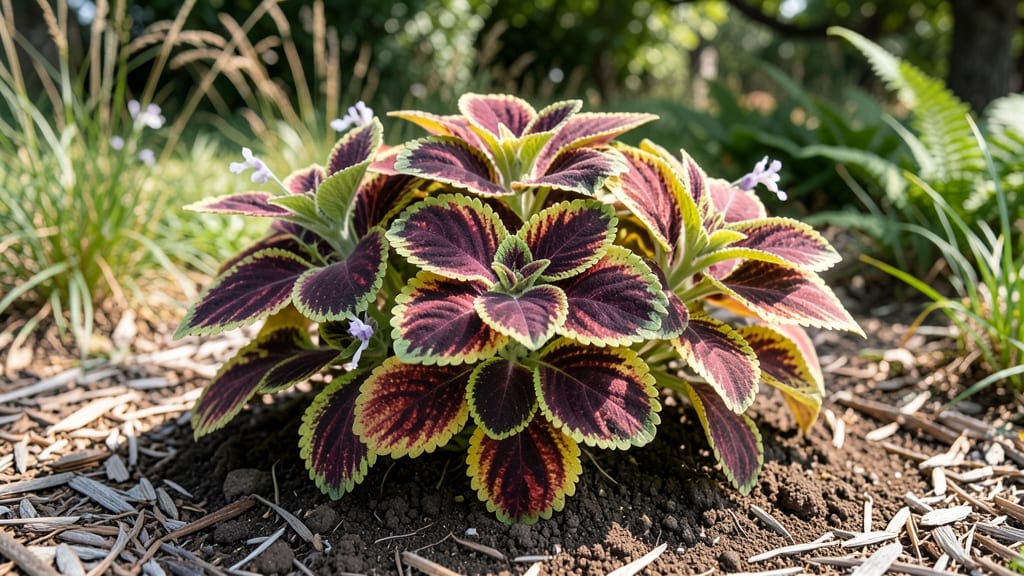
The Enchanted Garden Colors Collection 🌸 transforms ordinary spaces into dreamlike havens where every bloom feels like a storybook come to life.
Imagine stepping into a garden where soft lavenders whisper secrets to silver-leaved grasses, and deep purples fade into twilight blues as the sun sets. This isn’t just gardening—it’s creating a living mood board where colors shift with the seasons, lifting your spirits with every glance.
Whether you’re drawn to the ethereal pastels of spring or the fiery jewel tones of summer, the right palette can turn your outdoor space into a sanctuary. Below, I’ll share how to pair plants for maximum magic, avoid common color clashes, and let nature’s natural transitions guide your design.
Ready to craft a garden that feels like stepping into another world? Let’s dive into the art of mood-boosting color combinations that work as hard as they play.
How to choose enchanted garden colors for seasonal mood elevation
Creating an enchanted garden starts with understanding how color psychology transforms spaces. The right seasonal hues don’t just decorate—they elevate mood and create harmony with nature’s cycles. For example, soft lavenders in spring evoke calmness, while deep oranges in autumn spark warmth and coziness.
I’ve found that pairing complementary colors—like pink and purple or gold and green—creates a magical atmosphere that feels intentional. These combinations work because they balance each other, making your garden feel cohesive and intentional.
The key is to align colors with seasonal transitions, ensuring your garden feels fresh in spring and inviting in winter.
Here’s how to select mood-boosting palettes that work year-round, using plant science and design principles to guide your choices.
| Season | Mood Elevation | Key Colors | Plant Examples | Design Tip |
|---|---|---|---|---|
| Spring | Renewal & Hope | Soft pink, lavender, mint | Peonies, lavender, hostas | Layer textures with foliage and blooms. |
| Summer | Vibrancy & Energy | Coral, purple, gold | Sunflowers, hydrangeas, coneflowers | Use height variation for drama. |
| Autumn | Warmth & Comfort | Burnt orange, deep red, bronze | Chrysanthemums, sedum, maple leaves | Add ornamental grasses for movement. |
| Winter | Serenity & Mystery | Silver, icy blue, white | Snowdrops, heather, eucalyptus | Incorporate reflective surfaces like stones. |
When selecting enchanted garden colors, start by identifying the emotional tone you want to evoke. For instance, purple and blue hues create a calming retreat, perfect for stress relief, while yellow and orange bring energy and joy, ideal for social spaces.
I recommend sketching a simple color wheel to visualize how shades interact before committing to plants.
Another pro tip: Test colors in different light conditions. Morning sunlight casts a warmer glow on pinks and oranges, while evening light enhances cool blues and purples. Place a color swatch in your garden at various times of day to see how hues shift.
This small step prevents color clashes and ensures your palette remains magical year-round.
Don’t overlook the power of foliage colors—they’re the backbone of your palette. Variegated hostas or silver dusty miller add depth without overpowering blooms. Pairing deep green leaves with bright flowers creates a balanced, enchanting look. For example, burgundy coleus paired with white daisies feels whimsical and unexpected.
Seasonal transitions are where garden magic truly shines. Plan for overlapping blooms so your garden never feels bare. For instance, spring bulbs like tulips can transition into summer perennials like black-eyed Susans. This strategic layering ensures your garden stays visually rich from March to October.
To deepen the enchanted effect, incorporate accessories like lanterns, wind chimes, or mosaic stepping stones. These elements amplify color impact and add a storybook feel. For example, a blue glass lantern near lavender bushes enhances the magical ambiance at dusk.
Small details like these make your garden feel like a living fairy tale.
Finally, trust your intuition—if a color combination feels joyful or serene to you, it’s likely the right choice. My most successful gardens often start with a color that resonates emotionally, then build around it.
Whether it’s the soothing lavender of a cottage garden or the bold reds of a romantic border, let your personal connection guide the way.
With these principles, your garden will become a seasonal sanctuary that feels alive, intentional, and utterly ench
Top 5 enchanted garden color palettes for every season (with plant pairings)
An enchanted garden thrives on color harmony that shifts with the seasons, creating a living tapestry that feels like magic. Each palette I’ve curated below is designed to evoke specific moods—whether it’s the whispering softness of spring or the bold drama of summer—while keeping plant care practical.
For example, Moonlit Lavender paired with silver foliage creates an ethereal glow perfect for twilight gardens, while Crimson Roses against deep greens add timeless romance. These combinations aren’t just pretty; they’re mood-boosting powerhouses that transform your space into a seasonal sanctuary.
🌸 Seasonal Enchanted Palettes
-
1. Spring Whispers
Soft pastels for renewal: Pale pink peonies, blush hydrangeas, and mint lamb’s ear with silver lamb’s ear for texture. -
2. Summer Jewels
Vibrant jewel tones: Deep purple salvia, ruby red cannas, and sapphire blue delphiniums with chartreuse coleus for contrast. -
3. Autumn Ember
Warm earthy tones: Burning bush viburnum, copper beech leaves, and amber marigolds with rust-colored sedum. -
4. Winter Frost
Cool silvers and icy blues: Silver dusty miller, steel-blue lobelia, and frosted eucalyptus with white hellebore for structure. -
5. Twilight Garden
Moonlit hues: Lavender-blue nemesia, pearl-white snapdragons, and silver artemisia for a dreamy, nocturnal feel.
Each palette balances flower colors with foliage textures to create depth. For instance, the Summer Jewels palette uses chartreuse coleus to make the ruby red cannas pop against the sapphire delphiniums. This contrast is key to avoiding a flat, one-dimensional look.
Pro tip: Start with one dominant color (like lavender or crimson) and layer in 2-3 supporting hues to keep the palette cohesive. For example, pair Moonlit Lavender with silver foliage and soft white blooms for a serene, moonlit effect.
Don’t forget to consider light conditions—some palettes, like Winter Frost, shine brightest in morning sunlight, while Summer Jewels thrive in full afternoon sun. Adjust plant placement to let each palette’s magic unfold naturally.
With these seasonal color schemes, your garden will feel like a living storybook, shifting moods with the turning of the year. Which palette will you try first? 🌿