
How To
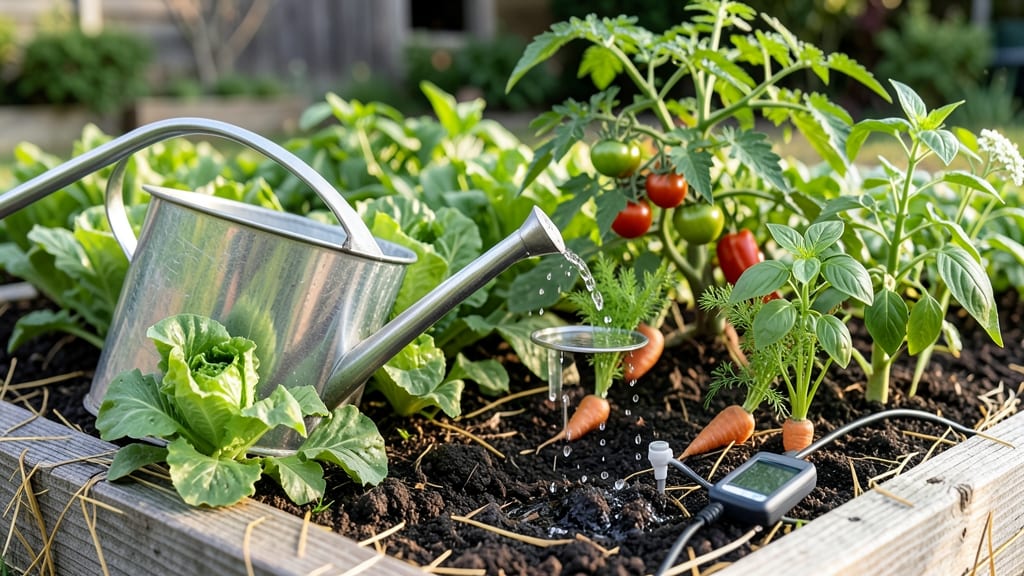
Watering your vegetable garden for the right duration is the difference between lush harvests and wilted disappointment.
Overwatering or underwatering your vegetable garden can spell disaster for your crops—yet most gardeners guess rather than measure. The deep-soil check method reveals the exact watering time your plants actually need for thriving root health.
Soil type, climate, and plant type all play a role in how long you should water. Sandy soil drains faster, requiring shorter sessions, while clay holds moisture longer, demanding deeper, less frequent watering.
Below, I’ll break down how to test your soil, adjust for seasonal shifts, and tailor watering times to each plant’s needs—so you never waste a drop or leave roots thirsty.
The deep-soil check method: how to determine exact watering duration
Most gardeners water their vegetable gardens based on guesswork, but that approach leads to either soggy roots or thirsty plants. The deep-soil check method gives you precise data to adjust your watering duration—down to the exact minutes your plants need.
This technique works for seedlings (1-2 inches deep) and mature vegetables (3-4 inches deep), ensuring roots get the perfect hydration balance.
Why does this matter? Overwatering causes root rot, while underwatering stunts growth. By testing soil moisture at the right depth, you’ll learn when to water based on your climate zone and plant type.
For example, leafy greens like lettuce need frequent, shallow watering, while root crops like carrots thrive with deep, infrequent soaking.
You’ll only need a few simple tools: a soil probe (or even a wooden dowel), a moisture meter (optional), and a timer. Start by checking soil moisture at the correct depth—this tells you whether your plants need water now or can wait.
The key is consistency: test the same spot every time to track patterns.
Select 1-2 inches for seedlings or 3-4 inches for mature plants. Use a soil probe or screwdriver to mark the depth.
Insert the probe and pull it out. If the soil clumps together, it’s moist enough. If it crumbles, water is needed.
Turn on your hose or irrigation and time how long it takes for moisture to reach your test depth. Leafy greens may need 5-10 minutes, while root crops often require 15-25 minutes.
In hot, dry climates, water 10-30% longer. In cooler zones, reduce by 10-20%. Sandy soil drains faster—test more frequently.
Record your findings in a garden journal. Note which plants need longer watering (e.g., tomatoes) and which need shorter sessions (e.g., radishes).
Always water in the early morning (before 9 AM) to reduce evaporation and fungal risks. Avoid evening watering in humid climates.
Pro tip: If you’re using drip irrigation, run it for the same duration you’d water manually—just monitor soil moisture to fine-tune. For container gardens, check moisture every 1-2 days since pots dry out faster.
The deep-soil check method works for all vegetables, but fruiting plants like peppers and eggplants often need longer watering to develop strong roots.
Signs you’re watering correctly include deep green leaves (not wilting or yellowing) and firm soil when pressed. If your plants show blossom-end rot (common in tomatoes), you’re likely underwatering or overwatering—adjust your duration immediately.
The deep-soil check method eliminates guesswork, so you’ll know exactly how long to water for peak vegetable health.
Remember, soil type matters. Clay soil holds moisture longer, while sandy soil drains quickly. Test both types separately if your garden has mixed soil. Over time, you’ll develop a personalized watering schedule tailored to your garden’s unique conditions.
This method saves water, prevents waste, and ensures your vegetables grow stronger and faster.
Start today by testing one section of your garden. Within a week, you’ll have a data-driven watering plan that keeps your soil perfectly balanced—no more wasted water or struggling plants. Your future harvests will thank you!
Watering duration by plant type: leafy greens vs. root vegetables vs. fruiting plants
Not all vegetables thirst the same way—leafy greens like lettuce and spinach need frequent, shallow drinks, while root vegetables such as carrots and beets prefer deep, infrequent watering.
Meanwhile, fruiting plants like tomatoes and peppers demand consistent moisture to prevent stress. Understanding these differences ensures your garden thrives without wasting water or drowning roots.
To find the perfect watering duration, start by checking soil moisture 1-2 inches deep for seedlings and 3-4 inches deep for mature plants. Use a soil probe or your finger to gauge dryness—if it feels like a wrung-out sponge, it’s time to water.
The key is deep watering that encourages roots to grow downward, not just surface-level hydration.
| Plant Type | Ideal Watering Duration | Frequency | Signs of Over/Under-Watering |
|---|---|---|---|
| Leafy Greens (Lettuce, Spinach, Kale) | 10–15 minutes | Daily (morning) | Wilting (under), yellowing leaves (over) |
| Root Vegetables (Carrots, Beets, Radishes) | 20–30 minutes | Every 2–3 days | Cracked soil (under), rotting roots (over) |
| Fruiting Plants (Tomatoes, Peppers, Cucumbers) | 25–40 minutes | Every 1–2 days | Blossom-end rot (under), fungal spots (over) |
For leafy greens, a quick 10–15 minute watering session in the morning keeps them crisp and prevents bolting. Overwatering causes yellowing leaves, while underwatering leads to limp, wilted foliage. Use a gentle spray or drip irrigation to avoid disturbing shallow roots.
Root vegetables need deeper watering—20–30 minutes—to encourage straight, tender growth. Watering too little causes stunted roots, while excessive moisture leads to rot. Mulch around the base to retain moisture and regulate soil temperature, reducing the need for frequent watering.
Fruiting plants like tomatoes and peppers require the most attention, with 25–40 minutes of watering every 1–2 days. Inconsistent watering triggers blossom-end rot in tomatoes or cracked fruits. Monitor soil moisture closely, especially during fruiting, and avoid wetting leaves to prevent fungal diseases.
Adjust your watering duration based on weather, soil type, and plant stage. In hot climates, increase time by 30–50%, while sandy soil drains faster, requiring shorter sessions. Always water deeply to build resilient roots—your plants will thank you with bountiful harvests! 🌱💧