
Tools
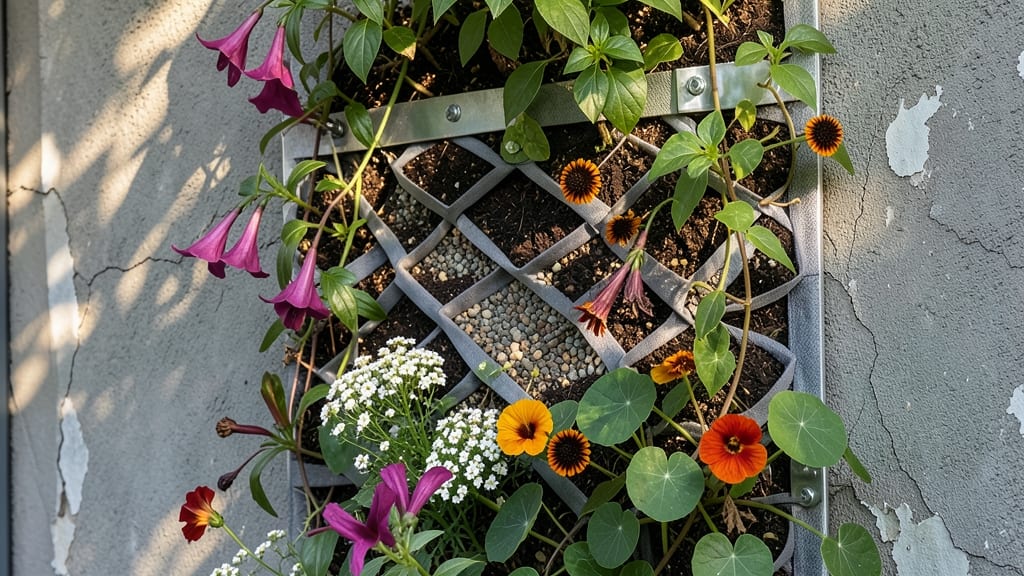
An outdoor wall garden turns even the smallest yard into a thriving green space 🌿—no sprawling beds or wasted square footage required.
Picture this: a vertical oasis where herbs cascade like a living curtain, strawberries dangle within reach, and flowers bloom just inches from your doorstep. That’s the magic of vertical gardening, and it’s far more accessible than you might think.
Whether you’re working with a cramped balcony or a narrow side yard, the right design maximizes space while keeping maintenance simple. We’ll cover space-saving layouts, plant pairings that thrive together, and even budget-friendly DIY setups to get you growing fast.
By the end, you’ll know exactly how to turn your wall into a functional, beautiful garden—without sacrificing style or ease.
How to design a functional outdoor wall garden for small yards
Outdoor wall gardens are a game-changer for small yards, turning blank walls into vibrant, functional green spaces. Whether you're working with a tiny patio, urban balcony, or a sunlit alleyway, vertical gardening maximizes every inch while adding beauty and utility.
The key lies in strategic planning—choosing the right structure, plants, and placement to create a thriving ecosystem that’s both practical and stunning.
Before diving into designs, assess your space’s sunlight patterns and wall type. A south-facing wall will support sun-loving plants like tomatoes or basil, while a north-facing wall is ideal for shade-tolerant ferns or hostas.
Your wall material—wood, metal, or trellis—will also dictate drainage, weight limits, and aesthetic flexibility. Let’s break this down into actionable steps to build your dream wall garden.
- Wooden pallets: Budget-friendly, rustic look ($10–$30 each). Best for lightweight plants like herbs or succulents.
- Metal grids: Durable, modern, and weather-resistant ($40–$80). Perfect for heavy vines like jasmine or ivy.
- Trellis panels: Aesthetic and functional ($25–$60). Ideal for climbing plants like beans or morning glories.
- Pre-built planters: Easy to install ($50–$150). Great for modular systems with built-in irrigation.
- Measure sunlight hours (use a sunlight tracker app for 24 hours).
- Check wall drainage: Add a waterproof barrier if needed (e.g., landscape fabric).
- Note wind exposure: Secure lightweight structures with L-brackets or screws.
- Test weight limits: Avoid overloading with heavy soil or large pots.
- Herbs: Basil, thyme, mint (thrive in 6+ hours of sun).
- Trailing plants: Nasturtiums, strawberries, or petunias (spill beautifully).
- Succulents: Sedum or echeveria (need minimal water and full sun).
- Edibles: Cherry tomatoes, peppers, or lettuce (use self-watering pockets).
- Place tallest plants at the back (e.g., sunflowers or rosemary).
- Use mid-height plants (e.g., bush beans or marigolds) in the middle.
- Fill gaps with trailing or cascading plants (e.g., creeping thyme or ivy).
- Group plants with similar water needs to simplify care.
- Attach your structure using heavy-duty brackets or adhesive strips for renters.
- Use lightweight potting mix (add perlite for drainage).
- Water early in the morning to reduce evaporation.
- Fertilize every 4–6 weeks with a balanced 10-10-10 mix.
For a DIY approach, wooden pallets or cinder blocks with planters are budget-friendly and customizable. If you prefer convenience, pre-built modular wall gardens (like those from Living Wall Planters) offer plug-and-play ease.
My go-to for small spaces? A 3-tiered metal grid filled with herbs and succulents—it’s lightweight, durable, and fits snugly against a fence.
Don’t overlook irrigation solutions like drip systems or self-watering pockets to save time. If your wall gets direct afternoon sun, opt for shade-cloth to protect delicate plants. Pro tip: Add a small LED light strip for evening ambiance and to deter pests.
Material costs vary widely: a basic DIY pallet garden runs $20–$50, while a premium modular system can hit $200–$500. Start small with a 1–2 foot section to test what works before expanding.
My first wall garden? A $35 cedar trellis with climbing nasturtiums—now it’s a magnet for butterflies and compliments!
Finally, rotate plants seasonally to keep your wall garden thriving. Swap out winter-hardy kale for summer basil and add holly or ivy for festive winter greenery. With the right design, your outdoor wall garden will be the star of your small yard, blending functionality and flair seamlessly.
Best plants for outdoor wall gardens: fast-growing and low-maintenance picks
Choosing the right plants makes all the difference in a vertical wall garden. You want varieties that thrive in tight spaces, grow quickly, and require minimal fuss—especially when water and nutrients are limited.
The best candidates are compact herbs, trailing vines, and drought-tolerant succulents, all of which add beauty and functionality without overwhelming your wall.
For full-sun spots, opt for sun-loving stars like thyme, rosemary, and nasturtiums, which handle heat and dry conditions like champions. In partial shade, fuchsia, ivy, and lettuce shine, offering lush foliage and edible harvests with just a few hours of indirect light daily.
Here’s a quick guide to the top performers, organized by sunlight needs and growth habits to help you pick the perfect mix for your wall:
| Plant Type | Sunlight Needs | Water Needs | Mature Size | Notes |
|---|---|---|---|---|
| Trailing Nasturtium | Full sun (6+ hrs) | Moderate (let dry between waterings) | 1–3 ft (spreads widely) | Edible flowers, pest-repellent, fast-growing |
| Bushy Thyme | Full sun to partial shade | Low (drought-tolerant) | 6–12 inches tall | Fragrant, deer-resistant, perennial |
| Trailing Sweet Potato Vine | Partial shade (4–6 hrs) | Moderate (keep soil moist) | 2–4 ft (spreads aggressively) | Fast-growing, vibrant foliage, non-edible |
| Bushy Lettuce (e.g., 'Buttercrunch') | Partial shade (3–4 hrs) | High (keep soil damp) | 8–12 inches tall | Quick harvest (30–45 days), cut-and-come-again |
| Trailing Fuchsia | Partial shade (morning sun) | Moderate (avoid soggy soil) | 1–2 ft (hanging baskets ideal) | Stunning blooms, attracts hummingbirds |
| Bushy Rosemary | Full sun (6+ hrs) | Low (drought-resistant) | 2–3 ft tall, woody stems | Perennial, aromatic, culinary uses |
| Succulent Sedum ('Dragon’s Blood') | Full sun to partial shade | Very low (water every 2–3 weeks) | 6–12 inches tall | Drought-proof, vibrant foliage, low-maintenance |
When layering plants, place taller varieties (like rosemary or sedum) at the back and trailing plants (nasturtiums or sweet potato vine) at the front for a lush, cascading effect. This not only looks stunning but also ensures every inch of your wall garden is utilized efficiently.
Pro tip: Group plants with similar water needs together to simplify care. For example, pair drought-tolerant thyme and sedum with moisture-loving lettuce and fuchsia in separate pockets or sections. This minimizes the risk of over- or under-watering and keeps your wall garden thriving with minimal effort.
Start with 3–5 of these low-maintenance stars, and you’ll have a vibrant, productive wall garden in just a few weeks—no green thumb required! 🌱