
Tools
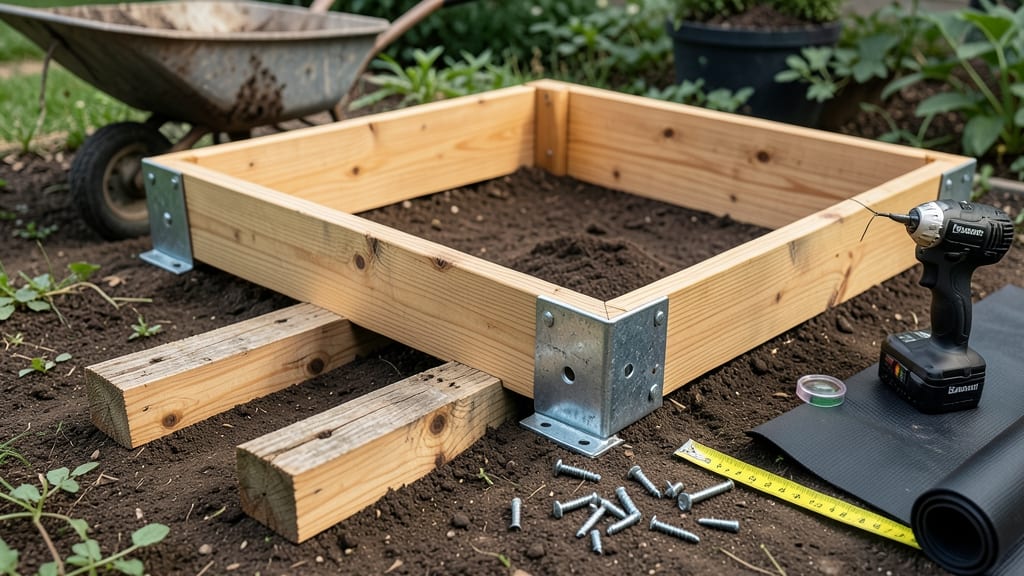
A sturdy 2x4 raised garden bed plan lets you build a custom, long-lasting frame that’s perfect for growing 🌱 General Vegetable or flowers in Zone 6a—and you can finish assembly in under 2 hours with basic tools.
Picture this: no more bending over a tired backyard plot, no more weeds choking your spring crops, and a bed that stays level year after year.
The key? A simple 2x4 design that’s durable, budget-friendly, and adaptable to any space—whether you’re filling a corner or replacing a whole garden row.
I’ll walk you through the exact material list (including cost-saving swaps), step-by-step assembly tips to avoid wobbly corners, and how to customize your bed for drainage, height, or even a built-in trellis. No prior carpentry skills? No problem.
By the end, you’ll have a low-maintenance bed ready for planting by April—plus, I’ll share the one trick that keeps my beds from rotting after five years. Let’s build something that lasts.
Step-by-step 2x4 raised garden bed plans for beginners
A 2x4 raised garden bed is one of the easiest ways to create a high-yield, low-maintenance growing space. Using pressure-treated lumber ensures durability against rot and pests, while the 4’x8’ or 4’x4’ dimensions fit perfectly in most backyard spaces.
Whether you're growing tomatoes, herbs, or flowers, this design elevates your plants above soil-borne diseases and improves drainage.
With just a few basic tools and a weekend afternoon, you can assemble a sturdy raised bed frame that lasts for years. The key is using corner braces for stability and pre-drilling screws to prevent wood splitting.
My first bed took me under 2 hours—here’s how you can match that efficiency while avoiding common pitfalls.
🌱
Step-by-Step Assembly Guide
-
Step 1: Gather Materials
- 8 pieces 2x4 lumber (8 ft long) for 4’x8’ bed
- 4 galvanized corner braces (L-brackets)
- 3.5" deck screws (100-count box)
- 1 sheet landscape fabric (optional for weed barrier)
-
Step 2: Cut Lumber
- Cut 4 pieces at 3’6” (for short sides)
- Cut 4 pieces at 7’6” (for long sides)
- Use a circular saw with a straight-edge guide for precision
-
Step 3: Assemble Frame
- Lay two long boards parallel on ground
- Attach short boards at ends with 2 screws each
- Flip and repeat for second side
- Connect sides with corner braces (pre-drill holes!)
-
Step 4: Reinforce Structure
- Add horizontal 2x4 supports mid-height for stability
- Use 3” screws for supports to prevent wobbling
- Check for square corners (measure diagonals)
-
Step 5: Add Weed Barrier
- Line bed interior with landscape fabric
- Secure with staple gun to sides
- Prevents weeds while allowing water drainage
-
Step 6: Fill and Plant
- Layer with cardboard, compost, and topsoil
- Fill to 6” below rim for easy access
- Plant vegetables 12” apart or herbs 6” apart
For a 4’x4’ bed, simply adjust your cuts to 3’6” for all sides and use 2 corner braces per corner instead of L-brackets. This smaller size is perfect for container gardening or growing compact varieties like bush beans or lettuce.
When filling your bed, I recommend a 3:1 ratio of soil to compost for the first 6 inches. This gives your plants the nutrient-rich foundation they need while improving drainage. For heavy clay soil areas, add a 1-inch layer of gravel at the bottom before the landscape fabric.
One common mistake beginners make is skipping the corner braces, which can cause the frame to sag over time. Always pre-drill screw holes to prevent the wood from splitting—this is especially important for pressure-treated lumber, which can be brittle when dry.
🪴
To extend your bed’s lifespan, apply a non-toxic wood sealant every 2-3 years. This protects against moisture damage and UV rays, keeping your frame looking fresh for seasons to come. For extra stability, consider adding leg supports if your bed sits on uneven ground.
Once assembled, your 2x4 raised garden bed will provide the perfect growing environment for vegetables, herbs, and flowers. The elevated design makes weeding and harvesting easier on your back, and the controlled soil environment leads to healthier, more productive plants.
☀️
Cost-saving tips and material alternatives for 2x4 raised beds
Building a 2x4 raised garden bed doesn’t have to break the bank. Standard pressure-treated lumber can cost $3-$5 per board, but smart alternatives like reclaimed wood or composite lumber can cut costs by 30-50% while improving durability.
The key is balancing affordability with longevity—especially for beds exposed to moisture and pests. Let’s explore budget-friendly options that won’t compromise your garden’s health.
First, consider reclaimed wood from pallets, barns, or construction sites. Cedar or redwood scraps are ideal—they resist rot naturally and last 10+ years if properly treated. Check local Facebook Marketplace or Craigslist for free or low-cost wood; just sand and inspect for pest damage or mold before assembly.
For a 4’x8’ bed, you might spend just $20-$40 instead of $100+ for new lumber.
| Material | Cost per Board | Lifespan | Pros | Cons |
|---|---|---|---|---|
| Reclaimed Cedar | $10-$20 | 10-15 years | Natural rot resistance, eco-friendly | May need sanding, limited availability |
| Pressure-Treated Pine | $3-$5 | 7-10 years | Affordable, widely available | Chemical leaching risk, shorter lifespan |
| Composite Lumber | $8-$12 | 15-20 years | No rot, pest-proof, low maintenance | Higher upfront cost, less eco-friendly |
| Cinder Blocks | $1-$2 each | 20+ years | Extremely durable, fire-resistant | Heavy, less aesthetic, requires mortar |
| Brick or Stone | $2-$4 per unit | 30+ years | Timeless look, ultra-durable | Expensive labor, heavy materials |
If you’re hesitant about reclaimed wood, composite lumber is a mid-range option that mimics wood but resists rot and insects. Brands like Trellis Decking or Choice DuraBoard cost more upfront but last 2-3x longer than pine.
For a 4’x4’ bed, composite edges add ~$50 to the total cost but eliminate annual maintenance. Pair composite with cedar corner posts to save on full-frame upgrades.
For the most budget-conscious gardeners, cinder blocks or brick create sturdy, long-lasting frames with minimal upkeep. A 4’x8’ block bed uses ~32 blocks ($32-$64 total) and lasts decades. Line the interior with landscape fabric ($5-$10) to prevent soil from leaking through gaps.
This method is ideal for heavy clay soils or areas with high foot traffic.
No matter which material you choose, prioritize proper spacing (12-18 inches between boards) to prevent warping and elevate the bed 6+ inches for drainage. Use galvanized screws ($5 for a pack) instead of nails to avoid rust, and seal wood annually with food-safe linseed oil ($10 per quart).
These small upgrades extend your bed’s life by 3-5 years while keeping costs low.
Ready to build? Start with a material cost comparison for your local options, then sketch a simple cutting list to avoid waste. With the right materials, your 2x4 raised bed can thrive for years—without the hefty price tag. 🌱