
Tools
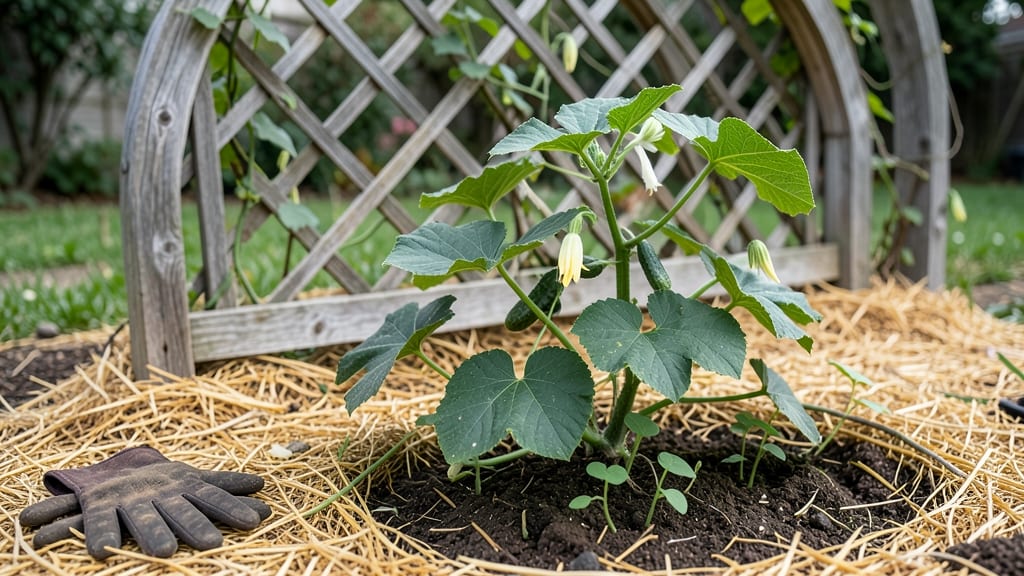
Garden bed trellis ideas turn small spaces into vertical gardens, letting you grow more without taking up extra room—perfect for climbers like 🌿 clematis or cucumbers.
Picture this: a 6-foot clematis sprawling elegantly up a lattice instead of crowding your garden bed, or a tangle-free cucumber vine stretching toward the sky. These space-saving structures aren’t just functional—they’re the secret to a lush, organized garden that looks intentional, not cramped.
Whether you’re working with a narrow bed in USDA Zone 6a or just want to maximize every inch, the right trellis can double your growing area. From rustic wooden arches to sleek metal grids, we’ll show you how to pick the perfect design for your plants and layout.
Ready to transform your garden? You’ll discover 7 creative trellis styles, DIY tips for budget-friendly builds, and plant pairings that make your vertical garden thrive—no green thumb required.
7 Space-saving trellis designs for small garden beds
Small gardens deserve just as much vertical drama as sprawling yards. Trellises turn tight spaces into lush, productive areas by guiding vines upward, freeing up precious ground space for other plants.
Whether you're growing cucumbers, roses, or clematis, the right trellis design can double—or even triple—your harvest potential while adding stunning visual interest. The key is choosing a structure that matches your plant types, available space, and DIY comfort level.
From bamboo teepees perfect for delicate flowers to heavy-duty metal arches for robust climbers, each trellis design offers unique benefits. I’ve tested these seven structures in my own 4’x6’ raised beds, and they’ve transformed my compact garden into a vertical paradise.
Below, you’ll find material options, best plant pairings, and space efficiency metrics to help you pick the perfect fit for your garden.
🌱
My favorite bamboo teepee design saved me 70% of ground space when growing clematis last season. The lightweight poles bent easily into place, and the twine provided just enough support for the delicate stems.
For heavier climbers like cucumbers or kiwi vines, I recommend the A-frame arch—its sturdy PVC frame holds up to **20 pounds per
How to choose the best trellis for your plants and space
Selecting the right trellis starts with understanding your plant’s growth habits and your garden’s layout. Heavy climbers like cucumbers or pole beans need sturdy, wide trellises to support their weight, while lightweight flowers such as clematis or morning glories thrive on delicate wire or lattice structures.
Matching the trellis to your plant’s mature size prevents flopping or breakage as vines grow.
Next, consider your sunlight exposure and wind patterns. South-facing trellises should be tall and sturdy to handle full sun, while shaded areas benefit from lightweight, flexible designs.
If your garden gets strong winds, opt for trellises with a low center of gravity or anchor them securely to the ground or fence.
Don’t overlook ease of maintenance—some trellises, like obelisks or A-frames, are easier to clean than sprawling lattice panels. If you plan to rotate crops annually, choose modular trellises that can be disassembled or moved.
For perennial vines like clematis, invest in a permanent structure to avoid disturbing roots.
Pro tip: Test your trellis’s weight capacity before planting. Fill a bucket with 5-10 gallons of water (simulating a mature vine) and place it on the trellis.
If it bends or wobbles, reinforce it with additional stakes or cross-bracing. This simple test saves headaches later when vines are at their peak.
Finally, align your trellis with your garden’s aesthetic. Rustic wood trellises blend into cottage gardens, while sleek metal designs suit modern spaces. Mix materials—like bamboo stakes with a wire mesh top—for a balanced look that’s both functional and stylish.