
Planting
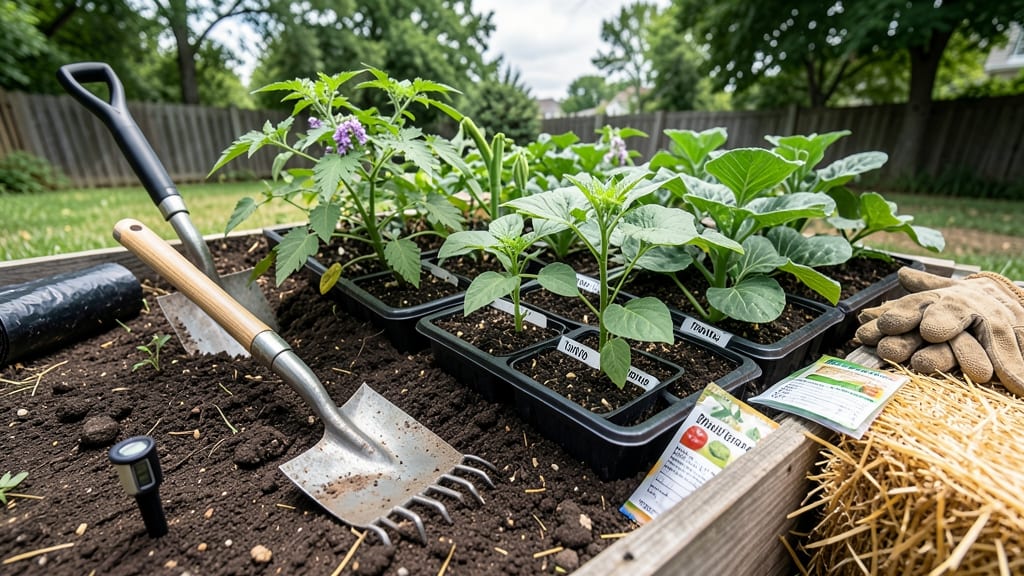
Planting a garden in Georgia at the right time is the key to a fast, bountiful harvest—and missing these deadlines can leave you with stunted plants or wasted effort.
Georgia’s warm climate and long growing season make it a gardener’s paradise, but timing is everything. Whether you’re growing tomatoes, peppers, or cool-season greens, planting too early or too late can mean the difference between a thriving garden and a struggle.
In this guide, I’ll break down the best planting windows for Georgia’s USDA zones (7a-8b), including when to start warm-season crops in spring and cool-season crops in fall. You’ll also learn how to adjust for regional differences—like the cooler Piedmont or the humid Coastal Plain—to maximize your garden’s potential.
From frost dates to soil prep, you’ll discover the exact months to plant for the fastest growth, plus common mistakes to avoid. Let’s get your garden off to the best start!
Georgia planting zones explained: when to start cool vs warm season crops
Georgia's diverse climate spans USDA hardiness zones 7a through 8b, creating distinct planting windows across the state. In zone 7a (northern mountains), last spring frosts typically arrive around April 15, while zone 8b (coastal areas) often sees frost-free conditions by March 1.
These variations mean your planting schedule should adjust based on whether you're growing cool-season crops like lettuce or warm-season crops such as tomatoes.
Understanding these zones helps you avoid common mistakes like planting warm-season vegetables too early when soil temperatures are still chilly. For example, tomatoes and peppers need soil at 60°F or warmer to germinate properly.
Meanwhile, cool-season crops thrive when daytime temperatures stay below 75°F, making fall planting ideal for leafy greens.
Here's how Georgia's planting zones break down for your garden planning:
For warm-season crops, always wait until soil temperatures reach 60°F+ before planting. Use a soil thermometer to check—this is especially critical for southern Georgia where early planting can lead to blossom-end rot in tomatoes. In northern zones, consider using row covers to extend the season for heat-loving plants.
Cool-season crops like broccoli and spinach should be sown 6-8 weeks before your first fall frost. In zone 7a, that means starting seeds by July 15, while zone 8b gardeners can plant until September 15.
These crops actually prefer cooler weather and will bolt (go to seed) if temperatures rise above 75°F.
One pro tip: Succession planting works beautifully in Georgia's extended growing season. After harvesting early spring crops like peas, immediately replant with warm-season vegetables such as okra or sweet potatoes. This double-crops your space and maximizes your harvest potential.
Don't forget about microclimates—urban areas often stay 5-10°F warmer than rural zones. If you're in Atlanta's city center, you might safely plant two weeks earlier than rural zone 7a areas. Always observe your own garden's conditions rather than relying solely on zone averages.
For container gardening in Georgia, warm-season crops can often be planted 2-3 weeks earlier than in-ground planting because containers warm up faster. Just ensure your pots have drainage holes and use lightweight potting mix to prevent overheating.
Finally, keep an eye on local weather patterns—Georgia's climate can shift dramatically from year to year. The National Weather Service provides excellent frost date forecasts. By aligning your planting with these zone-specific deadlines, you'll give your garden the best chance for healthy growth and abundant harvests.
Month-by-month Georgia planting calendar for maximum yield
Georgia’s extended growing season lets you plant nearly year-round, but knowing the exact timing for each crop maximizes your harvest. From cool-season greens in winter to heat-loving tomatoes in summer, this calendar aligns with Georgia’s USDA zones 7a-8b and average last frost dates (mid-March in north Georgia, mid-February in south).
Start by preparing your soil in late winter—amend with compost and test pH (most vegetables thrive at 6.0-7.0). Then follow this month-by-month guide to plant vegetables, herbs, and flowers at their ideal times, including fall planting for winter harvests and late summer crops that thrive in Georgia’s heat.
- 1
- 2
- 3
- 4
- 5
- 6
- 7
Pro tip: Use row covers in early spring or late fall to extend planting windows by 2-4 weeks. For container gardening, warm-season crops like peppers can be planted 2 weeks earlier in pots, as they heat up faster.
Georgia’s climate rewards year-round planning. By following this calendar, you’ll avoid bolting greens in summer or frost-damaged seedlings in spring. Start small—try one new crop per season—and adjust based on your local microclimate (e.g., Atlanta’s cooler nights vs. Savannah’s humidity).
🌱