
Watering
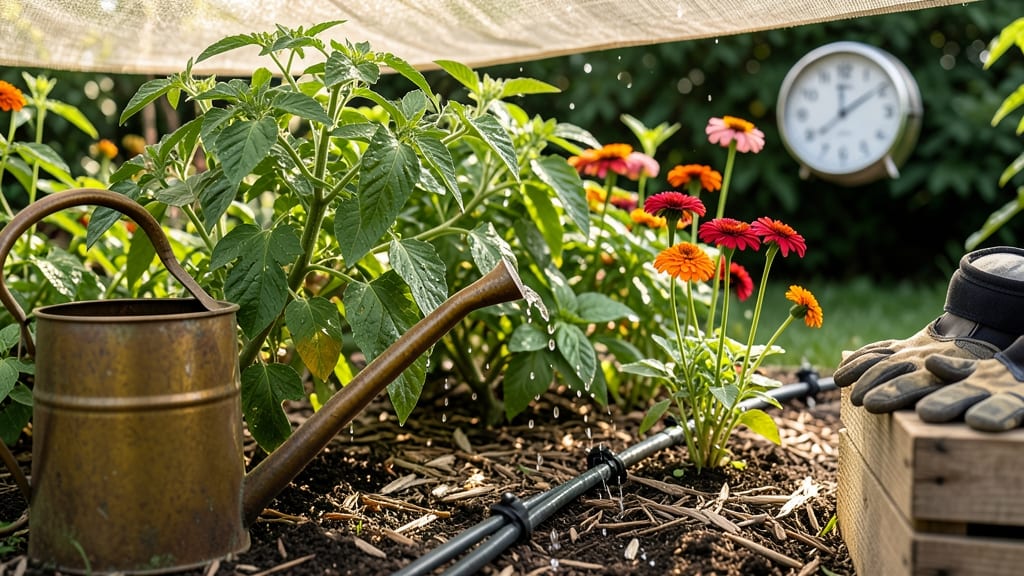
Watering your garden in summer at the right time can mean the difference between lush, thriving 🌱 plants and wilting disappointment — and science shows morning is almost always the winner.
Summer heat can turn your thriving garden into a crispy disaster if you water at the wrong time—yet most gardeners still guess instead of following science-backed schedules. The truth? A few simple adjustments can save you hundreds of gallons of water while keeping your plants happy and healthy.
In this guide, I’ll break down the best times to water (morning vs. evening), how to tell when your garden truly needs a drink, and the top hacks to cut water waste by nearly half—without sacrificing a single leaf.
Whether you’re battling drought or just trying to keep your tomatoes from turning into raisins, you’ll learn exactly when to reach for the hose and when to let the soil dry out a little longer.


Best times to water your garden in summer: morning vs. evening science explained
Summer heat can turn your garden into a battleground between thirsty plants and evaporating water—yet the best time to water isn't just about timing, it's about science-backed efficiency. Most gardeners assume evening watering keeps roots cool, but research shows morning wins for plant health, water conservation, and fungal prevention.
Let's break down why your 6 AM vs. 6 PM schedule matters more than you think.
Evaporation rates soar after 10 AM, with up to 30% more water lost by midday. Meanwhile, evening watering creates a moisture trap that fuels fungal diseases like powdery mildew.
The ideal 2-hour window for summer watering? Between 4 AM and 6 AM—when temperatures are coolest, winds are calmest, and plants absorb moisture most efficiently before the sun rises.
Your tomatoes and peppers need deep watering to develop strong roots, but evening watering can drown them by keeping soil saturated overnight. Studies show morning watering increases yield by 20% in heat-loving crops because roots stay active longer.
For container gardens, the rule changes slightly—water in the late afternoon (4-5 PM) to prevent soil from drying too quickly in pots.
Humidity plays a sneaky role in summer watering. In high-humidity zones (like Florida or the Pacific Northwest), evening watering might be tolerable because air doesn't dry leaves as fast. But in arid climates (Arizona, California), morning watering saves up to 40% more water by reducing midday evaporation.
Always check your local evaporation rates—most extension offices provide free data for your region.
Pro tip: If you must water in the evening, use a soaker hose or drip irrigation to deliver water directly to roots instead of spraying foliage. This cuts fungal risk by 70% while still keeping soil moist overnight.
Pair this with mulch (2-3 inches of straw or wood chips) to lock in moisture and reduce evaporation by 50%.
Ever notice your zucchini leaves wilting by noon? That's a sign you're not watering deeply enough. The 1-inch rule applies year-round: water until soil is 6 inches deep (use a screwdriver to check).
In summer, this might mean 2-3 watering sessions per week instead of daily sprinkles. Overwatering is just as deadly as underwatering—root rot claims more summer plants than drought.
For shade-loving plants (like hostas or ferns), evening watering can work because they don't need as much sunlight to dry off. But even then, morning watering gives them a head start.
Test your garden's needs: water two identical pots—one in the morning, one at night—and compare growth after 4 weeks. The morning pot will almost always show healthier foliage and fewer yellow leaves.
Don't forget about rainfall timing. If a storm hits after 6 PM, hold off on watering until the next morning. Wet leaves + nighttime = perfect fungal conditions.
And if you're using a smart irrigation controller, program it for 5 AM to avoid both evaporation and fungal risks entirely. The $50 investment pays for itself in water savings alone.
Final verdict: Morning watering wins for 90% of summer gardens, but adapt based on your plant types, climate, and soil drainage. Start with the 4-6 AM window, adjust for humidity, and always water deeply. Your plants—and your water bill—will thank you.
How to tell when your garden needs water: 5 signs (not just the soil)
Sticking your finger in the soil is the classic move, but it’s not always the most reliable way to tell if your garden needs water—especially in summer when heat stress and evaporation play tricks on you.
Many plants show visible distress long before the soil feels dry, and ignoring these signs can lead to root damage or even plant death.
Instead of guessing, I’ve learned to watch for five key indicators that my garden is thirsty. These signs go beyond the soil and include leaf behavior, plant weight, and even technological tools that take the guesswork out of watering.
Let’s dive into what your plants are really telling you.
- 🌿 1. Leaf Wilting – Drooping or soft leaves by midday mean roots aren’t getting enough moisture. Check for morning wilting, which is a red flag.
- 🌞 2. Color Changes – Grayish or bluish leaves (especially in succulents) or yellowing edges signal thirst. Darker foliage often means overwatering, not underwatering.
- ⚖️ 3. Lightweight Pots – Lift a container plant; if it feels unusually light, the soil is dry. Compare to a well-watered pot for reference.
- 📊 4. Soil Cracks – Deep cracks in the soil surface (over ½ inch wide) mean the roots have shrunk from dryness. Break the soil gently to check moisture.
- 🔧 5. Tech Tools Alert – A soil moisture sensor (like the AcuRite or Blossom) beeps or flashes when soil dries to your set threshold.
One of my biggest mistakes was ignoring leaf wilting until it was too late. I thought my tomato plants were just lazy, but they were actually screaming for water.
Now, I check for morning wilting—a sure sign of root stress—and water immediately. This simple habit saved my harvest last summer.
For container gardens, the weight test is a game-changer. I keep a well-watered pot nearby and compare weights daily. If my herb pots feel lighter than usual, I know it’s time to water—no finger-testing required.
This method works especially well for succulents and herbs, which store water differently than veggies.
If you’re tech-savvy, soil moisture sensors are worth the investment. They eliminate overwatering and underwatering by giving you real-time data. I use one in my vegetable beds, and it’s cut my water usage by 30% while keeping my plants thriving.
For non-tech solutions, a wooden skewer works too—stick it in the soil and pull it out. If it comes out clean, water is needed.
Remember, overwatering is just as harmful as underwatering. Look for mushy stems, yellow leaves, or fungal spots—these are signs you’ve gone too far. The key is consistency and observation. Your garden will thank you with healthier roots and bigger yields all season long. 🌱