
Planting
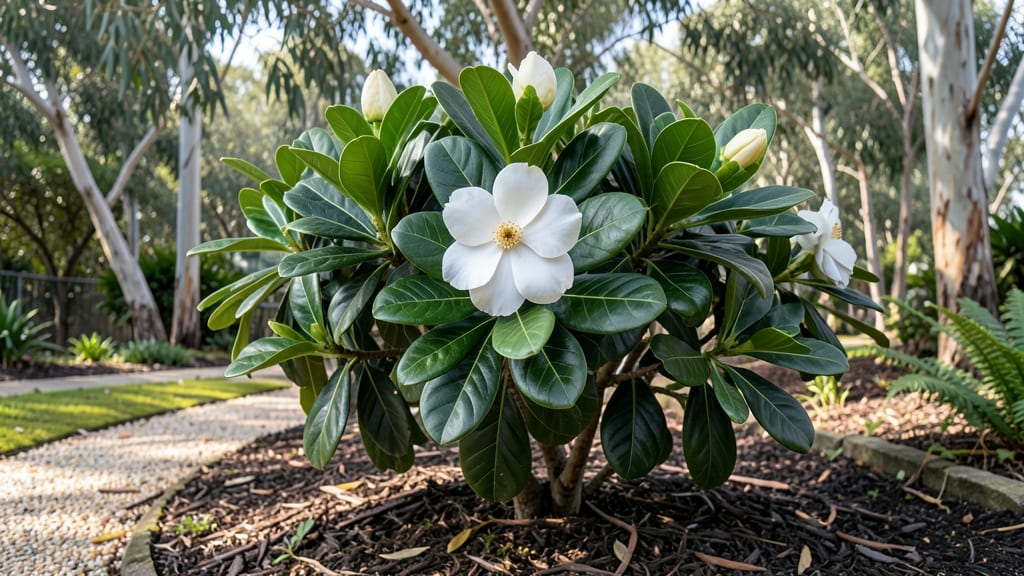
Your gardenia plant size will vary dramatically depending on the variety you choose, from compact 1-foot shrubs to towering 6-foot specimens that need serious space.
If you’ve ever dreamed of adding fragrant, glossy-leaved gardenias to your garden but wondered how much space they’ll need, you’re not alone—these tropical beauties come in surprising sizes, from compact shrubs to towering specimens.
In General (USDA Zone 9b as default for tropical/subtropical climates), the most common variety, Gardenia jasminoides, typically matures between 3 and 6 feet tall with a spread of 3 to 5 feet, making it a statement plant for borders or as a standalone focal point.
Below, I’ll break down the exact mature sizes for popular varieties, how pruning and sunlight affect growth, and the best spacing for containers or in-ground planting to keep your gardenia thriving without overcrowding.
Gardenia plant size by variety: height and spread guide
Choosing the right gardenia variety starts with understanding their mature sizes. Gardenia jasminoides, the most common type, typically reaches 3-6 feet tall with a 3-5 foot spread. But did you know some varieties stay as small as 1-2 feet?
The size you need depends on your space and design goals—whether you want a compact accent plant or a statement shrub for your garden’s backdrop.
If you’re working with limited space, dwarf varieties like 'Radicans' or 'Kleim's Hardy' are perfect for containers or small gardens. On the other hand, standard varieties like 'Veitchii' or 'Mystery' can grow up to 6 feet tall, making them ideal for hedges or privacy screens.
Knowing these differences helps you plan spacing and avoid overcrowding.
Here’s a quick comparison of popular gardenia varieties and their mature sizes to help you visualize their growth habits:
For container gardening, dwarf varieties like 'Radicans' thrive in 12-18 inch pots with proper drainage. Their trailing habit makes them perfect for hanging baskets or balcony planters.
Meanwhile, larger varieties like 'Veitchii' need at least 2-3 feet of space in the ground to avoid root competition and ensure healthy growth.
If you’re planting gardenias in the ground, space them 3-5 feet apart depending on the variety. For example, 'Mystery' needs 4 feet of clearance to prevent overcrowding, while 'Radicans' can be planted 2-3 feet apart in a mixed border.
Proper spacing improves airflow, reducing the risk of fungal diseases like powdery mildew.
Another factor influencing size is pruning habits. Regular pruning after flowering encourages bushier growth, especially in taller varieties. For instance, 'Veitchii' can be pruned back by 1/3 of its height in late winter to maintain a manageable size.
This technique also stimulates more blooms, making your gardenia even more rewarding.
For those in cooler climates (USDA Zones 8-9), consider 'Kleim's Hardy', a cold-hardy variety that tolerates temperatures down to 10°F. Its 2-3 foot height makes it ideal for small gardens or as a fragrant hedge.
Just remember, even hardy varieties need protection from late spring frosts, which can damage new growth.
When selecting a gardenia, think about its mature size in relation to your garden’s layout. A 6-foot-tall variety like 'Fortuniana' will dominate a space, while a 2-foot dwarf stays subtle. Mixing sizes—like pairing 'Radicans' with 'Mystery'—creates visual interest and layers in your landscape design.
Finally, don’t forget that gardenias grow slowly in their
How to control gardenia size: pruning and care tips for compact growth
Managing your gardenia plant size starts with understanding its natural growth habits and how pruning techniques can shape it to fit your space. Gardenias grow best with regular pruning to maintain compact growth, especially if you’re working with standard varieties that can reach 6 feet tall.
The key is to prune at the right time and with the right method to encourage bushier growth without sacrificing those fragrant blooms you love.
For container gardening, size control is even more critical—overcrowding roots leads to stunted growth and fewer flowers. I’ve found that dwarf varieties, like 'Kleim’s Hardy,' stay under 2 feet tall, making them perfect for patios or small gardens.
Meanwhile, standard gardenias need more elbow room, so spacing and pruning become essential for keeping them manageable.
Here’s a step-by-step guide to pruning and caring for your gardenia to keep it at your desired size while ensuring healthy, abundant blooms:
- 1 Choose the Right Time: Prune right after flowering (late summer to early fall) to avoid cutting off next year’s blooms. This is when gardenias naturally slow their growth, making it the ideal time for size control.
- 2 Use the Right Tools: Always use sterilized pruners or shears to avoid spreading disease. Sharp tools make cleaner cuts, which heal faster and reduce the risk of fungal infections—a common issue with gardenias.
- 3 Prune for Shape: Cut back overgrown branches by one-third to encourage bushier growth. Focus on inner branches first to improve airflow and reduce humidity-related issues like powdery mildew.
- 4 Space for Variety: Plant dwarf varieties (1-2 ft) 18-24 inches apart, while standard gardenias (4-6 ft) need 4-6 feet of space between plants. In containers, choose pots at least 18 inches wide for dwarf types and 24+ inches for larger varieties.
- 5 Adjust Light for Growth: Too much direct sunlight can cause leggy growth, while partial shade (4-6 hours of morning sun) keeps plants compact. If your gardenia stretches toward the light, move it to a shadier spot or add a sheer curtain for filtered light.
After pruning, give your gardenia a light fertilizer (like a 10-10-10 blend) to support new growth. Avoid heavy feeding, as this can lead to excessive foliage at the expense of blooms.
Mulch around the base with acidic compost to maintain soil moisture and pH, which is critical for compact, healthy growth.
If you’re growing gardenias in containers, repot every 2-3 years to refresh the soil and prevent root-bound stress. Choose a pot with drainage holes and use a well-draining, acidic potting mix to mimic their natural tropical habitat.
With these tips, you’ll keep your gardenia at the perfect size while enjoying lush foliage and fragrant blooms all season.
🌿