
Tools
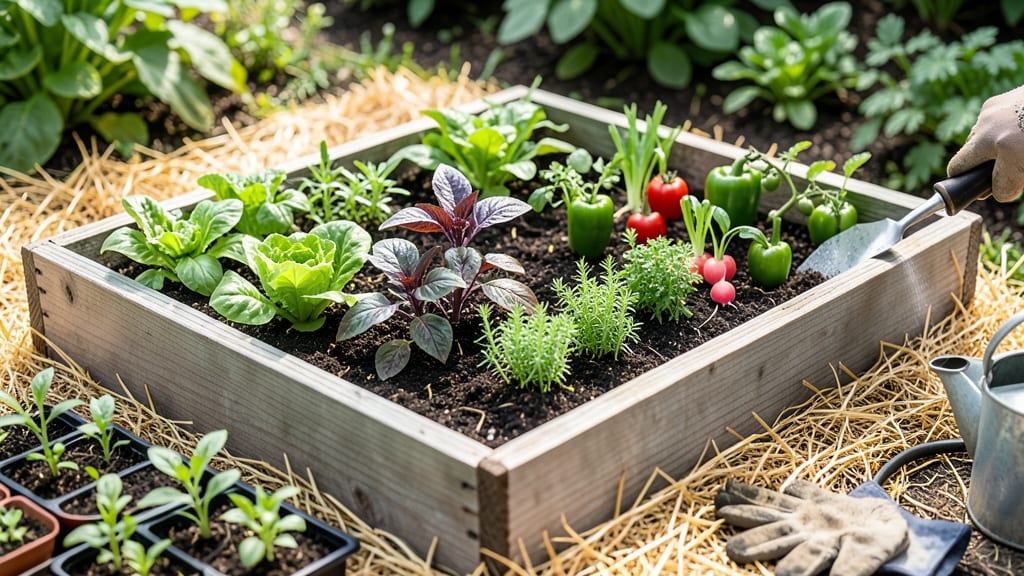
An 8x8 raised garden 🌱 transforms tight spaces into a high-yield vegetable powerhouse—no sprawling rows required.
Picture this: your backyard or balcony packed with tomatoes, peppers, and herbs all within a 64-square-foot footprint. That’s the magic of smart spacing and companion planting, turning a small plot into a year-round harvest hub.
Whether you’re a city dweller with a tiny yard or a homesteader looking to maximize efficiency, this layout lets you grow more without the mess of traditional in-ground beds. No tilling, no weeds choking your rows—just clean, customizable layers of soil and crops.
Below, I’ll break down the best layouts for your space, the top vegetables to prioritize, and how to avoid the most common mistakes that waste potential. Ready to grow like a pro?
Optimal 8x8 raised garden layouts for maximum vegetable yield
An 8x8 raised garden gives you 64 square feet of prime growing space—perfect for maximizing yields in small areas. By applying square-foot gardening principles, you can strategically place plants based on their size, sunlight needs, and companion relationships to create a high-density, productive layout.
The key is balancing fast-growing crops with long-season varieties while ensuring each plant has enough room to thrive without competing for resources.
I’ve designed layouts that prioritize vertical growth, seasonal rotation, and companion planting to keep pests at bay and nutrients cycling efficiently. Whether you’re growing for fresh salads, canning, or just enjoying homegrown veggies, these layouts will help you harvest more in less space while minimizing waste.
Let’s dive into the specifics of how to organize your 8x8 raised bed for peak productivity.
Plant Category
Spacing (per sqft)
Sunlight Needs
Companion Plants
Seasonal Notes
Leafy Greens
16 plants/sqft
Partial to Full Sun
Basil, carrots, radishes
Spring/Fall (cool weather)
Root Vegetables
9 plants/sqft
Full Sun
Onions, lettuce, beans
Spring/Summer (deep soil)
Vining Plants
1 plant/4 sqft (trellis)
Full Sun
Cucumbers, peas, pole beans
Summer (vertical support)
Tomatoes/Peppers
1 plant/2 sqft (cage)
Full Sun
Basil, marigolds, onions
Summer (stake early)
Herbs
9 plants/sqft
Full Sun to Partial
Tomatoes, lettuce, carrots
Year-round (perennial)
One of my favorite layouts for an 8x8 raised garden divides the space into four 4x4 sections, each dedicated to a different height category: tall plants (like tomatoes or trellised cucumbers) in the north corner, medium plants (peppers, bush beans) in the center, and short plants (lettuce, radishes) along the south edge.
This arrangement ensures maximum sunlight exposure for all plants while making maintenance easier. For example, I place pole beans along the north side of the bed to climb a trellis, freeing up ground space for low-growing herbs like thyme or oregano.
To further boost yields, I incorporate companion planting strategies. For instance, basil planted near tomatoes improves flavor and deters pests, while carrots and onions grow well together because their scent confuses carrot flies.
In my 8x8 layout, I dedicate one 4x4 section to a polyculture mix of these companions, ensuring natural pest control and efficient space use. This approach reduces the need for chemical interventions and creates a more resilient garden ecosystem.
Seasonal rotation is another critical aspect of maximizing your 8x8 raised garden. I divide the year into three planting phases: early spring (cool-season crops like spinach and peas), summer (heat-loving tomatoes and peppers), and late summer/fall (fast-growing greens and radishes).
By rotating crops annually, you prevent soil depletion and reduce disease buildup. For example, after harvesting tomatoes in summer, I’ll plant kale or garlic in the same spot in fall, which thrive in cooler temperatures and don’t compete for the same nutrients.
For vertical gardening, I use trellises or cage supports to train vining plants like cucumbers, squash, and pole beans upward. This not only saves space but also improves air circulation, reducing the risk of fungal diseases.
In my 8x8 bed, I dedicate one 2x4 section to vertical crops, allowing me to fit 4-6 plants that would otherwise sprawl across the entire bed. Pairing these with low-growing crops like strawberries or lettuce underneath creates a multi-level harvest system.
An 8x8 raised garden is a game-changer for small-space growers, but choosing the right vegetables makes all the difference. I focus on fast-maturing crops for early harvests and vertical growers to maximize every inch of space. The key? Pairing short-season veggies with tall climbers to create a balanced, high-yield layout. Start with leafy greens and radishes—they mature in just 30-45 days and thrive in cooler weather. Then layer in bush beans and zucchini for mid-season bounty, followed by pole beans and cucumbers to train upward. This vertical strategy frees up ground space for root vegetables like carrots and beets. For spring planting, prioritize cool-season crops like lettuce and peas. They’ll give you an early harvest before summer heat sets in. In summer, swap them for heat-loving veggies like okra, sweet potatoes, and black-eyed peas. I always keep a succession planting schedule to avoid gaps in production. Spacing is critical in an 8x8 raised bed. For example, plant radishes every 2 inches and bush beans 6 inches apart. Use trellises or cages for tomatoes and cucumbers to save floor space. I’ve found that interplanting fast growers like radishes between slower crops (like carrots) helps maximize every square foot. Don’t forget about companion planting! Pair basil with tomatoes to improve flavor and deter pests, or grow marigolds alongside vegetables to repel nematodes. These small tweaks can double your yield without adding extra work. With the right mix, your 8x8 raised garden will produce enough for fresh eating—and maybe even sharing with neighbors! Pro tip: Keep a planting calendar to track maturity dates and rotate crops yearly. This prevents soil depletion and reduces pest buildup. Happy growing!Best vegetables to grow in an 8x8 raised garden (by height & season)
🌱 Top Picks for Your 8x8 Raised Garden