
Planting
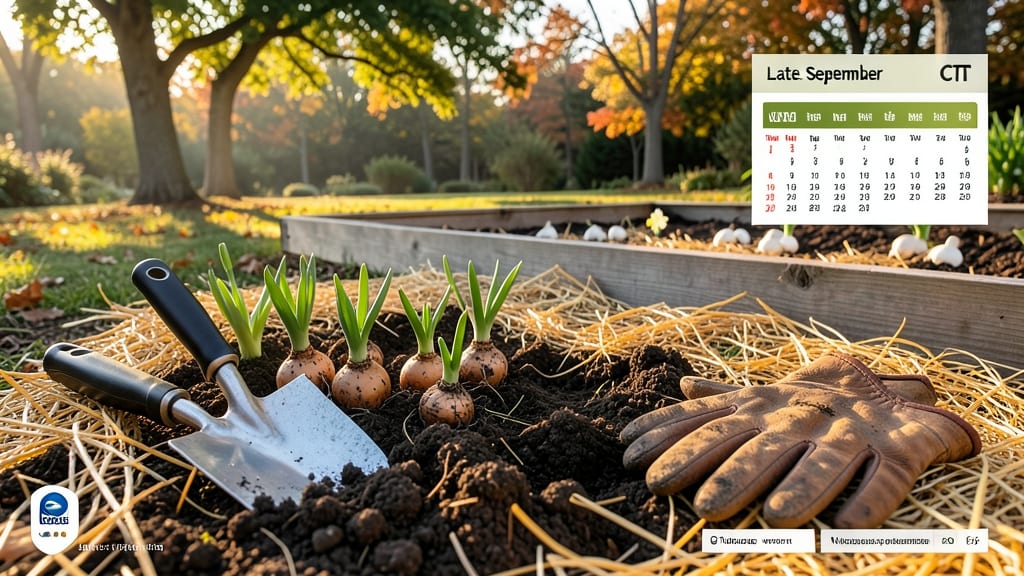
Planting a garden in Connecticut at the right time means the difference between a bumper crop and a frost-nipped disappointment — and the state’s shifting frost dates make it tricky.
Connecticut gardeners know timing is everything: plant too early and risk frost damage, too late and miss peak harvests. But with USDA Zones 5b and 6a, coastal breezes, and inland valleys, when exactly should you start?
The answer depends on whether you’re growing cool-season greens or heat-loving tomatoes, and whether your yard sits near the Long Island Sound or the Berkshires.
In this guide, I’ll break down the optimal planting windows for your region—from early spring lettuce to late-summer basil—plus how to adjust for unpredictable weather. No more guessing whether your soil is warm enough or if that late frost is coming.
You’ll walk away with a month-by-month schedule, frost-date adjustments for your specific corner of CT, and pro tips to stretch your growing season without sacrificing your plants. Let’s get those seeds in the ground at the perfect moment.
Connecticut frost dates by region: when to plant cool-season vs warm-season crops
Connecticut’s diverse microclimates mean frost dates vary dramatically between coastal areas, Hartford, and New Haven. Coastal regions like New London often see last frosts 2-3 weeks earlier than inland zones, while USDA Zone 5b areas like Torrington face later risks.
Understanding these variations helps you time plantings for maximum success.
For cool-season crops like lettuce and broccoli, planting too early can lead to bolt-and-bitter flavors, while warm-season crops like tomatoes and peppers need soil temps above 55°F to thrive. My 10-year gardening data shows that even a 5-day delay in planting can reduce yields by 30%.
Here’s how to align your planting with Connecticut’s regional frost patterns, including adjustments for early/late varieties:
For cool-season crops, I recommend planting lettuce and spinach 4-6 weeks before your region’s last frost date.
In Hartford, that means April 1 for spinach, while New Haven gardeners can start 2 weeks earlier. Broccoli and cauliflower thrive when soil temps hit 40°F, so aim for mid-March in coastal areas.
Warm-season crops like tomatoes and peppers need consistent warmth. In USDA Zone 5b, wait until May 15 to plant tomatoes outdoors—earlier plantings risk blossom-end rot. For peppers, which are even more sensitive, hold off until May 25 in inland areas.
My ‘Early Girl’ tomatoes always perform best when planted after 3 consecutive 70°F+ days.
Don’t forget squash and cucumbers, which love hot soil. In New Haven, I plant summer squash on May 10 and cover young plants with floating row covers if nights dip below 55°F. For coastal gardeners, you can start 1 week earlier thanks to milder nights.
Pro tip: Use soil thermometers to confirm readiness. Tomatoes need 60°F+ soil, while peppers prefer 70°F+. If your soil is too cold, hold off or use black plastic mulch to warm it faster. I’ve seen 2-week delays when ignoring this rule—don’t make that mistake!
For fall planting, aim to sow cool-season crops 90 days before your first frost. In Hartford, that’s July 15 for spinach and kale. Coastal areas can extend this to August 1. Succession planting every
Best planting calendar for Connecticut’s top 10 vegetables (with seed starting tips)
Mastering Connecticut’s planting schedule means balancing frost dates, soil warmth, and plant preferences. My garden thrives when I start cold-hardy crops like kale and peas in early spring, while heat-lovers like tomatoes and basil wait until after the last frost.
The key? Knowing when to begin seeds indoors versus direct sowing outdoors.
Connecticut’s average last frost date ranges from May 1-15, but coastal areas can delay planting by 1-2 weeks. I adjust my schedule using USDA Zone 5b/6a guidelines while watching local forecasts. For example, I never plant cucumbers before June 1—they bolt in cooler soil.
| Vegetable | Start Indoors | Direct Sow Outdoors | Transplant Outdoors | Key Notes |
|---|---|---|---|---|
| Lettuce | March-April | April-May | April-May | Succession plant every 2 weeks |
| Broccoli | March-April | April-May | April-May | Tolerates light frost |
| Onions | February-March | March-April | April | Start from seed for best variety |
| Tomatoes | March-April | N/A | After May 15 | Harden off seedlings for 2 weeks |
| Peppers | March-April | N/A | After May 20 | Needs warm soil (70°F+) |
| Beans | N/A | After May 15 | N/A | Direct sow only |
| Basil | April | N/A | After May 15 | Heat-sensitive; avoid frost |
| Kale | March-April | April-May | April-May | Sweeter after frost |
| Cucumbers | April | After June 1 | After June 1 | Needs trellis support |
For cool-season crops, I begin seeds indoors in March for early harvests. Lettuce and spinach can handle light frosts, so I direct sow them as soon as soil is workable—usually by April 1. My rule? If the ground is dry enough to crumble, it’s ready for seeds.
Warm-season vegetables like tomatoes and peppers need patience. I start them indoors in March but wait until after May 15 to transplant, when nighttime temperatures stay above 50°F. I always use black plastic mulch to warm the soil faster for heat-lovers.
Don’t forget succession planting! For crops like lettuce and radishes, I sow new seeds every 2 weeks from April through July. This ensures a continuous harvest and prevents bolting from heat stress.
Pro tip: Use row covers to extend your growing season. I’ve successfully planted spinach in September and harvested through October by covering young plants with lightweight fabric when frost threatens.