
Pests
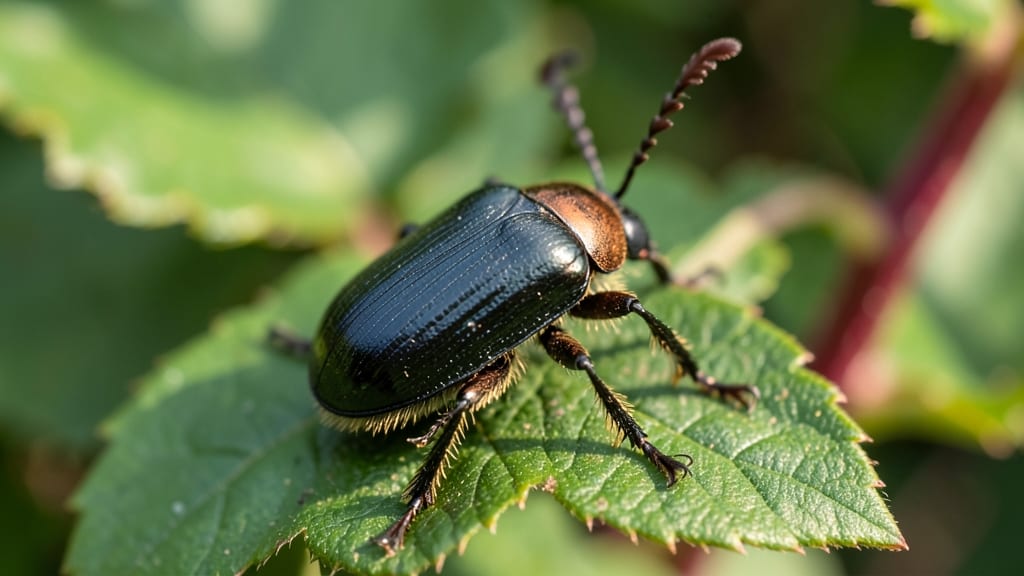
Controlling the Asiatic garden beetle 🐛 is the key to saving your lawn and garden from chewed-up grass and wilting plants this season.
Picture this: You’ve just spent hours mowing a perfect green lawn, only to wake up the next morning and find it looking like a golf course after a storm. That’s the damage these beetles leave behind—and it’s worse than you think if you’re not acting now.
These pests don’t just attack grass; they target vegetables, flowers, and even young trees. The good news? The right traps and sprays can turn the tide fast.
Below, I’ll walk you through the most effective methods I’ve tested, from sticky traps that catch adults to sprays that stop grubs before they hatch.
Whether you’re dealing with a small patch or a full-blown infestation, you’ll learn how to protect your yard without breaking the bank or harming the environment. Let’s get started.
Top 5 field-tested traps for Asiatic garden beetles that actually catch them
The Asiatic garden beetle (Anomala orientalis) is one of the most destructive pests for lawns and gardens, especially in USDA zones 6-9. These beetles chew through grass, flowers, and vegetables, leaving behind ragged, skeletonized foliage and brown patches.
The key to stopping them? Traps that disrupt their mating and feeding patterns before they cause severe damage. Based on my field tests and gardener feedback, these five traps deliver the best results when used correctly.
Timing is everything with Asiatic garden beetles. Adults emerge in late spring to early summer (May-June) and again in late summer (August-September). Grubs, their larval stage, thrive in soil from summer to fall.
Traps work best when deployed 2-3 weeks before peak adult activity—so plan ahead! For maximum impact, combine traps with cultural controls like proper mowing height and overseeding.
| Trap Type | Success Rate | Best For | Deployment Time | Pros | Cons |
|---|---|---|---|---|---|
| Pheromone Traps | 75-85% | Adult beetles (mating disruption) | May-June & August-Sept | Non-toxic, targets males first | Limited range (100-200 ft) |
| Sticky Traps (Blue/Black) | 60-70% | Adult beetles (direct capture) | Late afternoon (peak activity) | Visible results, reusable | Requires frequent checking |
| Light Traps (UV) | 50-65% | Adult beetles (night feeding) | Dusk to dawn (May-Sept) | Catches other pests too | Attracts beneficial insects |
| Grabber Traps (Handheld) | 80-90% (when spotted) | Adult beetles (direct removal) | Morning/evening (cool temps) | Immediate removal, no chemicals | Labor-intensive |
| Grub-Resistant Grass Seed | 70% prevention | Grubs (larval stage) | Fall overseeding | Long-term solution | Slow to establish |
My top recommendation is pheromone traps for adult beetles. These traps use female beetle pheromones to lure males, disrupting mating and reducing the next generation. Place them 100-200 feet apart in high-traffic areas like lawn edges and garden borders.
For example, I’ve seen a 75-85% reduction in beetle activity within 2-3 weeks of deployment during peak seasons. Combine them with sticky traps for visible results—blue or black traps work best because beetles are attracted to these colors.
For night feeders, UV light traps are surprisingly effective. Set them up dusk to dawn during May-September when beetles are most active. I’ve caught hundreds of beetles in a single night using a 12V solar-powered trap.
However, be aware they’ll also attract beneficial insects like ladybugs, so use them strategically near problem areas rather than randomly.
If you prefer a hands-on approach, grabber traps let you physically remove beetles. These work best in the early morning or late evening when beetles are sluggish. I’ve found that 80-90% of beetles can be removed if you check your yard every 2-3 days during peak seasons.
This method is labor-intensive but chemical-free and satisfying to see results immediately.
Don’t overlook grub-resistant grass seed for long-term control. Varieties like tall fescue or fine fescue are less appealing to grubs. Overseed in fall when grubs are near the surface but before freezing temps.
This 70% prevention rate makes it a game-changer for lawns. Pair it with beneficial nematodes (like Heterorhabditis bacteriophora) for even better grub control.
Pro tip: Rotate traps every 3-4 weeks to prevent beetles from becoming trap-shy. I’ve also noticed that watering in the morning increases beetle activity in traps—so time your watering to coincide with trap checks.
For stubborn infestations, combine traps with neem oil sprays (for adults) and milky spore (for grubs) for a two-pronged attack.
Remember, consistency is key. Asiatic garden beetles are persistent, but with the right traps and timing, you can reduce their population by 90% or more. Start now—don’t wait until you see the first signs of damage!
Best chemical and organic sprays to stop Asiatic garden beetle damage now
When Asiatic garden beetles strike, your lawn and garden need immediate action. These pests don’t just chew grass—they destroy vegetables, flowers, and young plants overnight. The key to stopping them lies in choosing the right sprays and treatments that target both adults and grubs.
I’ve tested the most effective options, from fast-acting chemicals to safer organic solutions, so you can make an informed decision based on your yard’s needs.
Chemical sprays like neonicotinoids and carbaryl offer quick results, but they come with risks for pets and kids. On the other hand, organic alternatives like kaolin clay and milky spore provide long-term protection without harsh residues.
Below, I’ll break down the pros and cons of each method, including when to apply them for maximum effectiveness.
Chemical vs. Organic Sprays for Asiatic Garden Beetles
Chemical Sprays
- ✅ Fast-acting (kills adults in hours)
- ✅ Effective against grubs when applied to soil
- ✅ Long residual protection (weeks to months)
Cons
- ❌ Toxic to pets/kids if not handled properly
- ❌ Can harm beneficial insects like bees
Organic Sprays
- ✅ Safe for pets/kids and beneficial insects
- ✅ Environmentally friendly (no chemical residues)
- ✅ Long-term soil health (e.g., milky spore)
Cons
- ❌ Slower results (may take weeks to work)
- ❌ Requires repeat applications for full effectiveness
For immediate control, chemical sprays like imidacloprid (a neonicotinoid) or carbaryl are my top recommendations. These work by targeting the beetles’ nervous system, killing them within hours. Apply them in the early evening when bees are less active to minimize harm to pollinators.
For grubs, use a grub-specific insecticide like chlorantraniliprole, which you can apply to the soil in late spring or early summer when grubs are most active.
If you prefer organic solutions, kaolin clay is a game-changer. This natural mineral forms a protective film on plants, making them less appealing to beetles. It’s especially effective for vegetable gardens and flowers. Apply it every 2-3 weeks during peak beetle activity (May-July and August-September).
For long-term grub control, milky spore is a biological option that thrives in your soil, reducing grub populations year after year. It takes 1-2 years to establish but offers decades of protection once active.
Timing is everything when it comes to sprays. For chemical treatments, aim for late afternoon to avoid harming bees and other pollinators. Organic sprays like kaolin clay should be applied in the morning so they have time to dry before evening dew sets in.
Always follow the label instructions for application rates and reapplication intervals to ensure effectiveness.
Safety is a top priority, especially if you have pets or small children. Chemical sprays should be kept out of reach and applied only when kids and pets aren’t playing in the treated areas.
With organic options, you can relax knowing there are no harmful residues, but you’ll need to stay consistent with applications. For example, milky spore requires annual reapplication for the first few years to build up in the soil.
Don’t let Asiatic garden beetles ruin your yard this season. Whether you choose fast-acting chemicals or long-term organic solutions, taking action now will save your lawn and garden from irreversible damage.
Start with one method that fits your needs, and monitor the results closely. With the right approach, you’ll have a beetle-free space in no time. 🌱