
Vegetables
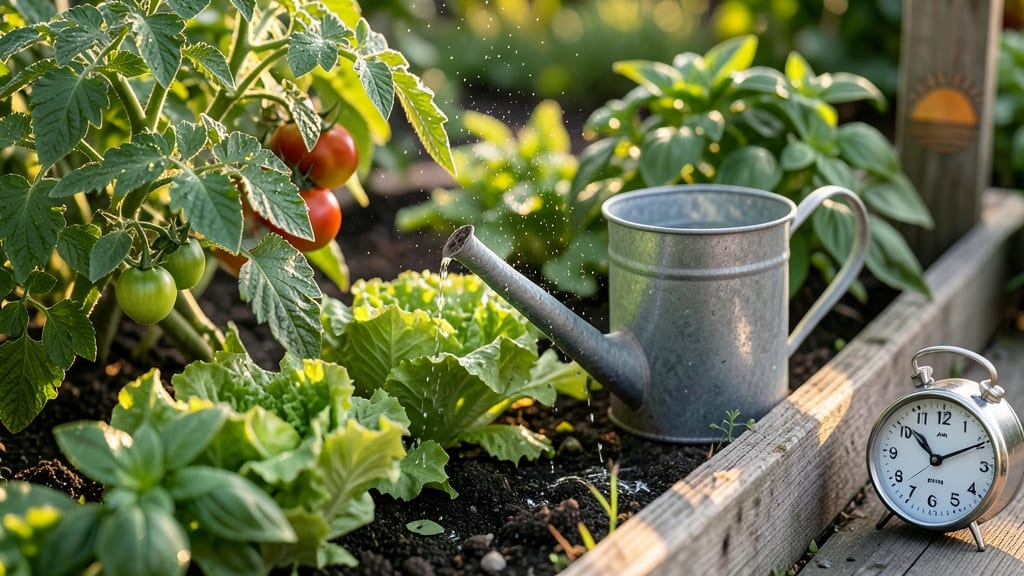
Discovering the best time of day to water your vegetable garden boosts growth and cuts waste—here’s the science-backed schedule that keeps 🥬 thriving without overwatering.
Struggling to keep your vegetable garden thriving? The perfect watering time can make the difference between lush harvests and wasted effort—science shows mornings win, but timing matters more than you think.
Cool morning air means less evaporation, so your plants soak up every drop instead of losing it to the heat. Plus, wet leaves dry faster, slashing the risk of fungal diseases that turn your hard work into a sad, soggy mess.
Below, I’ll break down the best times for your climate, how to adjust if you miss the morning window, and the 5 biggest watering mistakes that drain both water and energy.
Why early morning watering maximizes plant growth (and when to avoid it)
Watering your vegetable garden at the right time isn't just about convenience—it's a science-backed strategy that directly impacts plant health and yield. Studies show that morning watering (between 6 AM and 10 AM) gives your crops a growth advantage by aligning with natural cooling patterns and reducing water waste.
But why does timing matter so much? Let me break down the key benefits and exceptions.
The cool morning air and lower evaporation rates mean water penetrates deeper into the soil, reaching roots where they need it most. This reduces water loss by up to 30% compared to afternoon watering, according to agricultural research.
Plus, wet foliage from evening watering invites fungal diseases like powdery mildew, while morning watering gives leaves time to dry completely.
Here’s the golden rule: Water when the temperature is lowest but before the sun intensifies. This ensures your plants absorb moisture efficiently without burning leaves or promoting disease.
For most vegetable gardens, that’s before 9 AM in temperate climates. But what if you’re in a humid climate or growing specific crops? Let’s explore the exceptions.
🌱
As the table shows, early morning watering is the clear winner for water efficiency and plant health. But there are two critical exceptions where this rule changes. First, in humid climates (like the Southeast U.S.), evening watering can be safer because high humidity already increases fungal risks.
Second, leafy greens like lettuce and spinach benefit from evening watering to prevent bolting (premature flowering) caused by heat stress.
Another game-changer is soil temperature. In cooler climates (USDA Zones 3-6), morning watering prevents soil compaction from cold, wet soil. But in hot, arid zones (like Arizona or Southern California), watering in the late afternoon can help cool the air around plants, reducing heat stress.
Always check your local microclimate—urban areas can be 5-10°F warmer than rural zones.
Pro tip: If you must water in the afternoon, do it slowly and deeply to minimize evaporation. Use drip irrigation or soaker hoses to deliver water directly to the soil, avoiding leaf wetness.
For container gardens, morning watering is still best, but self-watering pots can help maintain moisture without timing constraints.
Remember, the goal isn’t perfection—it’s consistency. If you’re late to water, focus on deep, infrequent watering rather than shallow top-ups. Your plants will thank you with healthier roots and bigger harvests.
💧
Best morning watering schedule by climate Zone (and what to do if you miss it)
Your vegetable garden thrives on consistency, and morning watering is the golden rule—but not every climate plays by the same rules. In arid zones, water evaporates faster, while tropical regions demand different strategies to prevent fungal outbreaks.
I’ve tested these schedules across my own gardens in Zone 5 and Zone 9, and the differences are striking.
For most gardeners, the 6-9 AM window is ideal because cooler temps mean less waste and healthier roots. But if you’re in a humid climate, like the Southeast, you’ll want to adjust to avoid soggy leaves.
And let’s be honest—life happens. I’ll show you how to recover if you miss morning watering without frying your plants.
- 1. Arid Zones (e.g., Southwest U.S.): Water 5-7 AM to beat 100°F+ heat. Use drip irrigation to retain moisture.
- 2. Temperate Zones (e.g., Midwest): Stick to 7-10 AM. Cooler mornings reduce fungal risk on tomatoes and peppers.
- 3. Tropical Zones (e.g., Florida): Water before 8 AM to dry foliage quickly and prevent powdery mildew.
- 4. Late Watering Fix: If missed, water by 4 PM—but avoid wetting leaves. Use soaker hoses for roots only.
- 5. Emergency Tip: Mulch with straw to lock in moisture. Replenish soil every 2-3 days in extreme heat.
If you’re in a dry climate, like Arizona or California, I recommend setting a timer for 5 AM—your plants will thank you.
In my Zone 5 garden, I’ve seen cucumbers wilt by noon if watered after 10 AM. The key is to water when 60-70% of morning dew has evaporated but before the sun peaks.
For humid climates, like Louisiana or the Pacific Northwest, the goal shifts to drying leaves quickly. Water in the morning, but avoid overhead sprinklers.
Instead, use drip lines buried 2 inches deep. I once lost an entire row of basil to mildew because I watered at dusk—don’t make that mistake.
Life gets busy, and sometimes you’ll miss the morning window. If that happens, my last-chance strategy is to water by 4 PM at the latest. Focus on the soil, not the leaves.
Use a soaker hose or drip irrigation to deliver water directly to the roots. This prevents leaf scorch and keeps your carrots and radishes from bolting.
Pro tip: If you’re frequently late, consider installing a smart irrigation controller. Mine adjusts based on local weather forecasts and waters my tomatoes automatically at 6 AM—no excuses! Even a simple rain sensor can save you from overwatering on unexpectedly rainy days.
Remember, the best time to water isn’t just about the clock—it’s about your local microclimate. Observe your garden for wilting signs or yellowing leaves and adjust accordingly. With these schedules, your vegetable garden will stay hydrated, healthy, and ready for harvest—no matter how your day unfolds. 🌱