
Planting
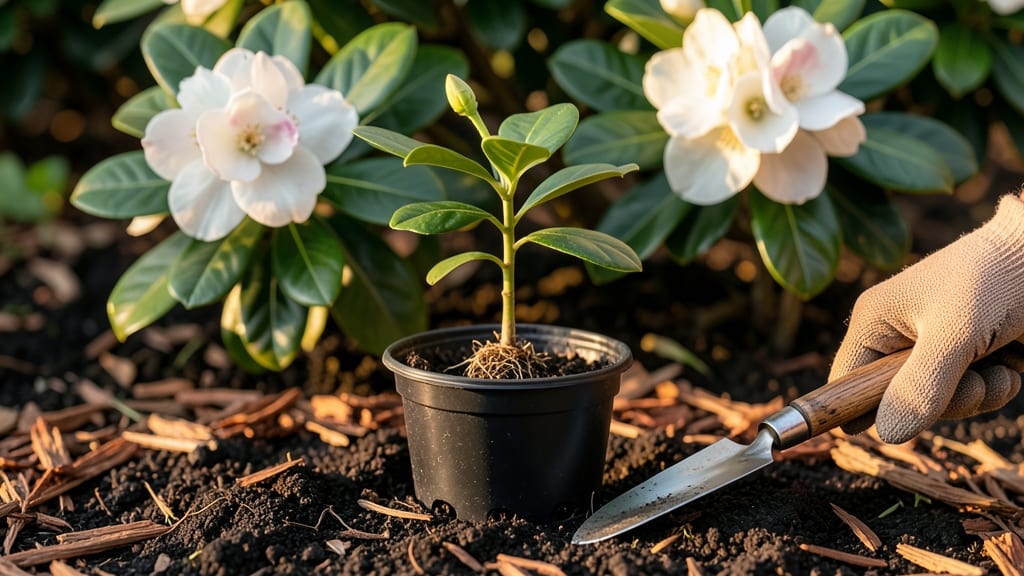
Planting gardenias at the best time in Southern heat zones ensures those fragrant 🌸 blooms thrive year after year.
Picture this: you’ve just bought a stunning gardenia, eager to see it flourish—but if you plant it too early, the roots can bake in the heat, and too late, it might not establish before winter chills set in. The key is timing that balances heat tolerance, humidity, and soil conditions.
In USDA Zones 7-10, the ideal window stretches from early spring to late summer, but the exact month depends on your microclimate. Too soon, and you risk transplant shock; too late, and your gardenia might struggle to root before the heat peaks.
Below, I’ll break down the perfect planting months for your region, soil prep secrets, and how to spot when your gardenia is happy (or stressed) after you put it in the ground.
Optimal planting months for gardenias in Southern heat zones
Gardenias thrive in Southern climates, but their heat tolerance and humidity needs mean timing is everything. In USDA zones 7-10, planting too early risks frost damage, while late planting stresses roots in extreme heat. The ideal window balances soil warmth and moisture—critical for root establishment.
Southern gardeners often debate early spring vs. late summer planting. My experience shows early spring (March-April) is safest for zones 7-8, while late summer (August-September) works in zones 9-10—just avoid peak summer heat. Humidity also plays a role; high humidity speeds root growth but demands vigilant fungal prevention.
Here’s how to match planting timing to your USDA zone and local climate:
Zone 7 gardeners should prioritize March planting when soil reaches 60°F. I’ve seen plants struggle when transplanted in April’s heat spikes—roots need time to establish before summer’s intensity. For zones 8-9, early spring is ideal, but late summer (August) works if you provide afternoon shade.
In zone 10, late summer planting (August-September) avoids peak heat. I’ve had success with container gardenias in urban areas like Miami, where soil stays too hot for root development in spring. The key is drip irrigation to maintain consistent moisture without wetting foliage.
Humidity affects root growth differently by zone. In zones 7-8, moderate humidity (50-70%) is ideal—too much can cause powdery mildew. Zones 9-10 thrive in high humidity but require fungicide treatments if leaves stay wet. I spray neem oil preventatively during rainy seasons.
For container gardenias, timing shifts slightly. Containers heat up faster, so I plant 1-2 weeks later than in-ground plants in zones 7-8. In zone 10, containers let you move plants to shade during heatwaves—a game-changer for urban gardeners. Always use well-draining mix with perlite.
Avoid planting when daytime temps exceed 90°F—even in zone 10. I’ve lost gardenias to transplant shock when planted in July’s heat. Instead, wait for late summer’s cooler evenings (aim for 80°F max). Monitor soil temperature with a soil thermometer—ideal range is 65-75°F.
Pro tip: Soak roots before transplanting to reduce shock. I use a 5-1-5 fertilizer (low nitrogen) 4 weeks after planting to encourage root growth without leafy overgrowth. Mulch with pine bark to maintain soil moisture and acidity.
🌸
Signs your gardenia planting timing is perfect (or terrible)
When your gardenia thrives after planting, you’ll notice vibrant new growth within weeks—not just survival, but thriving. The first clue is deep green leaves that stay firm to the touch, signaling roots have anchored.
Check the soil too: if it’s moist but not soggy, your timing was ideal. Gardenias planted at the right time also show minimal transplant shock, meaning no sudden leaf drop or yellowing.
Perfect timing also means your gardenia starts blooming by late spring, not struggling through summer. In USDA Zones 7-10, early spring (March-April) or late summer (August-September) are prime windows. The key is avoiding extreme heat (above 90°F) or frost risk, which can stunt root development.
Humidity matters too—plants in high-humidity zones (like Florida) handle summer planting better than drier areas.
🌱 Perfect Planting Timing Checklist
- ✅ Soil temp: 60–75°F (use a soil thermometer)
- ✅ Leaf health: Firm, glossy, no wilting
- ✅ Growth speed: New shoots in 2–3 weeks
- ✅ Bloom potential: Buds forming by summer
⚠️ Red Flags: Yellow leaves, stunted growth, or wilting = wrong timing!
Watch for transplant shock symptoms like yellowing leaves or drooping branches, which often mean you planted too early or in stressful conditions. If your gardenia’s leaves curl or fall off within days, the soil was too hot or the roots dried out too quickly.
Even worse? Stunted growth after months signals poor initial planting timing, likely due to compaction or poor drainage.
In drought-prone areas, gardenias planted in late summer may struggle if rains taper off. Always water deeply after planting to encourage root spread, and mulch to retain moisture.
If your gardenia wilts daily despite watering, it’s a sign you planted during a heatwave or in full sun without shade. Move it to partial shade immediately to recover.
For container gardenias, timing matters even more. Plant in early spring so roots establish before summer heat. If leaves turn brown at the edges, it’s often overwatering in hot pots—a classic sign of poor timing.
Always use well-draining soil and larger pots to prevent root rot. In humid climates, fungal issues like powdery mildew can appear if planted too late.
Remember: the best time to plant gardenias balances heat tolerance, humidity levels, and soil conditions. If your plant shows resilient growth and fragrant blooms by summer, you nailed it. But if it’s struggling by fall, reassess your timing—and consider container planting for better control.