
Watering
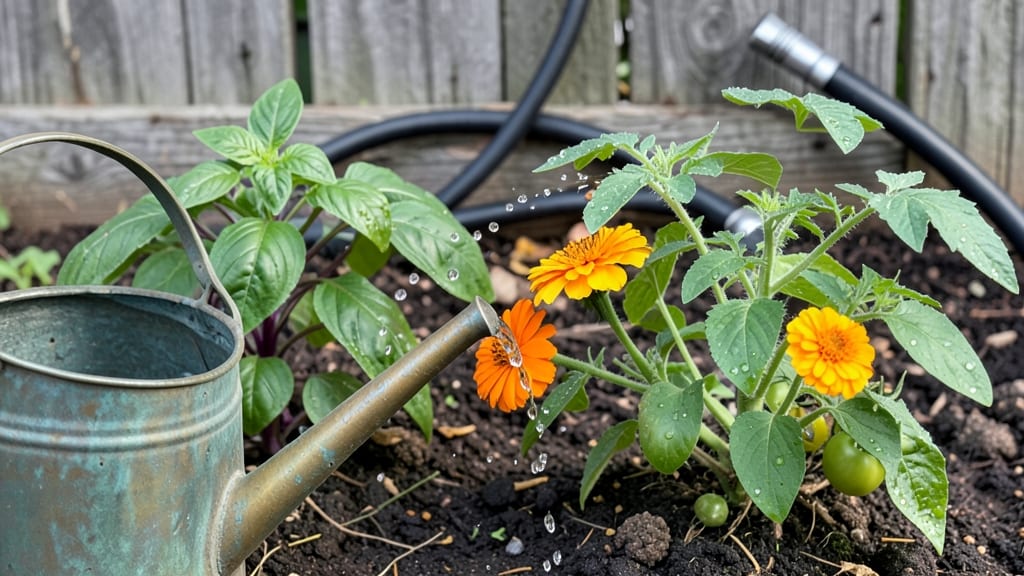
Watering garden plants at the right time is the secret to lush, healthy growth—and morning is when you’ll get the best results for your 🌱 efforts.
Struggling to keep your garden thriving? The perfect watering schedule isn’t about how much you water—it’s about when. Discover why morning watering could be the game-changer your plants (and your effort) deserve.
Most gardeners overlook how timing affects plant health. Watering in the morning lets roots absorb moisture before the heat of the day, while evening water can lead to fungal issues. For Zone 6a gardens, aim for 6–9 AM—just as the sun rises.
In this guide, I’ll break down the science behind morning watering, how to adjust for different plant types, and how to spot signs of over- or under-watering. By the end, you’ll have a routine that saves time, water, and stress.
Why morning watering boosts plant growth and reduces disease
If you’ve ever wondered why your tomatoes wilt midday or your roses develop mysterious spots, the answer might be as simple as your watering schedule. Morning watering isn’t just a gardening myth—it’s a science-backed strategy that keeps your plants thriving.
By watering early, you give roots the hydration they need to absorb nutrients efficiently while minimizing stress from heat and pests. Let’s break down why this routine works better than evening or midday watering.
Plants absorb water through their roots, but this process slows down when soil is too hot or dry. Watering in the morning (between 6–9 AM) ensures moisture reaches deep roots before the sun intensifies. This reduces evaporation rates by up to 30% compared to midday or afternoon watering.
Plus, damp foliage from evening watering lingers overnight, creating the perfect environment for fungal diseases like powdery mildew or black spot.
Did you know? Morning watering also helps plants develop stronger root systems. When roots receive consistent moisture early, they grow deeper and more resilient, searching for water and nutrients in the soil. This is especially critical for young seedlings or transplanted plants that are still establishing themselves. Think of it like giving your plants a morning coffee—they’re ready to tackle the day with energy and hydration.
Another key benefit is pest control. Many garden pests, like slugs and snails, are most active at night or in the early morning. If you water at the same time, you’re essentially inviting them to a buffet on your plants.
By watering in the morning, you reduce this risk and let your plants dry out slightly during the day, making them less appealing to pests. It’s a win-win for both your plants and your garden’s ecosystem.
Let’s talk about the science behind nutrient absorption. When soil is moist in the morning, plants can uptake essential nutrients like nitrogen, phosphorus, and potassium more efficiently. These nutrients fuel growth, flowering, and fruiting.
For example, leafy greens like lettuce and spinach thrive with morning watering because their shallow roots need quick access to moisture and nutrients. Skipping this step can lead to stunted growth or poor yields.
Now, what about humid climates? You might think morning watering would make things worse, but it actually helps. In humid areas, evening watering can lead to prolonged leaf wetness, which increases the risk of fungal infections.
Morning watering allows foliage to dry out during the day, reducing disease pressure. Even in arid regions, morning watering is ideal because it gives plants time to absorb moisture before the heat of the day causes rapid evaporation.
Let’s address a common myth: "Watering at night keeps soil cool." While this might sound logical, it actually does more harm than good. Cool soil isn’t the main concern—root health and disease prevention are.
Nighttime watering traps moisture in the soil and on leaves, creating conditions for root rot and fungal spores to thrive. Your plants will thank you for sticking to the morning routine.
Here’s how to make the most of morning watering: Use a soaker hose or drip irrigation system to deliver water directly to the soil, avoiding wet leaves. Aim for 1–2 inches of water per week, adjusting based on your climate and plant types.
For container plants, water until it drains from the bottom, ensuring roots get the hydration they need without sitting in soggy soil.
To summarize, morning watering isn’t just a habit—it’s a growth hack for your garden. It reduces stress, maximizes nutrient uptake, and keeps your plants healthy and productive.
Whether you’re growing vegetables, flowers, or ornamental shrubs, this simple adjustment can make a world of difference in your garden’s success.
Ready to put this into action? Start your watering routine in the morning, and you’ll notice healthier plants, fewer pests, and stronger growth in just a few weeks. Your garden will thank
Optimal morning watering schedule by plant type
Not all plants thrive on the same watering schedule—some need a gentle sip of water early, while others crave a deep drink before the sun peaks.
In Zone 6a, I’ve found that 6–9 AM is the sweet spot for most plants, but humid climates may shift that window to 4–7 AM to prevent fungal issues. Let’s break down the best times for your garden’s star players.
Vegetables like tomatoes and peppers love a deep watering in the morning to fuel their growth, while succulents and lavender barely need a touch—just enough to keep their roots happy. Trees, on the other hand, benefit from a slow, steady soak that mimics natural rainfall.
Your climate plays a huge role too: hot, dry days demand earlier watering, while cool, humid mornings can wait a little longer.
For vegetables, I always aim for 6–8 AM because they need consistent moisture to produce those juicy tomatoes and crisp lettuce leaves.
In hot, dry climates, I shift to 5–7 AM to prevent evaporation before the roots can absorb the water. Succulents, though, are the low-maintenance stars—they barely need a sip, so I water them 2–3 times a week at 7–8 AM to avoid rot.
Trees and shrubs are the heavy drinkers of the garden. I give them a deep soak between 5–7 AM, especially in summer when their roots are working hard to support growth.
In humid climates, I wait until 6–8 AM to avoid sitting water, which can invite fungal problems. Herbs like basil and mint love morning water too—they thrive with ½–1 inch of water daily, but I adjust based on how quickly the soil dries.
Pro tip: Use a rain gauge or your finger to check soil moisture before watering. If the top 1–2 inches are dry, it’s time to water. For potted plants, I water at the same time but reduce the amount—small pots dry out faster!
Adjust your schedule every few weeks based on rainfall and temperature shifts to keep your garden happy all season.
Remember, the goal is to mimic natural rainfall—slow, deep watering in the morning gives your plants the best start to the day. With this schedule, you’ll see healthier roots, fewer pests, and more abundant blooms in no time. Happy gardening! 🌱