
Planting
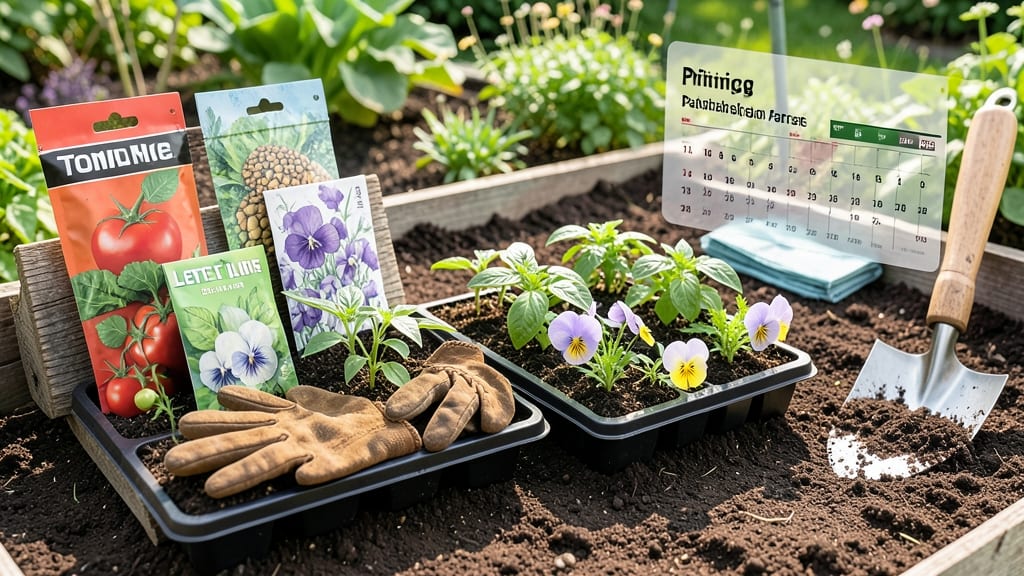
Planting your garden in Pennsylvania at the right time means the difference between a thriving harvest and wasted effort 🌱 — timing depends on your hardiness zone, frost dates, and even microclimates.
Pennsylvania’s diverse climate—from the humid Appalachians to the cooler Great Lakes region—means planting at the wrong time can turn your hard work into disappointment. Whether you're in Zone 5b or Zone 7a, knowing when to start seeds indoors, set out transplants, or direct-sow outdoors is the key to success.
In this guide, I’ll break down the best months to plant vegetables, flowers, and perennials by zone, so you can avoid late frosts and maximize your growing season.
You’ll also learn how to adjust for urban heat islands, valley cold pockets, and other local factors that can shift your ideal planting window.
Ready to get started? Discover zone-specific timing, frost-avoidance tips, and the best crops to grow in each part of the state—so you can finally enjoy the garden you’ve always dreamed of.
Pennsylvania planting zones: which one dictates your timing?
Pennsylvania spans USDA hardiness zones 5b through 7a, creating distinct planting windows across the state. Your specific zone determines last frost dates, ideal planting times for vegetables, and even which perennials will thrive.
For example, zone 5b (northwest PA) has a last frost around May 15, while zone 7a (southeastern PA) sees frost-free conditions by April 15. These differences can shift your planting schedule by 3-4 weeks.
Understanding your zone helps you avoid late spring frosts that can devastate young seedlings. In zone 6a (central PA), for instance, tomatoes and peppers should wait until after May 20, while cool-season crops like spinach can handle early April plantings.
The key is aligning your planting with soil temperatures and frost probabilities for each zone.
| Zone | Avg. Last Frost | Best Time for Warm Crops | Best Time for Cool Crops | Frost-Free Days |
|---|---|---|---|---|
| 5b | May 15 | After June 1 | Early April | 150-160 |
| 6a | May 1 | After May 20 | Mid-March | 160-170 |
| 6b | April 25 | After May 10 | Late March | 170-180 |
| 7a | April 15 | After April 20 | Early March | 180-190 |
In zone 5b, gardeners often use row covers to extend the season for warm-season plants like tomatoes, while zone 7a gardeners can start direct sowing of beans and squash as early as April 1.
Even within a single zone, microclimates (like urban heat islands or sheltered valleys) can shift planting times by 1-2 weeks. Always check your local agricultural extension office for precise frost data.
For perennials like asparagus, timing matters too—plant crowns in early spring (March-April) in zone 6a but wait until April-May in zone 5b. Daylilies and peonies also benefit from zone-specific adjustments, as cooler zones need earlier fall planting to establish roots before winter.
Always aim to plant perennials 4-6 weeks before your first expected frost.
If you're in zone 6b or 7a, you can experiment with early sowing of frost-tolerant crops like kale or lettuce under cold frames as early as February. However, zone 5b gardeners should wait until late March to avoid soil freezing.
The rule of thumb: soil should be at least 40°F and workable before planting seeds or transplants.
Another critical factor is first frost timing, which varies by zone. In zone 5b, expect first frost by October 15, while zone 7a may see frost as late as November 1.
This affects fall planting of broccoli or cabbage—start seeds 6-8 weeks before your first frost for a harvest before winter. For warm-season crops, always plant after the last frost and before August 1 to ensure maturity before cold weather.
For flowers like marigolds or zinnias, zone 5b gardeners should wait until after May 15, while zone 7a can start seeds in early April. Annuals like petunias thrive with longer frost-free seasons, making them ideal for zone 6b and 7a.
Always match your flower choices to your zone’s growing season length to avoid disappointment.
Pro tip: Use local weather apps or frost calendars from Penn State Extension to track real-time frost probabilities. These tools provide hyper-local adjustments that generic zone guides
Best months to plant common vegetables in PA (by zone & type)
Pennsylvania's diverse climate means your planting calendar should align with USDA zones 5b-7a. Cool-season crops like spinach and kale thrive in early spring, while tomatoes and peppers need warm soil. Perennials like asparagus and rhubarb have unique timing needs too.
Understanding frost dates is critical—most of PA experiences last frost between April 15-30 in zones 6-7, while zone 5b may wait until May 15. Warm-season plants can't tolerate frost, so plan accordingly. Succession planting (sowing seeds every 2-3 weeks) extends harvests for lettuce and beans.
Frost-tolerant crops like peas and broccoli can go in as early as March under row covers. Frost-sensitive plants like cucumbers and squash must wait until soil reaches 60°F+ (usually late May-early June). Perennials like asparagus need crowns planted in fall for spring harvests.
For zone 5b gardeners, push cool-season crops earlier (March) with row covers or a cold frame. In zone 7a, you can plant warm-season crops like okra as late as June 15. Always check your local frost dates—they vary by 1-2 weeks even within counties.
Pro tip: Use succession planting for bush beans and radishes—sow every 10-14 days from spring to fall. This ensures a continuous harvest instead of one big yield. Perennials like asparagus take patience; plant crowns in fall and harvest sparingly for 3 years before full yields.
Never plant frost-sensitive crops before soil warms to 60°F. Test with your hand—if it feels cold, wait. For container gardening, warm-season plants can go in 2 weeks earlier since pots heat up faster. Mulch heavily in fall to protect overwintering crops like garlic and onions from freezing.