
Planting
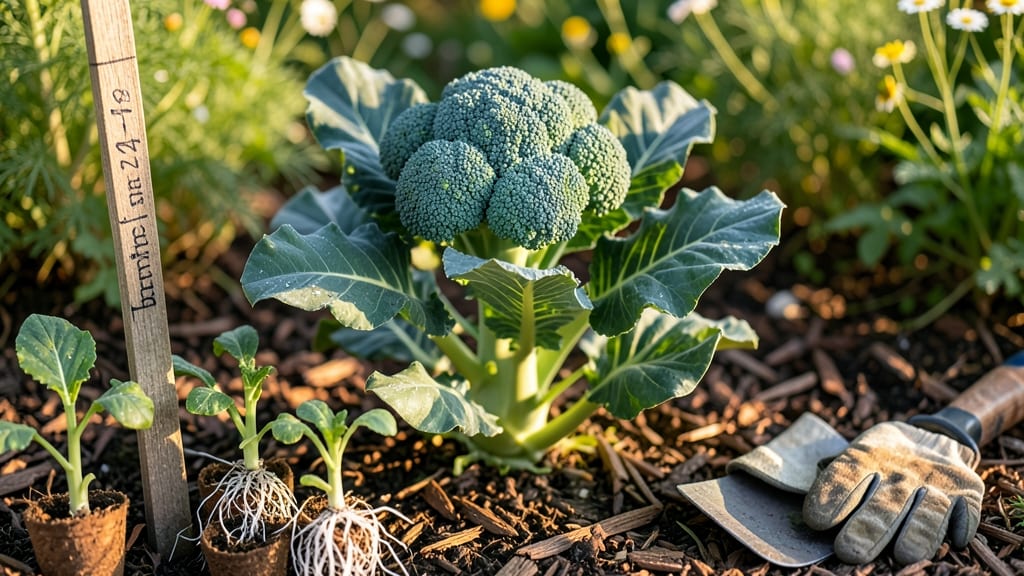
Spacing broccoli 🥦 properly in your garden is the difference between a bumper crop and a handful of stunted plants struggling for survival.
I planted mine too close last year, and by midsummer, the leaves were yellowing, the heads were tiny, and the pests had a field day. Turns out, crowding isn’t just an aesthetic problem—it’s a recipe for poor air circulation, fungal diseases, and wasted space.
Whether you’re growing Calabrese or sprouting broccoli, the right spacing keeps plants healthy, maximizes yield, and makes harvesting a breeze. In this guide, I’ll break down the exact distances you need between plants, rows, and even companion crops to avoid my mistakes—and get the harvest you’re dreaming of.
From 18-inch spacing for compact varieties to 36 inches for larger plants, I’ll cover everything you need to know to plan your garden layout like a pro. Ready to grow broccoli that actually thrives?
Ideal broccoli spacing by variety and growth habits
Getting your broccoli spacing right is the difference between a bountiful harvest and stunted, struggling plants. Each variety—whether it's head broccoli, Romanesco, or sprouting broccoli—has unique spacing needs that impact yield, air circulation, and disease resistance.
I’ve grown all three types and learned that even small adjustments in spacing can mean the difference between 20 pounds of harvest and just 5 pounds. Let’s break down the science behind spacing for each type.
First, understand that broccoli spacing isn’t just about how far apart you plant seeds or seedlings—it’s also about row spacing, bed layout, and whether you’re direct sowing or transplanting.
For example, head broccoli (like Calabrese) needs more room to develop large heads, while sprouting broccoli (like Purple Sprouting) can handle tighter quarters because you’re harvesting the side shoots. Romanesco, with its fractal-shaped heads, falls somewhere in between but still requires careful planning.
| Variety | Plant Spacing (inches) | Row Spacing (feet) | Bed Spacing (feet) | Notes |
|---|---|---|---|---|
| Head Broccoli (Calabrese) | 18-24" | 2-3' | 3-4' | Needs extra room for large heads; transplant for best results. |
| Romanesco | 18-20" | 2-2.5' | 3' | Compact heads but still needs airflow; direct sow or transplant. |
| Sprouting Broccoli | 12-15" | 1.5-2' | 2.5-3' | Tighter spacing works for side shoots; ideal for small gardens. |
| Direct Sowing | 6-8" (thin to spacing above) | Same as transplant | Same as transplant | Thin seedlings early to avoid competition; use row covers for pests. |
| Transplanting | Follow variety spacing | Follow variety spacing | Follow variety spacing | Hardens seedlings first; plant deeper than seedling height for stability. |
⚠️ Pro Tip: Adjust spacing 10-15% wider in hot climates to reduce stress.
For head broccoli, I always use 18-24 inches between plants because these varieties produce large, heavy heads that need support and space to breathe. In my raised beds, I space rows 2-3 feet apart to allow for easy weeding and airflow.
If you’re growing in containers, opt for dwarf varieties like 'Little Sprint' and space them 12-15 inches apart—just be ready to harvest earlier since container-grown broccoli matures faster.
When it comes to Romanesco broccoli, the spacing is slightly tighter at 18-20 inches between plants, but the real trick is keeping the row spacing at 2-2.5 feet. Romanesco’s unique fractal heads are prone to rot if airflow is poor, so don’t skimp on space.
I’ve found that planting in wide rows (3 feet apart) with staggered plants helps maximize sunlight exposure and reduces disease risk. This variety also benefits from transplanting rather than direct sowing, as it gives you more control over spacing from the start.
Sprouting broccoli, like 'Purple Sprouting,' is the most forgiving when it comes to spacing. You can plant these 12-15 inches apart because you’re harvesting the side shoots rather than a single large head. This makes it perfect for small gardens or interplanting with other crops. In my
Common spacing mistakes that kill broccoli yields (and how to fix them)
If your broccoli plants look stunted or produce tiny, underdeveloped heads, the issue might be right under your feet—or rather, between your plants. Poor spacing is one of the most overlooked factors that directly impacts yield, air circulation, and disease resistance.
Even experienced gardeners often crowd their broccoli too closely, thinking more plants mean bigger harvests. Unfortunately, the opposite is true: overcrowded broccoli competes for nutrients, light, and space, leading to weak stems, yellowing leaves, and stunted growth.
I’ve seen firsthand how 18-inch spacing (the ideal distance for most varieties) can transform a struggling broccoli patch into a high-yielding powerhouse. But when plants are crammed into 12-inch gaps or less, they’ll fight for survival, leaving you with puny heads and frustrated expectations.
The good news? It’s never too late to fix spacing mistakes—even mid-season adjustments can save your crop.
⚠️ Warning: Overcrowding Symptoms in Broccoli
- Yellowing leaves: Lower leaves turn pale or yellow due to poor air flow and nutrient competition.
- Stunted heads: Heads stay small, loose, or fail to form entirely.
- Pest magnet: Crowded plants attract aphids, cabbage worms, and fungal diseases like downy mildew.
- Leggy stems: Plants stretch toward light, becoming weak and prone to toppling.
💡 Fix it now: Thin plants immediately to 18 inches apart and mulch to retain moisture.
One of the biggest misconceptions is that smaller varieties like Romanesco broccoli or sprouting broccoli can tolerate tighter spacing. While they may need slightly less room (12-15 inches), even these can suffer if packed too closely.
For example, I once grew Calabrese broccoli in 15-inch rows instead of the recommended 24 inches, and the outer plants bolted prematurely while the inner ones rotted from poor airflow.
Another common mistake is ignoring mid-season adjustments. If you notice yellowing leaves or stunted growth after transplanting, don’t wait until harvest to fix it. Instead, carefully thin your plants by removing the weakest stems—even if it means sacrificing a few.
This might feel counterintuitive, but giving your remaining broccoli plants 18-24 inches of space will let them recover and produce larger, healthier heads. Pro tip: Use a sharp knife to cut stems at soil level to avoid disturbing roots.
For container gardening, spacing mistakes are just as critical. Many gardeners assume dwarf varieties like ‘De Cicco’ broccoli can thrive in 5-gallon pots with multiple plants, but this leads to the same competition issues.
Stick to one plant per 12-inch pot and space containers 18 inches apart to ensure adequate airflow. I’ve seen containers overflowing with broccoli plants produce nothing but bitter, undersized heads—a clear sign of overcrowding.
To prevent future spacing disasters, plan your layout before planting. Use a string or garden twine to mark rows at the correct distance, and consider succession planting in phases to avoid overcrowding your garden at once.
For example, plant a small batch every 2 weeks in spring and fall, ensuring each group has enough space to thrive. This approach not only maximizes yield but also extends your harvest window.
With the right spacing, your broccoli will reward you with bold, flavorful heads instead of sad, stunted disappointments. 🥦