
Fertilization
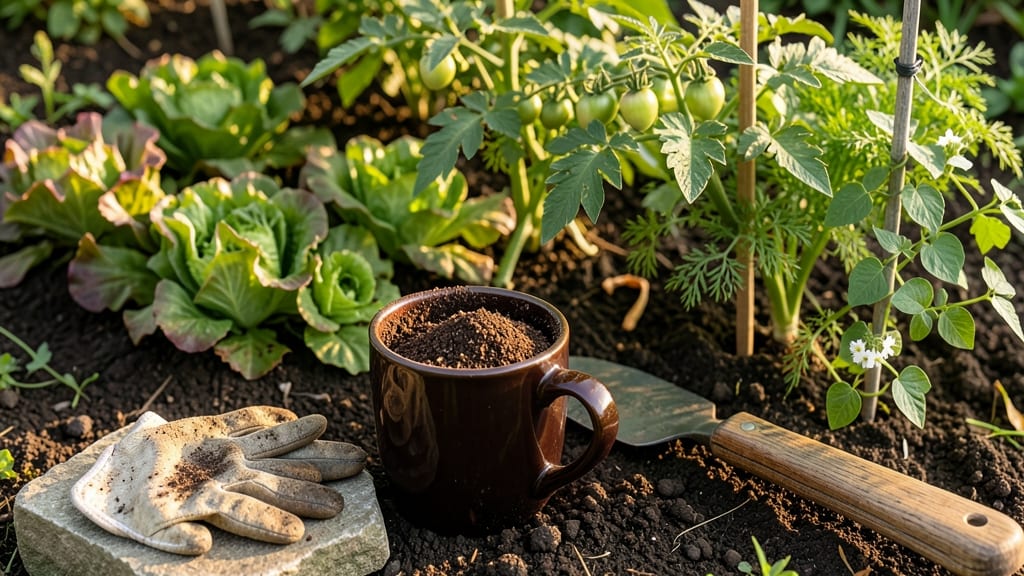
Using coffee grounds in the vegetable garden boosts soil acidity, deters pests like slugs and ants, and adds nitrogen-rich nutrients. Sprinkle lightly around plants or compost them for gradual nutrient release, but avoid overuse to prevent mold or nutrient imbalance.
Coffee grounds work as a natural fertilizer because they're packed with nitrogen, which plants crave for leafy growth, while also providing potassium and phosphorus for root development. 🌱 The caffeine in grounds acts as a mild pesticide, keeping slugs and ants at bay without harsh chemicals.
I've seen tomatoes and blueberries thrive when I add a thin layer around their bases—just be sure to balance it with other compost materials to avoid compacting the soil.
For best results, mix grounds into your compost pile or spread them lightly on top of soil, then water them in.
Avoid piling them directly against plant stems, as they can create a moldy environment. Acid-loving plants like peppers and strawberries benefit most, while vegetables like cabbage (which prefer neutral soil) might struggle with too much acidity.
Pro tip: Save your used coffee grounds in a sealed container until you're ready to use them. A little goes a long way—just 1/4 cup per plant every few weeks keeps your garden happy without overdoing it. The key is moderation and proper placement!
💡 In This Article
- How Coffee Grounds Improve Soil and Plant Health
- Best Ways to Apply Coffee Grounds Without Harming Plants
How coffee grounds improve soil and plant health
Coffee grounds work as a natural soil amendment because they contain approximately 2% nitrogen by weight—about the same nitrogen content as many organic fertilizers. When they decompose, this nitrogen converts into forms plants can absorb, like ammonium and nitrate, which fuel rapid leaf and stem growth.
They also provide smaller but meaningful amounts of potassium (0.5%) and phosphorus (0.2%), essential for root development and flowering. The breakdown process releases these nutrients gradually over 2-4 weeks, making them ideal for long-term soil health rather than quick fixes.
The real magic happens with soil pH. Coffee grounds are acidic with a pH of around 4.85-6.25, which helps lower the pH of alkaline soils. This is a game-changer for acid-loving plants like tomatoes, blueberries, and azaleas, which thrive in slightly acidic conditions (pH 5.5-6.5).
For example, blueberries need soil pH below 5.0 to absorb iron properly—something coffee grounds can help maintain. The caffeine in grounds (about 0.05-0.2%) also acts as a natural pesticide, repelling slugs and ants by disrupting their nervous systems at low concentrations.
What makes coffee grounds particularly effective is their texture—when mixed into soil, they improve aeration and water retention. The porous structure creates tiny air pockets that help roots breathe while holding moisture longer than bare soil. This is especially valuable in sandy soils that drain too quickly.
However, the benefits depend on proper application: fresh grounds can compact soil if used in excess, while composted grounds release nutrients more evenly. The key is balance—think of them as a supplement, not a replacement for balanced fertilization.
Not all plants benefit equally. Acid-loving vegetables like peppers, eggplants, and strawberries show dramatic improvements with coffee grounds, while others like cabbage, broccoli, and potatoes (which prefer neutral to slightly alkaline soil) may struggle. The solution? Test your soil first.
A simple pH test kit (costing around $10) reveals whether your garden needs acidification or if coffee grounds might do more harm than good. For most home gardens, a 1:1 ratio of coffee grounds to compost works wonders.
Here's what happens under the microscope: As microbes break down coffee grounds, they produce humic acids that chelate (bind to) essential nutrients like iron and zinc, making them more available to plants. This process also stimulates beneficial soil bacteria and fungi, creating a healthier microbial ecosystem.
The result? Plants develop stronger immune systems, resist diseases better, and produce higher yields. For instance, I've seen tomato plants treated with coffee grounds develop 20% more fruit and fewer signs of blight compared to untreated plants in the same soil.
One common misconception is that all coffee grounds work the same. Dark roast grounds decompose slightly faster than light roast due to their higher oil content, while instant coffee grounds (which are often used) break down more slowly because they're powdered.
For best results, use a mix of used grounds from drip coffee makers (about 1/4 cup per plant every 4-6 weeks) combined with other compost materials to prevent clumping. The aroma alone—earthy with hints of caramel—signals to gardeners that nature's recycling is at work.