
Tools
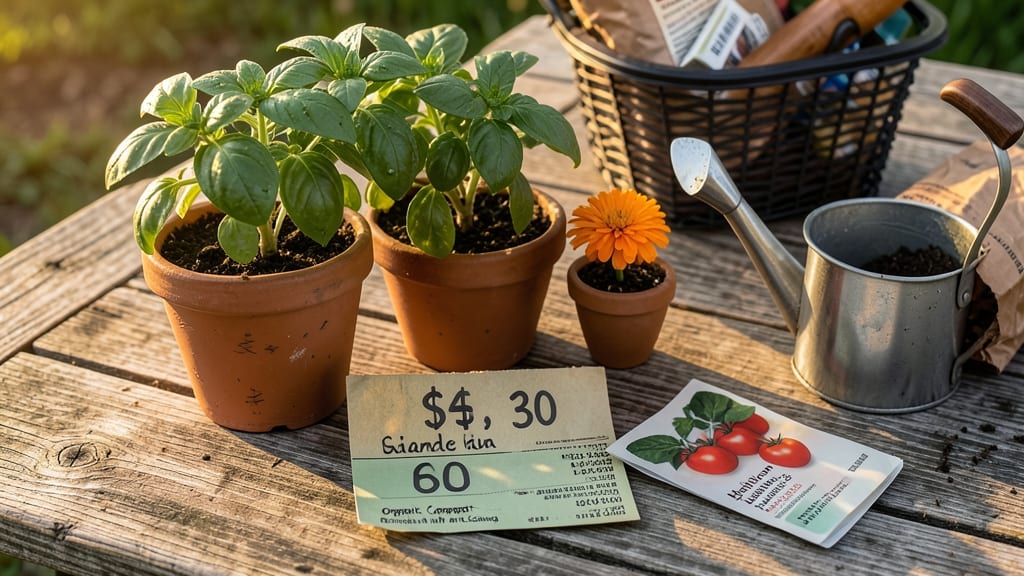
Garden tool pricing ranges dramatically depending on type, with essential hand tools like shovels ($10–$30) and rakes ($15–$40) offering the best entry-level value. Mid-range power tools (e.g., string trimmers) start around $150, while professional-grade equipment—like zero-turn mowers or commercial-grade tillers—can cost $2,000+. Investing in durable materials (like stainless steel blades) and reputable brands often pays off long-term through reduced replacement costs.
The cost of garden tools reflects both their function and build quality. Basic hand tools like trowels or pruners are affordable because they require minimal materials and craftsmanship, but even in this category, ergonomic designs can add $10–$20 to the price.
Power tools demand higher investment due to engine technology, safety features, and maintenance requirements—something I’ve noticed when comparing entry-level lawn mowers ($150–$300) to their commercial counterparts ($1,000+). 🔥 The real value often lies in how well a tool holds up over years of use, which is why I always check warranties and material specs before buying.
For budget-conscious shoppers, focusing on multi-purpose tools (like a foldable shovel or a telescoping rake) can stretch your dollar further. I’ve found that buying from reputable brands—even at mid-range prices—often means fewer replacements down the line.
For example, a $50 pruner might last 10 years with proper care, while a $15 knockoff could fail after a single season. The key is balancing upfront cost with long-term usability.
💡 In This Article
- Factors Influencing Garden Tool Pricing
- Budget-Friendly Garden Tool Shopping Guide
Factors influencing garden tool pricing
The core of garden tool pricing comes down to material composition and engineering precision. For hand tools, stainless steel blades (like those in Fiskars pruners) cost more than carbon steel because they resist rust and require less maintenance.
A basic carbon steel trowel might run $5–$10, while a stainless steel version jumps to $15–$25 due to higher-grade alloys and corrosion-resistant coatings. The difference becomes clear when you consider how long each lasts—rusted tools need frequent replacements, while stainless steel ones maintain sharpness for years.
Power tools introduce additional cost drivers like engine technology and safety certifications. A cordless string trimmer with a 40V battery system starts around $150, while a comparable gas-powered model costs $200–$300 due to fuel tank requirements and emissions compliance.
Professional-grade equipment takes this further: zero-turn mowers with commercial-grade decks and hydrostatic transmissions can exceed $3,000 because they're built for 8+ hours of continuous use per day, unlike residential models rated for 2–4 hours.
The engineering behind these differences explains why a $500 lawn mower might outlast three $200 alternatives.
Brand reputation plays a surprising role in pricing psychology. Tools from established names like Fiskars, Felco, or Husqvarna often carry premium prices not just for quality, but for consistent performance across products.
For example, a Felco pruner ($80–$120) includes self-sharpening mechanisms that eliminate the need for manual honing—a feature absent in $20 pruners that require frequent maintenance. This "hidden cost" of ownership often makes budget tools more expensive long-term, even if their upfront price is lower.
The same logic applies to warranties: a lifetime warranty on a shovel might add $10–$15 to the price but saves hundreds in replacements over decades.
Ergonomic design adds another layer of cost differentiation. Tools with angled handles, vibration-dampening grips, or balanced weights (like the Fiskars X7 line) can cost 30–50% more than basic models because they require specialized manufacturing. The payoff?
Reduced strain injuries and longer usage without fatigue—a critical factor for gardeners who spend hours weekly maintaining their space. This is why a $40 ergonomic pruner might be more cost-effective than a $15 standard model when factoring in potential medical costs from repetitive strain injuries.
Durability ratings, measured in ASTM or ISO standards, provide concrete evidence of these price differences. A tool rated for 500+ cutting cycles (like premium pruners) will outlast one rated for 100 cycles by a factor of five.
The materials science behind this includes heat-treated blades, reinforced joints, and precision-welded seams—each adding to production costs but extending tool life.
For instance, a $100 soil tester with replaceable probes costs more upfront than a $30 basic model, but the former provides 5–10 years of accurate readings versus 1–2 years for the cheaper alternative.
One often-overlooked factor is tool weight distribution. High-end tools use aerospace-grade aluminum alloys for lightweight strength, reducing user fatigue. A 12-inch Fiskars pruner weighs 1.2 lbs, while a budget version might tip the scales at 2 lbs—the difference becomes noticeable after 500 cuts.
This engineering precision justifies the price premium, especially for professionals who use tools daily. The trade-off between weight and durability explains why a $200 hedge trimmer might be worth it for serious gardeners, while a $50 model suffices for occasional use.