
Tools
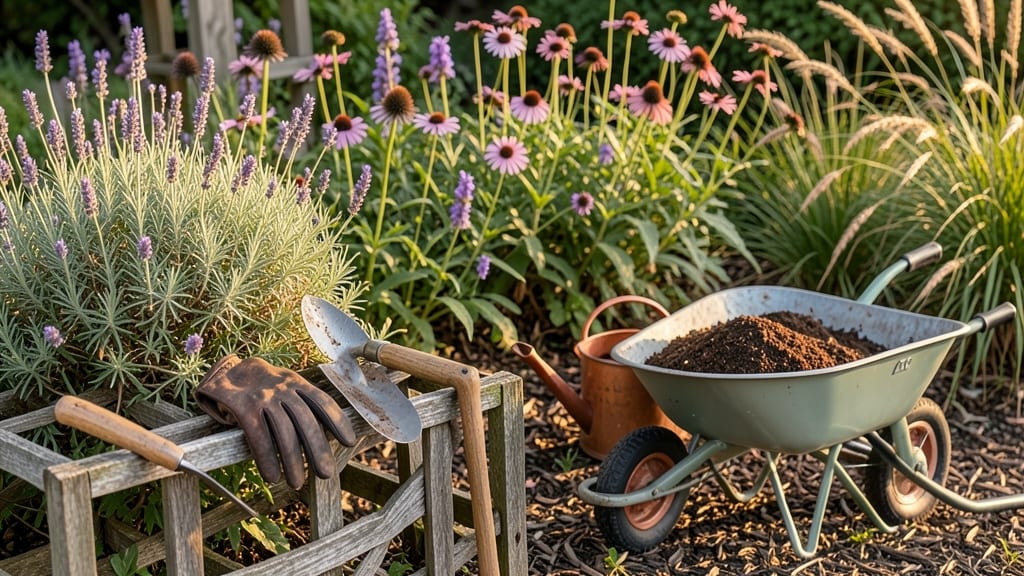
The Monty Don Garden Show provides hands-on gardening expertise, covering everything from winter fruit tree pruning to designing pollinator-friendly gardens and natural pest control with simple household solutions like garlic and chili. His approach merges classic gardening knowledge with eco-conscious practices.
The show's appeal lies in its perfect blend of practical techniques and sustainable principles, making it accessible for both beginners and seasoned gardeners. 🌱 Monty's demonstrations often highlight how small, thoughtful changes—like proper pruning timing or strategic plant placement—can dramatically improve garden health.
What sets his advice apart is the focus on long-term ecosystem benefits, not just short-term aesthetics.
Whether you're tackling a specific gardening challenge or looking to transform your outdoor space, the show's episodes serve as a masterclass in seasonal gardening wisdom.
The beauty of Monty's methods is their adaptability—techniques that work in his UK gardens can be easily modified for different climates and soil types around the world.
💡 In This Article
- Monty Don’s Seasonal Gardening Calendar
- DIY Monty Don-Inspired Garden Projects
Monty Don’s seasonal gardening calendar
Monty Don’s gardening calendar isn’t just about following dates—it’s about understanding how plants respond to environmental cues like temperature shifts, daylight changes, and even lunar phases.
For example, he recommends pruning fruit trees in late winter (typically February-March in the UK) because the trees are dormant, making them less stressed and more likely to heal properly.
The science here involves dormancy physiology: when deciduous trees lose their leaves, they enter a resting state where growth hormones like auxin are minimized, allowing clean cuts without excessive bleeding.
His approach to sowing seeds demonstrates how light exposure triggers germination. Many vegetables, like lettuce and spinach, are long-day plants that respond to increasing daylight hours in spring.
Monty often suggests starting these seeds indoors 6-8 weeks before the last frost date (around mid-April in most UK regions) to give seedlings a head start.
The key measurement here is 12-14 hours of light daily—achieved through grow lights or sunny windowsills—mimicking natural conditions that would occur outdoors in late spring.
What makes Monty’s calendar particularly effective is his attention to regional microclimates. A coastal garden, for instance, might experience 2-3°C warmer nights than inland areas, allowing for earlier planting of frost-sensitive crops like tomatoes.
He advises gardeners to observe their own microclimate by tracking minimum nighttime temperatures for at least three years. This data-driven approach transforms gardening from guesswork into a precise science, where timing becomes as important as technique.
Lunar cycles also play a subtle but meaningful role in Monty’s recommendations. While he’s quick to clarify that the moon doesn’t directly affect plant growth (that’s a common myth), he does highlight how moisture availability varies with lunar phases.
Planting root crops like carrots or beets during a waxing moon (when moisture is drawn upward) aligns with their growth patterns, while leafy greens thrive during a waning moon when energy flows downward. This isn’t about superstition—it’s about working with natural water cycles in the soil.
The practical magic happens when you combine these elements. Take harvesting strawberries: Monty suggests picking them in the early morning when sugars have converted overnight and temperatures are cool, preserving flavor.
This 6-8 AM window minimizes oxidation and maintains the fruit’s vibrant red color—something you’d never get by harvesting at midday when enzymes become more active. These small, science-backed details are what elevate gardening from a hobby to a skill.
For home gardeners, the takeaway is simple: start by observing your local frost dates and microclimate, then layer in lunar observations and plant-specific needs. Monty’s calendar becomes your roadmap, but the real expertise comes from adapting it to your unique growing conditions.
The result? A garden that thrives year-round, not just follows a schedule. 🌿