
How To
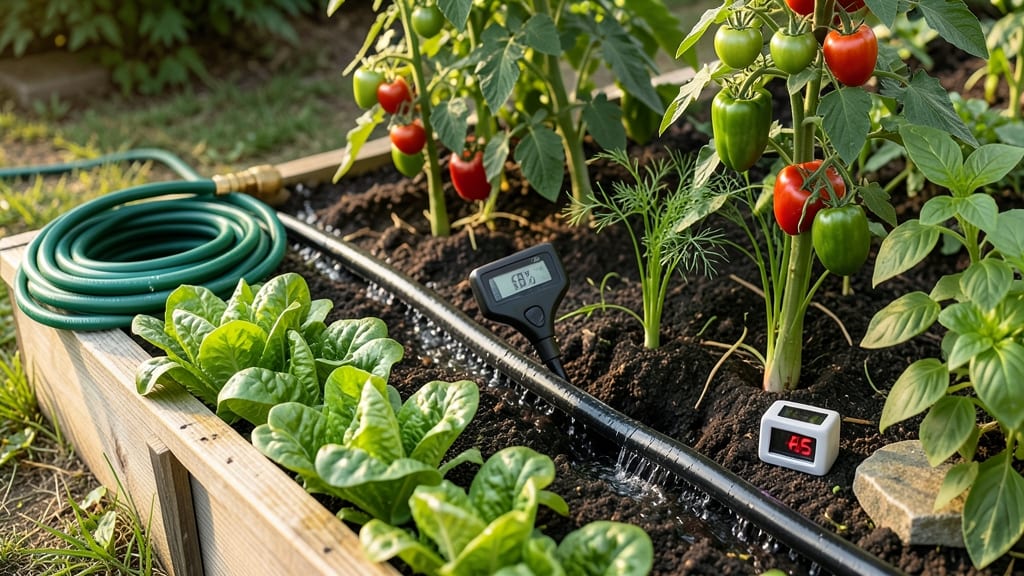
Leaving a soaker hose on your vegetable garden for 30 minutes to 2 hours is the sweet spot—long enough to deeply hydrate roots but short enough to avoid drowning your plants 🥬.
Struggling to balance overwatering and underwatering? Too long, and you risk root rot; too short, and your plants wilt. The key is knowing when to start, how long to run it, and when to stop—especially in Zone 6a where spring rains can turn your garden into a swamp overnight.
Soil type, plant needs, and weather all play a role. Sandy soil drains fast, while clay holds moisture longer, and a sudden heatwave can evaporate water in hours. Below, I’ll break down the science-backed timing for every stage of growth—from seedlings to harvest-ready crops.
You’ll also learn the 5 key signs your garden is getting just the right amount of water (or too much), plus how to adjust for efficiency without wasting a drop.
Optimal soaker hose duration by plant type and soil conditions
A soaker hose is a game-changer for vegetable gardens, delivering water directly to the root zone while minimizing waste. But the duration you leave it running depends on plant type and soil conditions.
Root vegetables like carrots need deep, infrequent watering, while leafy greens thrive with shallow, frequent moisture. Let’s break down the science so you water like a pro.
Soil type plays a critical role in how long you should run your soaker hose. Clay soil holds water tightly, requiring shorter sessions (30-60 minutes), while sandy soil drains quickly, demanding longer runs (60-90 minutes).
Ignoring these differences can lead to overwatering or underwatering, both of which stress your plants. Below, I’ve compiled a data-driven guide to help you tailor your watering schedule.
| Plant Type | Soil Type | Soaker Hose Duration | Frequency | Notes |
|---|---|---|---|---|
| Root Vegetables (Carrots, Beets, Potatoes) | Clay | 30-45 minutes | Every 3-4 days | Deep watering encourages root growth |
| Root Vegetables | Sandy | 60-90 minutes | Every 2-3 days | Prevents rapid drainage |
| Leafy Greens (Lettuce, Spinach, Kale) | Clay | 20-30 minutes | Daily | Shallow roots need frequent moisture |
| Leafy Greens | Sandy | 45-60 minutes | Every other day | Adjust for heat stress |
| Fruiting Plants (Tomatoes, Peppers, Cucumbers) | Clay | 45-60 minutes | Every 2 days | Critical during flowering/fruiting |
| Fruiting Plants | Sandy | 75-90 minutes | Daily | Supports heavy fruit production |
For root vegetables, prioritize deep watering sessions. Carrots and beets, for example, need water to penetrate 12-18 inches deep to encourage straight, flavorful roots. In clay soil, a 30-minute session is often enough, while sandy soil may require 90 minutes to saturate adequately.
Use a soil probe to check moisture levels—if it’s dry at 6 inches, extend your session.
Leafy greens like lettuce and spinach have shallow roots, so shorter, more frequent watering works best. In clay soil, a 20-minute soak daily keeps them hydrated without drowning their delicate roots.
In sandy soil, increase to 45-60 minutes every other day to prevent moisture loss. Overwatering here leads to bolting (premature flowering), ruining your harvest.
Fruiting plants like tomatoes and peppers are the most demanding. During peak fruiting, they need consistent moisture to prevent blossom-end rot. In clay soil, run your soaker hose for 45-60 minutes every 2 days, while sandy soil may need daily 75-minute sessions.
Monitor the soil 1-2 inches below the surface—it should stay moist but not soggy.
Seasonal adjustments are key. In summer heat, increase duration by 20-30% to combat evaporation, while spring and fall may only need 10-20% of peak summer times.
Always water in the early morning to reduce fungal risks and maximize absorption. Pro tip: Place a trowel near your hose to dig a small hole and
5 Key signs your vegetable garden needs more (or less) soaker hose time
Your vegetable garden is like a sponge—too much water, and it gets soggy; too little, and it dries out. A soaker hose is a lifesaver, but knowing when to adjust its runtime can mean the difference between thriving tomatoes and wilted lettuce.
Here’s how to read your garden’s signals and fine-tune your watering schedule for Zone 6a conditions.
Start by checking the soil moisture 1–2 inches below the surface. Stick your finger in—if it feels dry, your plants need more water. If it’s damp, cut back on the soaker hose.
This simple test saves you from overwatering or underwatering, both of which stress your veggies and attract pests like fungal diseases.
Wilting leaves midday (not just heat stress): If your plants droop by noon but perk up in the evening, they’re thirsty. Run the soaker hose for 15–30 minutes longer during peak heat.
Yellowing lower leaves (not nutrient deficiency): Soggy soil or overwatering causes leaves to turn yellow and mushy. Reduce soaker hose time by 25–50% and improve drainage with mulch.
Exposed roots or soil pulling away from stems: This means your plants aren’t getting enough water to stay anchored. Increase soaker hose time by 10–20 minutes and water deeper, not more frequently.
Puddles lingering 6+ hours after watering: Clay soil or compacted ground traps water, suffocating roots. Shorten soaker hose time by 30–45 minutes and aerate the soil with a fork.
Seasonal shifts: In summer, run the soaker hose for 1–2 hours daily (early morning). In spring, 30–60 minutes every other day is often enough. Adjust based on rainfall—skip watering if you’ve had 0.5 inches of rain.
Pro tip: Group plants with similar water needs together. Leafy greens like spinach and kale need consistent moisture, while root crops like carrots and potatoes prefer drier conditions. Use the soaker hose’s adjustable flow to tailor watering to each zone in your garden.
Finally, trust your instincts. If your garden feels “just right”—no wilting, no puddles, and soil that’s moist but not soggy—you’ve nailed the balance. Keep a watering journal to track adjustments, and soon, you’ll anticipate your plants’ needs before they show signs of stress.
💧