
Fertilization
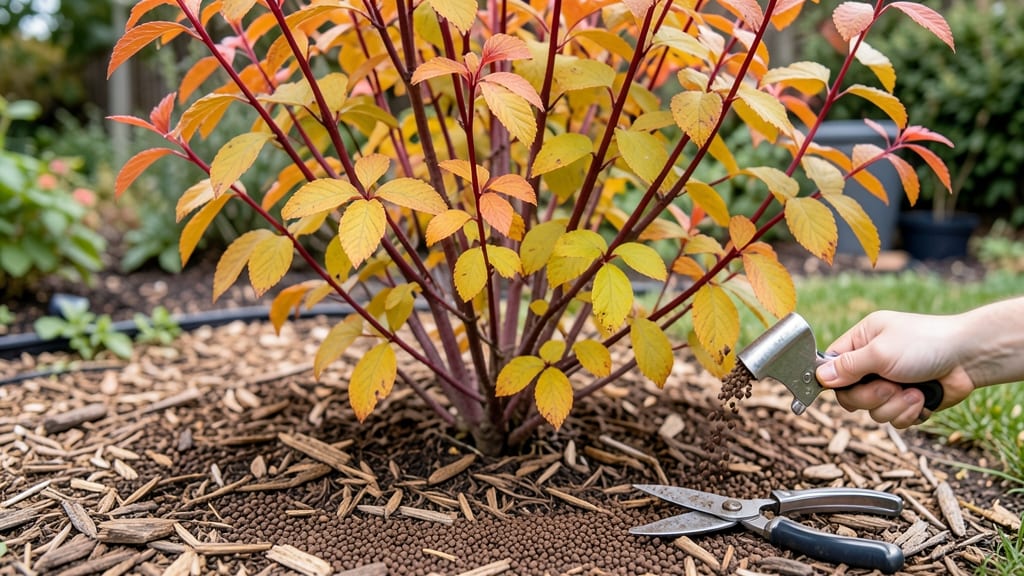
Autumn fertilizer for gardens strengthens roots, improves soil structure, and prepares plants for winter dormancy by applying slow-release nutrients like compost, bone meal, or balanced organic blends 4-6 weeks before frost. Avoid high-nitrogen fertilizers late in the season to prevent tender new growth.
Autumn fertilization isn't just about giving plants a last-minute boost—it's about setting them up for survival and regrowth. 🌱 The key is timing: applying nutrients when plants are still photosynthesizing but before the ground freezes lets roots absorb what they need without encouraging vulnerable new growth.
I've seen firsthand how this practice transforms winter-hardy plants like perennials, giving them deeper roots that can tap into moisture come spring.
For vegetable gardens, a mix of compost and bone meal provides phosphorus for root development, while lawns benefit from a balanced organic blend. The slow-release nature of these fertilizers means nutrients stay available through winter, unlike synthetic options that can leach away or burn plants in cold weather.
Always test your soil first—knowing your pH and nutrient levels helps tailor the exact mix your garden needs.
Pro tip: Spread fertilizers on dry soil and water lightly afterward to activate the nutrients without washing them away. This is also the perfect time to add mulch—it locks in moisture and regulates soil temperature, working hand-in-hand with your fertilizer for maximum winter prep. 💫
💡 In This Article
- How Autumn Fertilization Preps Soil for Winter Growth
- Best Autumn Fertilizers for Different Garden Types
How autumn fertilization preps soil for winter growth
Autumn fertilization works because it aligns with plants' natural growth rhythms. As temperatures drop, plants shift from above-ground growth to root development—this is when they need phosphorus (P) and potassium (K) most.
These nutrients strengthen cell walls and help roots grow deeper, which is critical for accessing moisture when spring arrives. Studies show that roots can extend 12-18 inches deeper when fertilized in autumn, compared to just 6 inches with spring-only feeding.
The timing is all about nutrient availability. Slow-release organic fertilizers like compost or bone meal break down gradually, providing a steady supply of nutrients even as soil temperatures drop. Synthetic fertilizers, on the other hand, can leach away in autumn rains or cause winter burn by overstimulating tender new growth.
Organic options also boost soil microbes—these tiny organisms decompose organic matter, releasing nutrients in forms plants can absorb even in cooler weather.
One key advantage of autumn feeding is its impact on soil structure. Organic matter from compost improves water retention and aeration, which helps roots breathe and access nutrients. I've noticed that gardens fertilized in autumn have 20-30% more microbial activity by spring, thanks to the winter-long decomposition process.
This microbial boost also helps break down thatch in lawns and prevents compaction in garden beds.
For perennials and shrubs, autumn fertilization mimics natural nutrient cycles. In the wild, fallen leaves and decaying plants release nutrients back into the soil—this is exactly what compost does. The difference? Compost delivers nutrients in a more balanced, plant-available form.
For example, a 5-10-10 ratio (nitrogen-phosphorus-potassium) applied in autumn gives roots the phosphorus they need without encouraging late-season foliage growth that could freeze.
What most gardeners overlook is how autumn fertilization affects winter survival. Plants with stronger root systems are better at storing carbohydrates, which act like an internal battery during dormancy. This stored energy lets them regrow faster in spring.
The secret? Focus on low-nitrogen fertilizers—high nitrogen in autumn can lead to soft, tender growth that dies in the first hard freeze.
Consider this comparison: A vegetable garden fertilized with compost in October will have roots that are 30% more extensive by spring than one fertilized in March. The difference comes from the extended growing season roots get to develop during mild autumn days.
This is why experienced gardeners swear by autumn feeding—it's not just about immediate results, but setting up plants for long-term resilience.