
Fertilization
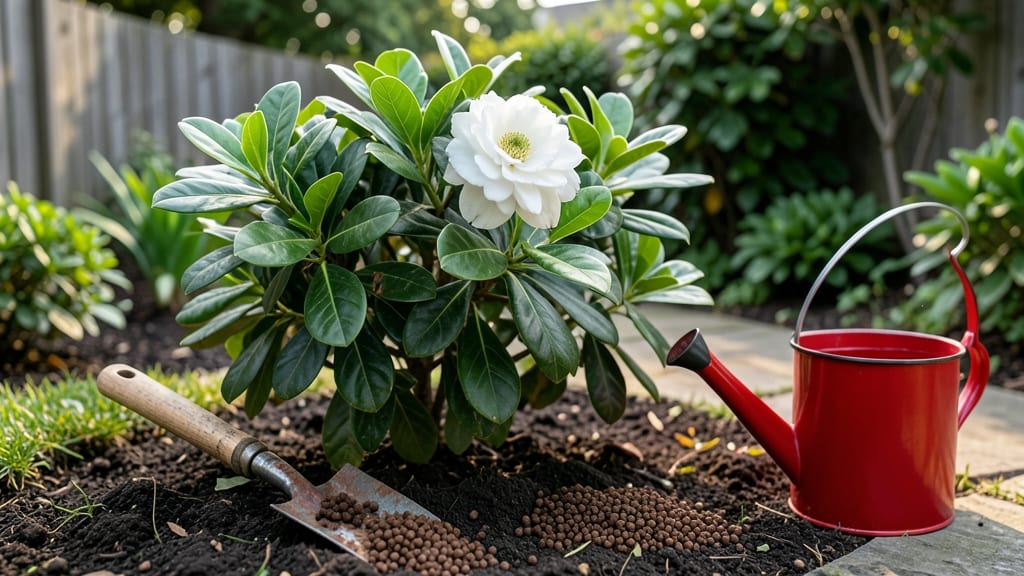
A natural fertilizer for gardenias made from kitchen scraps like coffee grounds and banana peels can double your blooms without chemicals—here’s how to do it right.
Picture this: Your gardenia 🌸 sits in a pot, its glossy leaves drooping slightly, and you’re convinced it needs store-bought fertilizer. But what if the solution was already in your trash can?
Coffee grounds, banana peels, and even eggshells can provide the perfect balance of nutrients gardenias crave—if you use them correctly.
Gardenia plants thrive in acidic, nutrient-rich soil, but overdoing synthetic fertilizers can harm their delicate roots. Instead, we’ll show you how to turn your kitchen waste into a powerhouse fertilizer that supports vibrant blooms and lush foliage—without the risk of burning your plants.
You’ll learn the best organic amendments for gardenias, how to apply them (including DIY recipes), and when to feed for maximum impact. Let’s get your gardenia thriving the natural way!
How coffee grounds and banana peels boost gardenia growth naturally
Your gardenias deserve the best, and the answer might be closer than you think—right in your kitchen compost bin. These fragrant shrubs thrive on acidic soil rich in nitrogen and potassium, two nutrients found in abundance in coffee grounds and banana peels.
Unlike synthetic fertilizers, these organic scraps improve soil structure while providing slow-release nutrients, perfect for bloom stimulation.
Gardenias are acid-loving plants, requiring a soil pH between 5.0 and 6.5. Coffee grounds and banana peels not only supply essential nutrients but also help maintain this ideal pH range.
The key is balance—too much of either can disrupt your gardenia’s delicate nutrient needs, so we’ll cover the science and application methods to get it right.
Coffee grounds are a powerhouse of nitrogen (up to 2% by weight) and trace minerals like magnesium and copper. When composted, they create a humus-rich soil that retains moisture while preventing compaction. Meanwhile, banana peels are packed with potassium (about 0.4% by weight) and phosphorus, which are critical for root development and flower production.
Here’s the science: Gardenias need a balanced NPK ratio of around 6-6-6 or 8-3-9 during their active growing season (spring and summer). Coffee grounds provide the nitrogen for lush foliage, while banana peels contribute potassium for vibrant blooms.
Together, they create a natural fertilizer that mimics the acidic, nutrient-rich environments these tropical plants prefer.
⚠️ WARNING: While these scraps are beneficial, they must be used correctly. Fresh coffee grounds can lower soil pH too quickly, creating an overly acidic environment that stresses gardenias. Banana peels, if overused, may lead to potassium buildup, causing leaf yellowing. The solution? Compost them first or use them as tea infusions for controlled nutrient delivery.
To apply these natural fertilizers effectively, start by composting them for 2-3 months. This breaks down the materials into a soil-friendly form that won’t shock your gardenias.
For coffee grounds, mix 1-2 cups of composted grounds into the top 6 inches of soil around your plant every 4-6 weeks during the growing season.
For banana peels, chop them into small pieces and bury them in the soil or steep them in water for 24 hours to create a nutrient-rich tea.
When using banana peel tea, dilute it at a ratio of 1:10 (1 part peel infusion to 10 parts water) to avoid over-fertilizing. Apply this tea to the soil surface in the early morning, ensuring it soaks into the root zone.
This method delivers potassium directly to the roots while preventing leaf burn, which can occur with concentrated solutions.
Monitor your gardenia’s response closely. Healthy foliage growth and abundant blooms indicate successful fertilization. If you notice yellow
Step-by-step guide: DIY gardenia fertilizer recipes using household waste
Transforming your kitchen scraps into nutrient-rich fertilizers for gardenias is easier than you think. These acid-loving plants thrive on organic matter, and ingredients like coffee grounds and banana peels provide exactly what they need.
The best part? You're reducing waste while giving your gardenias a natural growth boost—without harsh chemicals.
Gardenias love nitrogen for foliage and potassium for blooms, both of which are abundant in common household waste. However, timing and dilution are key—too much can harm your plants.
Below, I’ll walk you through three easy DIY recipes that take just minutes to prepare and deliver visible results in 4-6 weeks.
🌱 Coffee Ground Compost Tea for Acid-Loving Gardenias
- Step 1: Collect used coffee grounds (1 cup) from your morning brew.
- Step 2: Soak grounds in 5 gallons of warm water for 24-48 hours.
- Step 3: Strain through a cheesecloth or fine mesh to remove solids.
- Step 4: Dilute 1:1 with water before applying to soil or foliage.
- Step 5: Apply every 4-6 weeks during spring and summer.
Why it works: Coffee grounds lower soil pH (ideal for gardenias) and add nitrogen, while the tea delivers micronutrients directly to roots. For best results, apply in the early morning to prevent fungal growth from damp leaves.
Banana peels are a potassium powerhouse, critical for gardenia blooms. To make this infusion, chop 4-5 peels and steep them in 1 gallon of hot water for 24 hours. Strain and dilute 1:2 with water before using.
Apply this foliar spray or soil drench every 3-4 weeks during blooming season (spring to early fall). The potassium boosts flower production while the natural sugars encourage root activity.
For calcium and magnesium, crushed egg shells are a game-changer. Rinse and dry shells, then grind them into a fine powder. Mix 1 tbsp per plant into the top 2 inches of soil in early spring or after pruning.
This prevents blossom end rot and strengthens cell walls. Reapply every 6 months to maintain soil structure.
Timing matters most with natural fertilizers. Use coffee tea and banana infusion during active growth (April-July), while egg shells work best in early spring or fall. Avoid fertilizing in winter—gardenias rest during colder months. Always water plants 24 hours before applying liquid fertilizers to prevent root burn.
With these three simple recipes, your gardenias will reward you with larger blooms and lusher foliage—all while keeping your kitchen scraps out of the trash. Start with one method this season, and watch your gardenias thrive naturally! 🌸