
Light Requirements
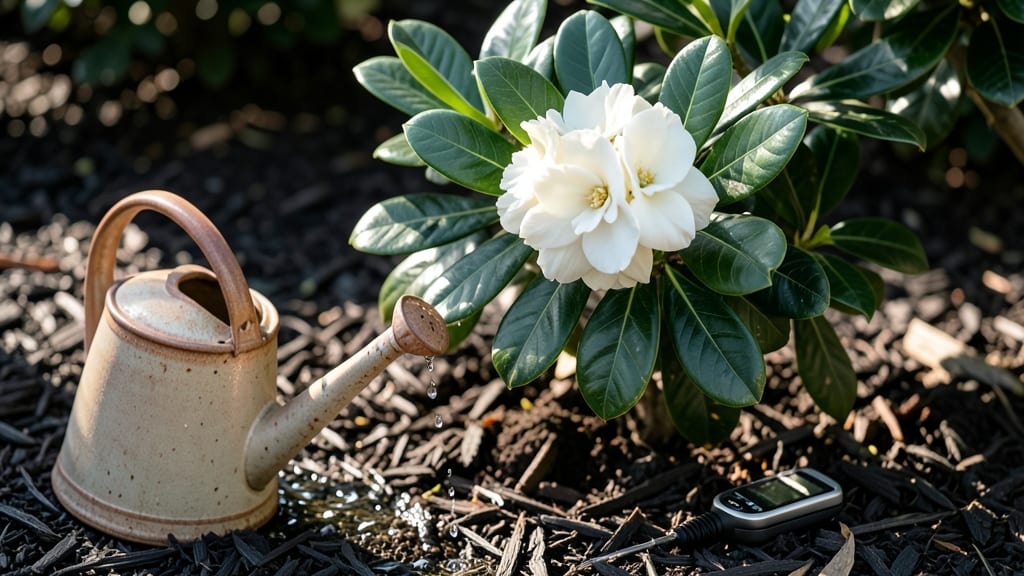
Do gardenias need a lot of water? The answer is yes—but it’s not as simple as drowning them in water 🌸 — too much or too little can spell disaster for those prized blooms.
Picture this: you’ve nurtured your gardenia for months, only to watch its leaves yellow and drop off because you assumed it needed a daily drink. Or maybe you’ve seen it struggle in dry spells, wondering if you’re not giving it enough.
The truth is, gardenias crave steady hydration, but they’re just as sensitive to soggy roots as they are to thirst.
In this guide, I’ll break down exactly how often to water your gardenia, how to tell if you’re overdoing or underdoing it, and the best tricks for keeping the soil just right—whether you’re growing it in a pot or in the ground. No more guesswork, just lush, fragrant blooms.
You’ll also learn how climate, pot size, and even the season can change your watering schedule, plus how to spot the early warning signs before your gardenia starts to protest. Let’s get those roots happy and healthy!
How much water do gardenias really need? The science behind their moisture requirements
Gardenias thrive in humid, tropical conditions, but their watering needs often spark confusion. While they do need consistent moisture, "a lot of water" isn't the right approach—think deep hydration rather than frequent shallow watering.
Their roots crave oxygen-rich soil, so soggy conditions quickly lead to rot. The key lies in understanding their natural habitat: moist but never waterlogged.
As a semi-tropical shrub, gardenias evolved in regions with high humidity and well-draining soils. This means they prefer their soil to stay evenly moist—like a wrung-out sponge—rather than bone-dry or swampy.
The root system is delicate, so overwatering suffocates it just as much as underwatering stresses it. Let's break down the science behind their hydration to help you master their watering routine.
Gardenias hate inconsistency—their roots establish best when they receive predictable moisture. The 1-2 inch soil test is your best friend: stick your finger into the soil after watering. If it feels dry at this depth, it's time to water.
This method prevents both overwatering (which causes root rot) and underwatering (which leads to leaf drop). Pro tip: Use a moisture meter for accuracy, especially in containers where soil dries faster.
Many gardeners mistakenly believe these plants need daily watering because of their tropical origins. However, deep watering every 2-3 days (or daily in peak summer) is more effective. When you water, soak the root zone thoroughly—aim for 1-2 gallons per plant for mature shrubs.
This encourages roots to grow deeper, making them more resilient. Shallow watering only wets the surface, leading to weak, shallow roots that struggle to support the plant.
The seasonal shift is where most gardeners trip up. During spring and summer, gardenias drink more due to higher temperatures and humidity. In fall and winter, their water needs drop significantly—sometimes as low as once a week.
This adjustment mirrors their natural dormancy period. Winter care is critical: reduce watering to prevent waterlogged soil, which can rot roots even in cold weather. Always water in the morning to allow foliage to dry before evening, reducing fungal risks.
Container gardenias require more frequent watering than in-ground plants because pots dry out faster. If your gardenia is in a 5-gallon container, check soil moisture daily during summer. Larger pots (15+ gallons) can stretch watering to every 2-3 days. Drainage holes are non-negotiable—without them, roots suffocate.
For extra insurance, add a 2-inch layer of perlite or orchid bark to the soil mix to improve aeration and drainage.
Humidity plays a huge role in gardenia watering. In low-humidity environments (like indoor settings or arid climates), gardenias lose moisture faster through their leaves. To compensate, increase humidity around your plant using a pebble tray, humidifier, or by grouping plants together.
This mimics their native tropical conditions and reduces the need for extra watering. In high-humidity areas, you can water slightly less frequently since the air retains moisture longer.
One of the most common mistakes is ignoring soil type. Gardenias despise heavy clay or compacted soil, which holds too much water and suffocates roots. Amend your soil with peat moss or compost to create a well-draining, acidic mix (pH 5.0-6.0).
If you're unsure about your soil's drainage, do the jar test: fill a jar with soil and water, then observe how quickly water drains. If it takes longer than 30 minutes, your soil is too dense.
Finally, let's talk about the visual cues that reveal your gardenia's hydration status. Yellowing leaves often signal overwatering, while drooping or crispy foliage usually means underwatering. However, leaf drop
Signs of overwatering vs. underwatering: how to save your gardenia before it’s too late
Gardenias thrive on consistent moisture, but their delicate roots can't handle extremes. Overwatering and underwatering both trigger distinct symptoms that often go unnoticed until it's too late. The key is learning to read your plant's subtle signals before yellow leaves or mushy stems appear.
Start by checking the soil texture—it should feel like a damp sponge, not bone-dry or waterlogged. Stick your finger 1-2 inches deep; if it's dry at this level, your gardenia needs water. But if it's soggy with a foul odor, you've crossed the line into overwatering territory.
Do Gardenias Need a Lot of Water?
- Encourages lush blooms and glossy leaves
- Supports tropical growth patterns
- Prevents bud drop in heat
- Risk of root rot in compacted soil
- Yellow leaves from nutrient leaching
- Fungal diseases like powdery mildew
Key Rule: Water when top 1-2 inches of soil are dry, never on a schedule!
Yellowing leaves are the first red flag, but pay attention to their location. Underwatered plants show yellowing starting at the tips, while overwatered gardenias develop yellow patches between veins. Drop leaves entirely signal severe stress—act fast by adjusting your watering routine immediately.
For underwatered gardenias, soak the root zone deeply until water runs from drainage holes, then let excess drain completely. Mulch around the base with 2-3 inches of organic material to retain moisture.
In contrast, overwatered plants need immediate drainage improvement—repot into fresh, well-draining soil and avoid watering until the top 3 inches feel dry.
Don't ignore leaf curl or stunted growth, both common in both extremes. The difference? Overwatered plants often have mushy stems at the base, while underwatered ones feel crispy when touched. Test soil moisture daily during extreme weather—your gardenia's survival depends on your ability to spot these differences early.
Remember: Morning watering is ideal as it allows foliage to dry before evening. If your gardenia's leaves start wilting by afternoon, it's a clear sign you're either overdoing or underdoing the water. Adjust gradually—never shock the plant with sudden changes.