
Vegetables
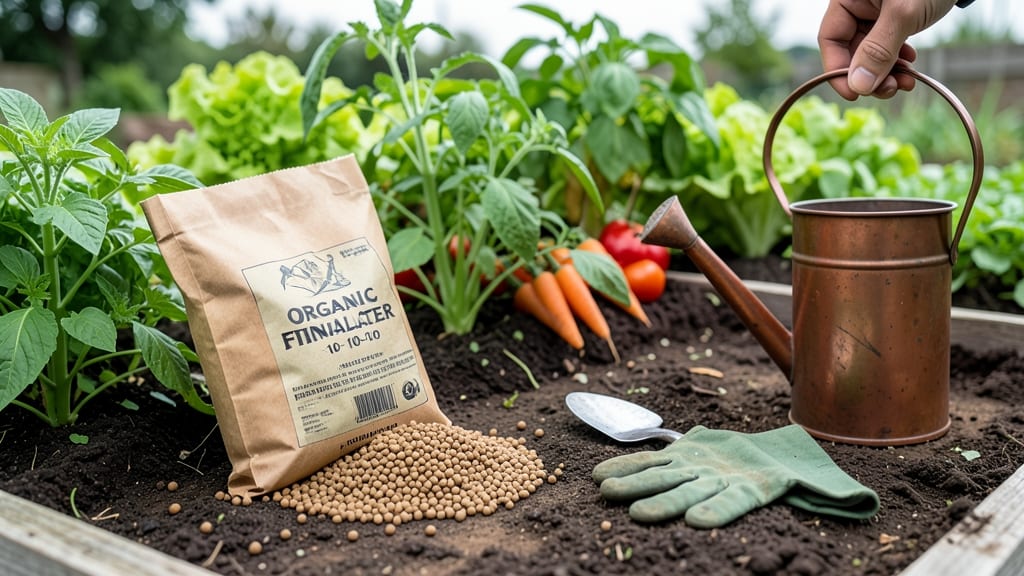
For a vegetable garden, you typically don’t need fertilizer if your soil is rich in organic matter from compost or well-rotted manure. Only use fertilizer when plants show deficiency signs like yellowing leaves or stunted growth, or when soil tests indicate low levels of essential nutrients like nitrogen, phosphorus, or potassium.
Healthy soil acts like a natural nutrient reservoir, breaking down organic materials over time to release essential minerals. 🌱 The key is building soil fertility through compost, which improves structure, water retention, and microbial activity—all critical for strong plant growth.
I’ve found that many home gardens thrive without synthetic fertilizers when they prioritize organic amendments and proper soil management.
Instead of relying on fertilizers, focus on soil-building practices like adding leaf mold, grass clippings, or kitchen scraps. These natural inputs create a balanced ecosystem where plants access nutrients as they need them.
For example, cover crops like clover fix nitrogen in the soil, while mulching helps retain moisture and suppress weeds—both reduce the need for additional fertilizers.
💡 In This Article
- How Soil Health Determines Fertilizer Needs
- Natural Alternatives to Fertilizer for Vegetable Gardens
How soil health determines fertilizer needs
Soil health is the foundation of any thriving vegetable garden, and it works like a living ecosystem where microorganisms break down organic matter into plant-available nutrients. When you add compost or well-rotted manure, these materials decompose through microbial activity, releasing nitrogen, phosphorus, and potassium gradually over weeks or months.
This slow-release process creates a steady nutrient supply that matches plant growth patterns—unlike synthetic fertilizers, which provide an immediate but short-lived boost. Healthy soil also holds moisture better, reducing stress on roots and improving nutrient uptake efficiency.
The texture and structure of your soil play a critical role too. Sandy soils drain quickly and hold fewer nutrients, while clay soils may compact and limit root penetration. Organic matter improves both by creating a crumbly, well-aerated structure that supports beneficial microbes and earthworms.
For example, a soil with just 5% organic matter can hold up to 20,000 gallons of water per acre while providing essential nutrients—far more than nutrient-poor soil.
The pH level matters as well: most vegetables prefer a slightly acidic to neutral range (6.0-7.0), where nutrients like phosphorus become more available to plant roots.
What most gardeners don’t realize is that soil microbes do most of the nutrient cycling work. A single teaspoon of healthy soil contains billions of bacteria and fungi that decompose organic materials and make nutrients accessible to plants.
This microbial activity is why compost tea or worm castings can be so effective—they introduce beneficial organisms that jumpstart nutrient cycling. In contrast, synthetic fertilizers bypass this natural process, providing nutrients directly but without the long-term soil benefits. 🌱
Here’s what to watch for: Plants grown in healthy soil often show vibrant green leaves, strong stems, and consistent growth without sudden spikes or crashes.
If you notice yellowing between leaf veins (a classic nitrogen deficiency) or purple stems (phosphorus deficiency), those are signs your soil isn’t providing enough nutrients naturally. In these cases, targeted organic amendments like blood meal (for nitrogen) or bone meal (for phosphorus) can help without disrupting the soil ecosystem.
Consider this comparison: A well-managed compost pile can produce enough nutrients for a 100-square-foot garden in a single season, while synthetic fertilizers require regular applications and can lead to nutrient imbalances over time.
The key is testing your soil every 2-3 years to monitor organic matter levels and pH—this data helps you decide whether natural amendments or fertilizers are needed. Many home gardens thrive with just compost and proper care, proving that nature’s nutrient cycle is often the most effective system.