
Flowers
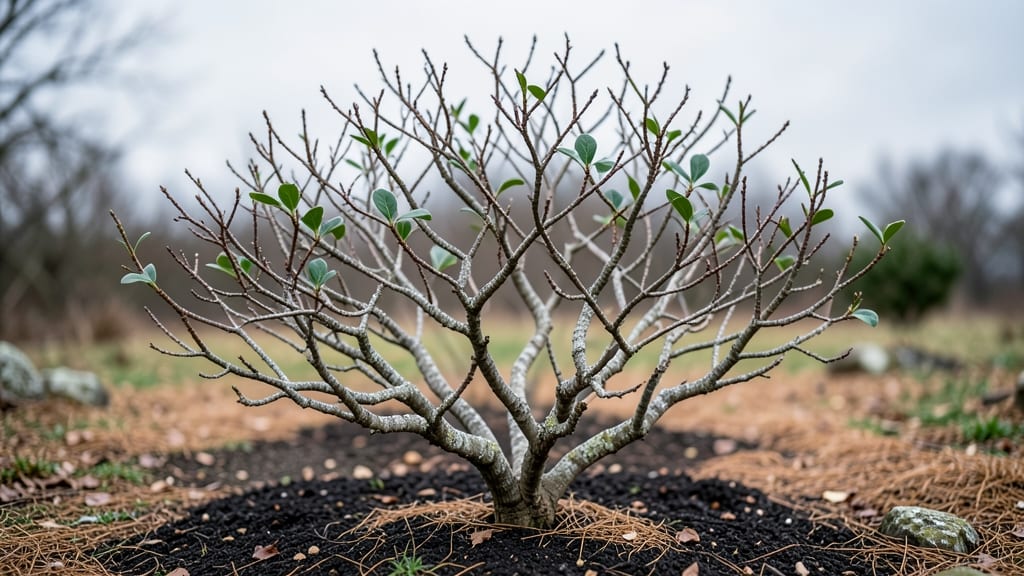
Gardenias in winter often look like they’ve vanished, but their dormant stages reveal subtle clues 🌸—from leathery leaves to hidden buds waiting for spring.
If you’ve ever wondered whether your gardenia plant has vanished or simply entered its winter slumber, you’re not alone—many gardeners struggle to recognize their beloved gardenias when they shed their signature blooms and glossy leaves.
Unlike some plants that drop all their foliage, gardenias in USDA Zones 7-10 may keep a few leaves or appear nearly bare, depending on your climate. The key is understanding their energy-conserving behavior: they’re not dead, just resting.
In this guide, I’ll walk you through how to spot a dormant gardenia—whether it’s holding onto a few leaves, showing bare stems, or hiding buds—and what care adjustments will keep it thriving for next season.
How to identify gardenias in winter: visual clues of dormancy
Winter can turn your vibrant gardenia shrubs into mysterious, leafless silhouettes, leaving you wondering if they’ve met an untimely end. The truth? Gardenias are simply conserving energy during dormancy—a natural survival strategy.
Understanding their winter appearance helps you distinguish healthy dormancy from trouble. These evergreen darlings slow down but rarely die back completely, making their winter look deceptively subtle.
As temperatures drop, gardenias shift into a low-maintenance mode, focusing energy on roots and hidden buds rather than flashy blooms. Their glossy leaves may thin out or yellow slightly, but the stems and bark reveal clues that your plant is alive and well.
Recognizing these signs ensures you don’t overreact to their winter "disguise" and instead provide the right care to set them up for a spectacular spring rebirth.
| Feature | Winter Appearance | What It Means | Action to Take |
|---|---|---|---|
| Leaves | Thin, sparse, or slightly yellowed | Natural dormancy or mild stress from cold | Monitor for pests; avoid fertilizing |
| Stems | Woody, brown, or slightly shriveled | Conserving moisture; not dead | Prune only dead branches in early spring |
| Bark | Rough or slightly cracked | Natural aging; healthy bark insulates roots | Apply mulch to protect bark from frost |
| Bud Formation | Small, tight buds at stem nodes | Preparing for spring blooms—sign of life! | Leave buds undisturbed; avoid pruning now |
| Root Activity | Slow but steady growth | Energy conservation for next season | Water sparingly; keep soil moist but not soggy |
One of the most telling winter signs is the presence of buds along the stems. These tiny, tightly packed formations are your gardenia’s secret weapon for spring.
Even if the leaves have thinned, these buds are a clear indication that your plant is alive and preparing for its next blooming cycle. In colder climates (USDA zones 7-9), you might see fewer buds, but they’re still there—just waiting for warmer temperatures to burst into life.
Another key feature to watch is the bark texture. Healthy gardenia bark develops a rough, slightly cracked appearance in winter. This isn’t a sign of disease but rather a natural adaptation to protect the plant from harsh conditions.
The bark acts like a thermal insulator, shielding the delicate inner layers from freezing temperatures. If the bark appears soft, mushy, or peeling excessively, it could signal fungal issues, but this is rare in dormant gardenias.
The stem condition also holds critical clues. While gardenia stems may look woody and less vibrant in winter, they should remain firm to the touch. If you notice stems that are mushy, hollow, or easily snap, it’s a red flag for root rot or pest damage.
However, a slight shrinking or browning of stems is perfectly normal—this is your gardenia’s way of conserving moisture until spring. Think of it as hibernation mode for your shrub!
Gardeners often panic when they see yellowing leaves in winter, but this is usually a sign of natural dormancy rather than distress. The leaves may drop more than usual, but don’t assume your plant is dead.
In fact, gardenias are semi-evergreen, meaning they retain some leaves year-round, especially in milder climates (like zone 10). If your gardenia is in a colder zone, expect more leaf drop, but the stems and buds will reveal its true health status.
To confirm your gardenia is truly dormant and not struggling, gently scratch a small area of the bark. If you see green cambium layer underneath, your plant is alive and well. This layer is the plant’s growth engine, and its presence means your gardenia is simply biding its time.
If the bark is completely gray and dry with no green underneath, it’s still alive but in deep dormancy—no cause for alarm unless combined with other concerning signs like wilting or mold.
Finally, pay attention to the soil and surrounding environment. Healthy dormant gardenias thrive in well-draining, slightly acidic soil (pH 5.0-6.0). If the soil around your plant feels waterlogged or smells foul, it’s a sign of overwatering, which can stress even dormant plants.
In winter, reduce watering to once every 2-3 weeks unless you’re in a frost-free zone (like zone 10), where you might water monthly. Mulching with 2-3 inches of organic material helps regulate soil temperature and moisture.
By recognizing these visual clues of
Do gardenias lose leaves in winter? Understanding seasonal shedding
Gardenias are often prized for their glossy, dark green leaves and fragrant blooms, but their winter appearance can leave gardeners puzzled. Unlike fully deciduous plants, gardenias are semi-evergreen, meaning they retain some foliage year-round in mild climates. However, they do shed leaves in winter—just not all at once.
In cooler USDA zones 7-9, gardenias may drop 30-50% of their leaves as a natural response to shorter days and lower temperatures. This shedding helps the plant conserve energy during dormancy. The remaining leaves often turn a muted olive-green or yellowish hue, signaling reduced metabolic activity.
In warmer Zone 10, gardenias may retain most of their leaves but produce far fewer blooms. The key difference lies in how much foliage they keep—never a complete loss—unless stressed by extreme cold or poor care.
⚠️ Warning Signs: When Leaf Drop Isn't Normal
- Sudden leaf drop (not gradual) may signal overwatering or root rot.
- Yellowing leaves before fall could indicate nutrient deficiency or pests like spider mites.
- No new growth by late winter may mean the plant needs winter protection (e.g., mulch or indoor relocation).
The timing of shedding varies by climate. In Zone 7, gardenias typically start dropping leaves in late fall (October-November) and may look nearly bare by winter. In Zone 9, shedding happens gradually over December-February, with leaves often persisting until spring.
To distinguish natural dormancy from disease or stress, check the stems. Healthy gardenias have firm, brownish stems with tight buds forming at the tips—signs of impending spring growth. If stems appear soft, black, or mushy, your plant may be suffering from fungal infection or bacterial rot.
Even in winter, gardenias aren't truly "dead"—they're simply conserving energy. Their roots remain active (though slowed) and continue absorbing moisture. This is why overwatering in winter is a common mistake that can drown dormant plants. Aim to water only when the top 2 inches of soil are dry.
With proper care, your gardenia will reward you with fresh dark green leaves and scented blooms by late spring. The key is patience and observation—trust the plant's natural cycle, and avoid interfering unless you spot clear signs of distress. 🌿