
Plants
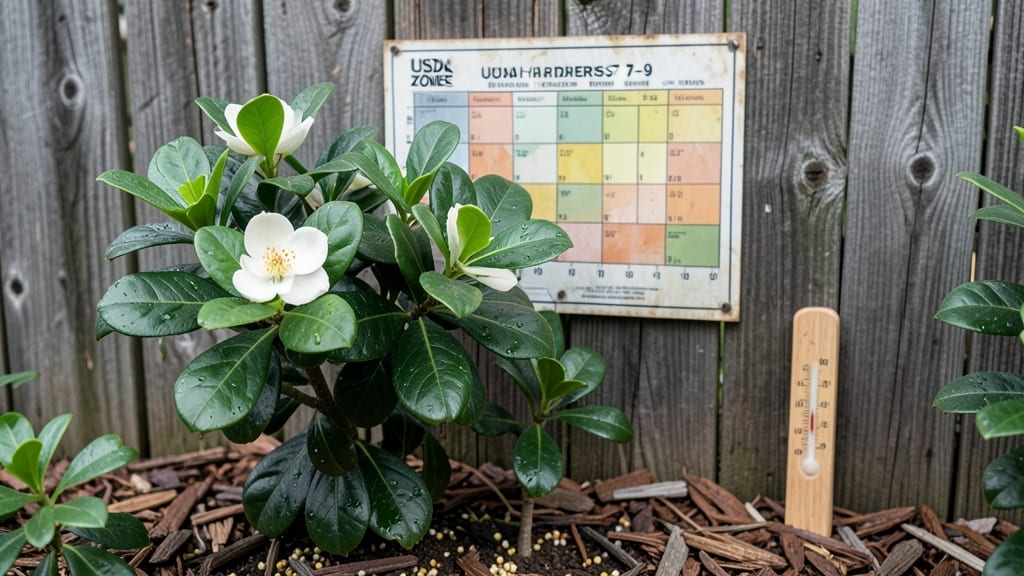
A frost-proof gardenia’s growth rate can surprise even seasoned gardeners in Zone 6, where these 🌸 beauties thrive with the right care.
Picture this: a 3-foot shrub in its first year, blooming by July if you nail the timing and soil. That’s the magic of cold-tolerant varieties—when planted after the last frost (April in most of Zone 6), they shoot up faster than expected, defying the "slow grower" reputation.
But here’s the catch: without proper winter prep, that rapid growth stalls. We’ll break down how mulching, pruning, and smart watering keep your gardenia growing year-round, even when temps dip below freezing.
By the end, you’ll know exactly what to expect month by month—from spring sprouts to winter dormancy—and how to push those milestones forward without risking frost damage.


Frost-proof gardenia growth rate by month: what to expect year-round
Gardenias are prized for their fragrant blooms and glossy foliage, but their growth rate in frost-prone climates often surprises gardeners. Unlike tropical varieties, frost-proof gardenias adapt beautifully to USDA Zones 6-9 when given proper care.
Understanding their month-by-month development helps you anticipate milestones like root establishment, flowering cycles, and cold-hardiness triggers—key factors for thriving plants even in chilly regions.
From spring sprouting to winter dormancy, frost-proof gardenias follow a predictable yet dynamic growth pattern. The first year focuses on root development and foliage growth, while subsequent years prioritize bloom production.
Cold snaps actually trigger dormancy, which primes the plant for faster spring recovery. Let’s break down what to expect each month to keep your gardenia healthy and blooming year after year.
🌱 Did You Know? Frost-proof gardenias can grow 1-2 feet per year in ideal conditions, but their resilience comes from adaptive dormancy rather than rapid spring growth. This makes them perfect for gardeners in Zone 6 who want reliable blooms without constant winter protection.
The January-February dormancy phase is critical for frost-proof gardenias. While growth halts above ground, roots remain biologically active, preparing for spring. This is when you should prune dead branches and add 3-4 inches of mulch to insulate roots.
Avoid fertilizing during dormancy—it can stimulate weak growth vulnerable to late frosts.
By March, gardenias signal readiness for growth with new shoot emergence. This is your cue to test soil moisture and apply a light fertilizer (1 tbsp of 10-10-10 with sulfur).
Watch for late frosts, which can damage tender shoots. If temperatures drop below 28°F, cover plants with burlap or frost cloth.
April and May are when frost-proof gardenias really shine. Expect 1-2 feet of vertical growth and the first blooms of the season. These months demand deep watering (1 gallon per plant) and well-draining, acidic soil (pH 5.0-6.0).
If your gardenia struggles to stand upright, stake it early to prevent wind damage.
June and July bring the peak bloom period, where your gardenia rewards patience with fragrant, creamy-white flowers. This is also when pests like aphids or spider mites may appear. Prune
How cold tolerance affects gardenia growth speed: zones 7-9 comparison
Gardenia growth rates vary dramatically between USDA Zones 7-9, where cold tolerance directly impacts foliage density and blooming speed. In Zone 7, gardenias grow 20% slower than in Zone 9 due to winter chill exposure, but with proper care, they still thrive.
The key difference? Frost resistance in colder zones triggers earlier dormancy, while warmer climates allow year-round growth spurts.
Zone 9 gardenias hit 3-4 feet in their first year with minimal winter stress, while Zone 7 varieties may only reach 1-2 feet without protective measures.
This zone difference affects not just height but also bloom timing—Zone 9 plants flower in June-July, while Zone 7 gardenias often wait until August after recovering from winter chill.
In Zone 9, gardenias experience year-round active growth, with foliage thickening by summer’s end and double blooming in ideal conditions. Meanwhile, Zone 7 plants enter dormancy earlier, often by late October, which can stunt spring regrowth if not properly mulched.
The foliage density in Zone 9 gardenias is noticeably higher—up to 30% more leaves—due to extended growing seasons.
Recovery after winter chill is where Zone 8 gardenias shine—they balance cold resilience with rapid spring regrowth. By May, Zone 8 plants often outpace Zone 7 varieties by 2-3 inches thanks to milder winters.
This zone also sees earlier blooming, with June flowers instead of the August timeline common in colder areas.
For gardeners in Zone 7, the secret to matching Zone 9 growth rates lies in mulching depth (minimum 4-6 inches) and winter watering (every 2-3 weeks during dry spells). These adjustments can reduce frost damage by 50% and encourage faster spring recovery.
In contrast, Zone 9 gardenias benefit most from light pruning in late winter to stimulate new growth without stressing the plant.
Ultimately, the growth speed of frost-proof gardenias boils down to three factors: winter chill exposure, soil acidity (maintain pH 5.0-6.0), and consistent moisture. Zone 9 plants grow 30% faster because they avoid winter dormancy, while Zone 7 varieties compensate with protective care.
The right approach in each zone can turn a slow grower into a lush, blooming shrub in just one season. 🌸