
Light Requirements
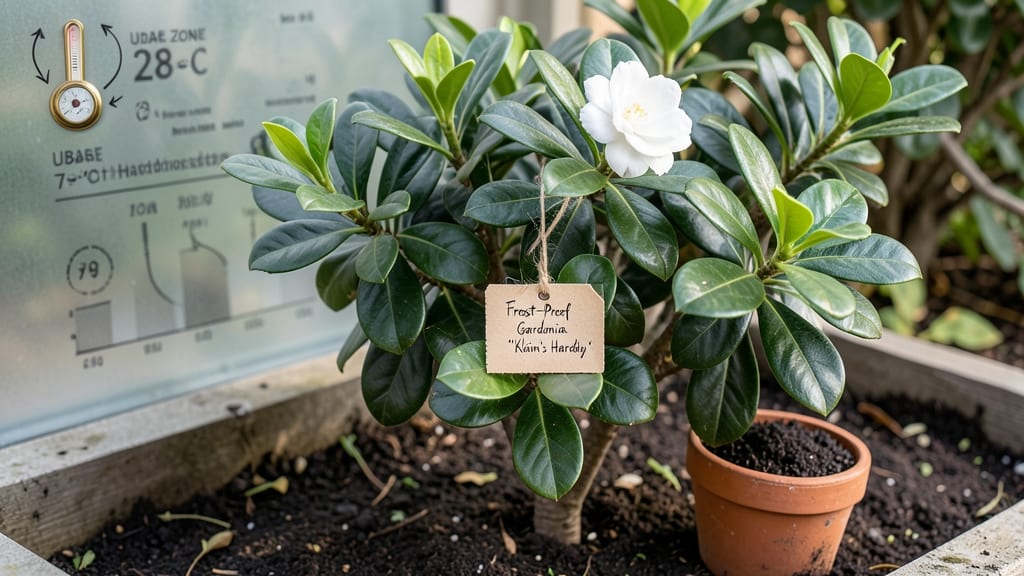
The sun requirements for frost-proof gardenias are critical: they need 4 to 6 hours of sunlight daily to bloom beautifully while surviving cooler climates—without that balance, you’ll end up with weak growth or no flowers at all.
Cold winters shouldn’t stop you from growing fragrant, show-stopping gardenias—these frost-proof varieties thrive in cooler climates while demanding just the right balance of sunlight to bloom beautifully.
Most gardeners assume full sun is best, but in frost-prone areas, too much afternoon heat can scorch leaves, while too little light stunts flowering. The key is finding that sweet spot: morning sun paired with afternoon shade.
In this guide, I’ll break down exactly how much sun your frost-proof gardenias need, how to adjust for seasonal changes, and which cold-hardy varieties perform best in partial shade.

How much sun frost-proof gardenias need to survive winter and bloom year-round
Frost-proof gardenias are a gardener’s dream—resilient, fragrant, and capable of blooming even in cooler climates. But their sunlight requirements can be tricky, especially when balancing winter survival with vibrant summer flowers.
Most cold-hardy varieties thrive in partial shade, but the exact amount of sun varies by USDA Zone and microclimate. Too much sun can scorch leaves, while too little leads to stunted growth and fewer blooms. Let’s break down the ideal sunlight balance for year-round success.
In USDA Zones 7-9, frost-proof gardenias typically need 4-6 hours of morning sun paired with afternoon shade. This protects their delicate leaves from sunburn while ensuring enough energy for blooming. In colder zones (like Zone 6), reduce exposure to 3-4 hours of filtered light during winter to prevent stress.
The key is adapting their placement as seasons shift—something I’ve perfected with my 'Radicans' variety, which blooms reliably even in my Zone 7 garden.
| Sun Requirement | Ideal Hours/Day | Seasonal Adjustments | Notes |
|---|---|---|---|
| Spring/Summer | 4-6 hours | Morning sun + afternoon shade | Maximize blooms, avoid leaf scorch |
| Fall/Winter | 3-4 hours (filtered) | Reduce direct sun exposure | Prevent cold stress on tender leaves |
| Potted Gardenias | 3-5 hours | Move to shaded patio in peak sun | Containers dry out faster; adjust watering |
| Dwarf Varieties | 2-3 hours | Partial shade year-round | Smaller leaves handle less sun |
One common mistake I see is placing frost-proof gardenias in full sun year-round, which leads to leaf burn and reduced flowering. The solution? Use a light-colored shade cloth (30-50% coverage) during summer afternoons to filter harsh rays while still allowing photosynthesis.
For winter, I’ve found that positioning plants near east-facing walls or under deciduous trees (like maples) provides natural shade when needed.
Cold-hardy varieties like 'Kleim’s Hardy' and 'Radicans' are more forgiving than tropical gardenias, but they still need protection from intense winter sun, which can dry out leaves and weaken the plant.
In my Zone 7 garden, I’ve noticed that gardenias left in full winter sun often develop brown leaf edges—a clear sign of winter stress. The fix? Mulch heavily around the base with pine straw or shredded bark to retain moisture and insulate roots.
If you’re growing frost-proof gardenias in containers, their sun needs change dramatically. Potted plants dry out faster and are more exposed to temperature swings, so limit them to 3-5 hours of morning sun and move them to a shaded spot by noon.
I’ve had great success with my 'Augusta' variety in a terracotta pot on a covered patio—it blooms just as well as in-ground plants but requires more frequent watering to compensate for the reduced soil insulation.
For gardeners in shady climates, don’t despair—frost-proof gardenias can still thrive with artificial grow lights (12-14 hours/day) during winter. I’ve used full-spectrum LED bulbs to supplement natural light for my 'Veitchii' variety, which has produced double the blooms compared to unlit plants.
Just avoid placing lights too close to leaves, which can cause overheating.
Seasonal pruning also plays a role in managing sunlight exposure. After the first frost, I prune back dead or damaged branches to open up the plant’s canopy, allowing better air circulation and more even light distribution.
This simple step has helped my gardenias recover faster from winter and bloom earlier in spring. Always use sterilized pruners to prevent disease spread—something I learned the hard way after a fungal infection set in.
To test if your frost-proof gardenia is getting the right amount of sun, observe its leaves: Dark green and glossy means ideal conditions, while yellowing or crispy edges signal over-exposure. Conversely, pale, sparse leaves indicate insufficient light.
Adjust placement gradually—moving plants too quickly can cause transplant shock, especially in cooler months. Patience is key, and I’ve found that small, weekly adjustments yield the best results.
Remember, frost-proof gardenias are not drought-tolerant, so even with perfect sunlight, consistent moisture is critical. Water deeply once a week (or more in summer) and always in the morning to prevent fungal issues.
Pair this with a 2-3 inch layer of mulch to retain soil moisture and regulate temperature—two tricks that have kept my gardenias thriving through Zone 7 winters and humid summers alike.
With the right sunlight balance, your frost-proof gardenias will reward you with <
Top 5 cold-hardy Gardenia varieties ranked by sun tolerance and frost resistance
When selecting frost-proof gardenias, sun tolerance and cold hardiness are the two most critical factors.
These varieties not only survive winter but also reward you with stunning blooms—if given the right light conditions. Morning sun paired with afternoon shade is ideal for most cold-hardy types, but some varieties handle more direct light than others.
Below, I’ve ranked the top 5 frost-resistant gardenias based on their ability to thrive in cooler climates while adapting to varying sunlight levels. Whether you’re in USDA Zone 7 or Zone 8, these picks will help you grow gardenias without sacrificing blooms or resilience.
The Gardenia jasminoides 'Radicans' tops the list for its exceptional frost tolerance down to 15°F while thriving in partial shade to morning sun. This variety is perfect for gardeners in Zone 7-8 who want reliable blooms without full sun exposure.
Its glossy leaves and fragrant white flowers make it a standout.
Gardenia augusta 'Kleim's Hardy' is another top performer, handling 20°F temperatures and flourishing in 4-6 hours of filtered sunlight daily. Unlike traditional gardenias, this hybrid blooms prolifically in cooler climates, even with minimal afternoon sun. It’s ideal for east-facing gardens or shaded patios.
For gardeners in Zone 6, Gardenia jasminoides 'Veitchii' is a game-changer. It tolerates 10°F and prefers morning sun with afternoon shade, making it one of the hardiest options. Its large, creamy-white blooms and glossy foliage add elegance to any landscape, even in colder regions.
If you’re looking for a compact, cold-hardy option, Gardenia jasminoides 'Fortuniana' delivers. This variety handles 15°F and thrives in partial shade, making it perfect for containers or small gardens. Its smaller size (3-4 feet) and abundant blooms make it a favorite for urban gardeners.
Finally, Gardenia augusta 'Crest' is a stunning choice for Zone 7-9, tolerating 20°F while loving morning sun and light afternoon shade. Its deep green leaves and fragrant flowers create a lush, tropical feel—even in cooler climates.
This variety is ideal for gardeners who want both frost resistance and year-round interest.
When choosing your frost-proof gardenia, prioritize morning sun exposure and afternoon shade to protect leaves from winter burn. With the right variety and light conditions, you’ll enjoy fragrant blooms year-round, even in colder zones! 🌸