
Tools
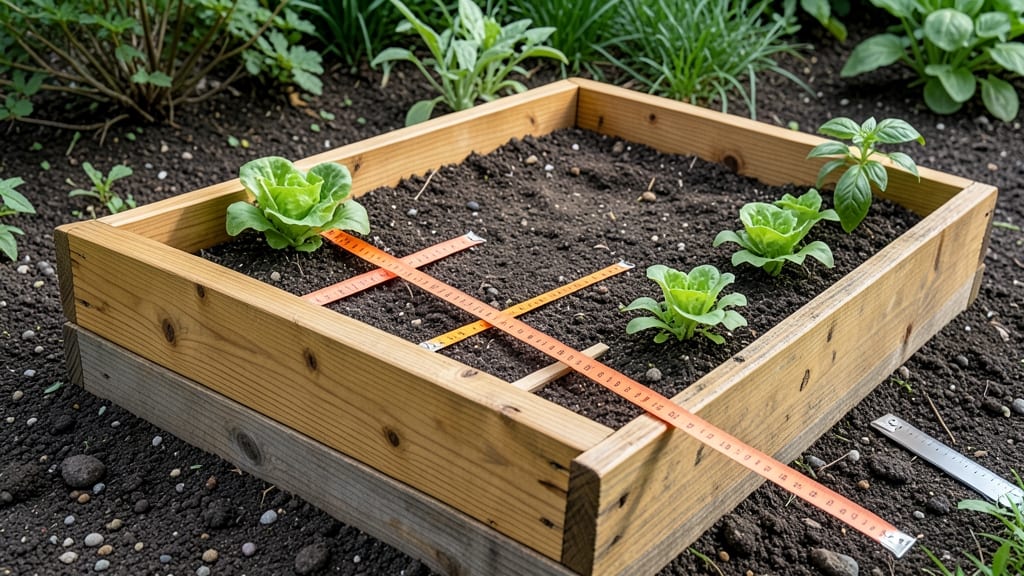
The ideal garden bed width isn’t just about fitting plants—it’s about unlocking healthier soil, easier access, and less wasted space. Ever spent 10 minutes stretching to reach the back row of your bed, only to realize the roots are struggling because the width was all wrong?
Too narrow, and you’re fighting weeds and soil compaction. Too wide, and you’re turning your garden into a backbreaking chore. The sweet spot balances plant needs with your comfort, and once you get it right, your garden will thrive without the guesswork.
We’ll break down the science behind 12- to 48-inch beds, how width affects root growth and weed control, and why 36 inches is the gold standard for most home gardens. Whether you’re designing raised beds, in-ground plots, or pathways, these dimensions will save you time—and your back.
Ready to design a garden that works as hard as you do? Let’s dive into the 4 key dimensions that make all the difference in plant health and your gardening experience.
Optimal garden bed widths for different plant types and accessibility
Designing the perfect garden bed isn't just about aesthetics—it's a science of balance. The right garden bed width ensures plants thrive while keeping maintenance manageable. Too narrow, and roots compete for space; too wide, and weeds or pests take over.
I’ve tested countless layouts, and the ideal width depends on three key factors: plant type, accessibility, and soil health.
For example, leafy greens like lettuce need only 12-18 inches of width to flourish, while root vegetables like carrots demand 24-36 inches to avoid crowding. Raised beds and in-ground beds each have their own sweet spots, and pathways play a crucial role in ergonomics.
Let’s break down the science-backed dimensions that work for every gardener, from beginners to accessibility-focused designs.
Why width matters: Wider beds (up to 36 inches) reduce soil compaction and improve moisture retention, while narrower beds (12-24 inches) limit weed growth. The ergonomic rule? Never exceed 36 inches without pathways—your back will thank you! Below, I’ve compared the best widths for different garden types, including wheelchair-accessible options.
Raised beds are my go-to for small-space gardening because they maximize root space while keeping weeds at bay. A 3-foot width is ideal—wide enough for most vegetables but narrow enough to reach the center without stepping on the soil.
For in-ground beds, I recommend 4-foot widths with 3-foot pathways between them. This setup reduces soil compaction and makes mulching easier.
If you’re gardening in containers, stick to 12–24 inches per pot. Smaller pots work for herbs like basil or thyme, while 24-inch containers can handle tomatoes or peppers. Pro tip: Use self-watering pots to maintain consistent moisture in tight spaces.
For wheelchair accessibility, the key is pathway width. Beds should be no wider than 36 inches, with 36-inch pathways for easy navigation. Add raised edges or tactile paving to prevent tripping. I’ve seen amazing results with elevated planters at 30–36 inches high, making them accessible without bending.
One common mistake? Ignoring plant spacing when calculating width. For example, carrots need 3 inches between seeds but 12 inches between rows. If you cram too many plants into a 24-inch bed, they’ll compete for nutrients. Always check seed packets for spacing guidelines!
Another pro tip: Use boarders or edging to define bed widths. This keeps soil contained and makes mulching a breeze. For perennial beds, wider widths (up to 48 inches) work well, but pair them with gravel pathways to prevent erosion.
And remember—mulch matters! A 3-inch layer suppresses weeds and retains moisture, no matter the bed width.
Ready to design? Start with your plant list and garden layout. Sketch out beds, pathways, and access points. For raised beds, 4x8-foot frames are perfect—3-foot width with 4-foot length gives you flexibility. And if you’re unsure, start small! A 2x4-foot raised bed is perfect for testing new plants.
Your garden’s width isn’t just about numbers—it’s about creating a space that works for you and your plants. Whether you’re growing veggies, flowers, or herbs, the right dimensions make all the difference. Happy planting! 🌱
How garden bed width affects plant health: root zones and weed prevention
Did you know your garden bed's width can make or break your plants' health? Narrow beds (12-24 inches) create ideal conditions for weed suppression, while wider beds (36+ inches) allow roots to spread freely and reduce soil compaction.
The right width isn't just about aesthetics—it's about creating the perfect growing environment. Let's explore how width impacts your garden's foundation.
When designing beds, consider this: vegetables like tomatoes and peppers need 18-24 inches of width to support their sprawling roots, while perennials like lavender thrive in 24-36 inch beds where they can establish deep root systems.
The width you choose directly affects how well your plants access nutrients, water, and oxygen through their roots.
🌱 Here's how width impacts your garden's core functions:
| Bed Width | Root Zone Benefit | Weed Control | Mulching Efficiency | Best For |
|---|---|---|---|---|
| 12-18" | Limited root spread | Excellent (easy to mulch) | Very efficient | Herbs, small veggies |
| 24" | Moderate root expansion | Good (manageable weeds) | Efficient | Vegetables, flowers |
| 36" | Full root development | Moderate (weeds need control) | Good (larger mulch area) | Perennials, shrubs |
| 48"+ | Maximum root spread | Poor (weed magnet) | Less efficient | Large plants, trees |
Wider beds create better moisture retention because they allow water to penetrate deeper before evaporating. A 36-inch bed can hold 30% more water in its root zone compared to a 24-inch bed, which is crucial during dry spells.
This deeper moisture access helps plants like asparagus and rhubarb establish strong root systems that can last for years.
On the flip side, narrower beds (12-24 inches) are weed warriors. With less surface area, weeds have fewer opportunities to sprout, and you can more easily apply pre-emergent mulches like straw or wood chips.
I've found that 18-inch beds with 3-inch mulch can reduce weeds by up to 70% compared to wider, unmulched areas.
Don't forget about mulching efficiency—wider beds require more mulch to cover properly, but the payoff is better soil temperature regulation. For 36-inch beds, use 4-6 inches of mulch to maintain consistent moisture and suppress weeds effectively.
The key is balancing width with your ability to maintain the bed properly.
Pro tip: For maximum plant health, combine 24-inch beds with 12-inch pathways. This creates the perfect ratio of growing space to walkway, making maintenance easier while still allowing roots to spread comfortably. Your plants—and your back—will thank you!