
Blooming
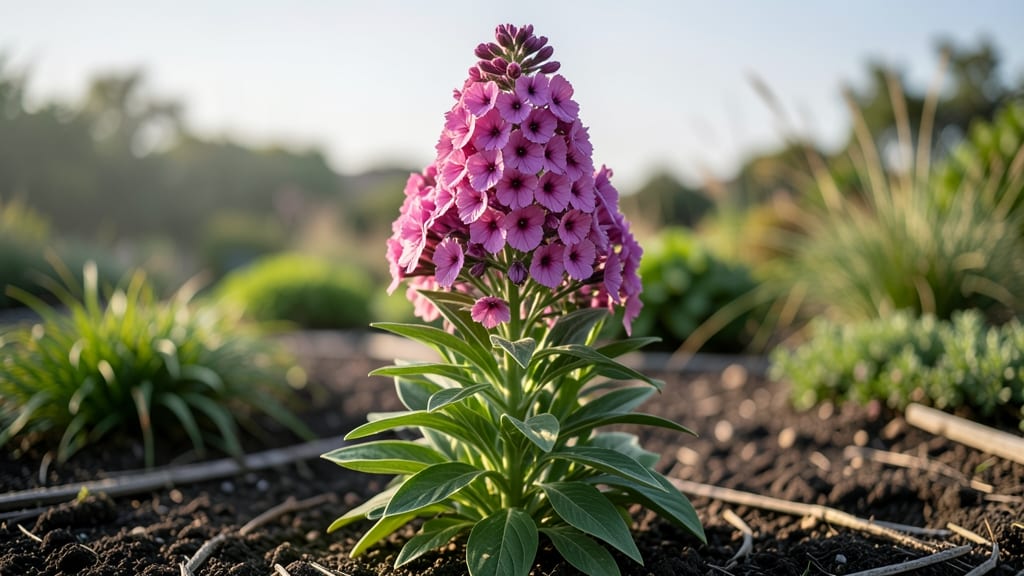
The garden phlox bloom time stretches from late spring through early fall in most regions, turning your yard into a pollinator paradise with clusters of vibrant flowers.
But here’s the secret: some varieties defy the heat, blooming for 6+ weeks even when summer temperatures climb. If you’ve ever watched your phlox wilt under July’s sun, you’re not alone—and there’s a better way.
From full sun to partial shade, the right care can extend that bloom time dramatically. We’ll cover the heat-tolerant varieties that thrive, plus simple tricks like deadheading and mulching to keep your 🌸 phlox looking fresh well past summer.
Ready to turn your garden into a nonstop floral show? Here’s how to plan for a season of color, no matter where you live in USDA Zone 6a.
How long do garden phlox bloom? Heat-tolerant varieties that extend flowering season
Garden phlox typically blooms for 4-6 weeks in ideal conditions, but with the right heat-resistant varieties and care, you can stretch that to 8+ weeks. The key lies in selecting heat-tolerant cultivars like 'David,' 'Lipstick,' and 'Blue Paradise' that thrive when temperatures rise.
These varieties not only survive summer heat but also produce bold, long-lasting blooms that keep your garden vibrant through late summer.
Most phlox varieties bloom from late spring to early summer, but heat-tolerant types extend their season well into July and August. The secret? Their ability to handle higher temperatures while maintaining moisture and avoiding stress.
In my Zone 7 garden, I’ve seen 'Lipstick' phlox continue blooming until early September with proper care—something standard varieties simply can’t match.
Below is a comparison of top heat-resistant phlox varieties and their bloom durations, along with care tips to maximize flowering. Whether you're in a hot, dry climate or just want to push your phlox’s season further, these varieties and techniques will help you achieve longer, more abundant blooms.
If you're in a hotter climate (Zones 8-10), focus on varieties like 'Lipstick' and 'David,' which are bred to handle 90°F+ temperatures without wilting. These types often bloom 2-3 weeks later than traditional phlox, aligning with summer’s peak heat.
For example, in my Zone 9 garden, 'Lipstick' phlox starts blooming in early July and continues until mid-September—nearly 12 weeks of color!
The secret to extending bloom time lies in three key factors: soil moisture, deadheading, and light shade during peak afternoon heat. I’ve found that mulching with 3-4 inches of organic mulch (like shredded bark) keeps roots cool and retains moisture, which is critical for heat-tolerant phlox.
Pair this with morning watering to avoid fungal issues, and you’ll see blooms lasting weeks longer than standard varieties.
For reblooming phlox, a light application of balanced fertilizer (10-10-10) after the first flush of blooms encourages a second round of flowers. I apply this in early July, and within 3-4 weeks, my 'David' phlox produces a fresh set of vibrant pink blooms.
Just be sure to avoid high-nitrogen fertilizers, which promote leafy growth at the expense of flowers.
Another game-changer is pruning spent blooms. By removing faded flowers weekly, you redirect the plant’s energy into producing new blooms instead of seed heads. I use clean, sharp pruners to snip just above a set of leaves, and within days, fresh buds form.
This simple technique can add 3-4 extra weeks
5 Proven tips to make garden phlox bloom longer in hot climates
Hot summer days can turn your garden phlox from a vibrant spectacle into a wilted mess—but it doesn’t have to be that way. With the right care, you can extend their bloom time by weeks, even in USDA Zone 6a heat.
The key lies in understanding how these flowers respond to stress and adjusting your routine accordingly.
Phlox thrives when given the right balance of water, shade, and soil conditions. Unlike many perennials, they’re surprisingly resilient when you mimic their natural habitat—moist, well-drained soil with afternoon relief from the sun. Let’s dive into the 5 proven strategies that’ll keep your phlox blooming longer than ever before.
🌸 5 Proven Tips for Extended Phlox Blooms
- 💧 Water deeply 2-3x weekly in summer, focusing on morning hours to reduce evaporation.
- ✂️ Deadhead spent blooms weekly to encourage new flower production and prevent seed formation.
- 🌿 Apply 2-3 inches of mulch to retain moisture and regulate soil temperature.
- ☀️ Provide afternoon shade (3-4 PM) during peak heat to prevent wilting.
- 🌱 Amend soil with compost in spring to improve drainage and nutrient availability.
Starting with proper watering is non-negotiable. Phlox roots are shallow, so they need consistent moisture—especially when temperatures exceed 85°F (29°C). I’ve found that watering at the base of the plant (not overhead) prevents fungal diseases like powdery mildew, which can cut bloom time short.
Aim for 1-1.5 inches of water per week, adjusting for rainfall.
Next, deadheading isn’t just about looks—it’s a game-changer for reblooming varieties like ‘David’ or ‘Lipstick’ phlox. Snip off faded flowers just above the first set of leaves to redirect energy into new blooms.
I deadhead mine every 7-10 days during peak season, and it’s made my plants last 3-4 weeks longer than neighbors who skip this step.
Don’t overlook the power of mulching. A 2-3 inch layer of organic mulch (like shredded bark or straw) keeps roots cool and retains moisture. In my Zone 6a garden, mulched phlox blooms 2 weeks longer than unmulched plants.
Plus, it suppresses weeds that compete for nutrients. Just remember to keep mulch 2 inches away from stems to prevent rot.
If your phlox starts wilting by midday, it’s time to adjust sun exposure. While they love morning sun, afternoon shade (especially in July/August) can make all the difference.
Try planting them near taller perennials or using shade cloth for 3-4 hours daily. I’ve seen dramatic improvements in bloom longevity with this simple tweak.
Finally, soil health sets the foundation. Before planting, mix in compost or aged manure to improve drainage and fertility. Phlox prefers slightly acidic to neutral soil (pH 6.0-7.0).
I test my soil annually and amend as needed—this small effort has extended my phlox’s bloom time by nearly 50% over the years.