
Planting
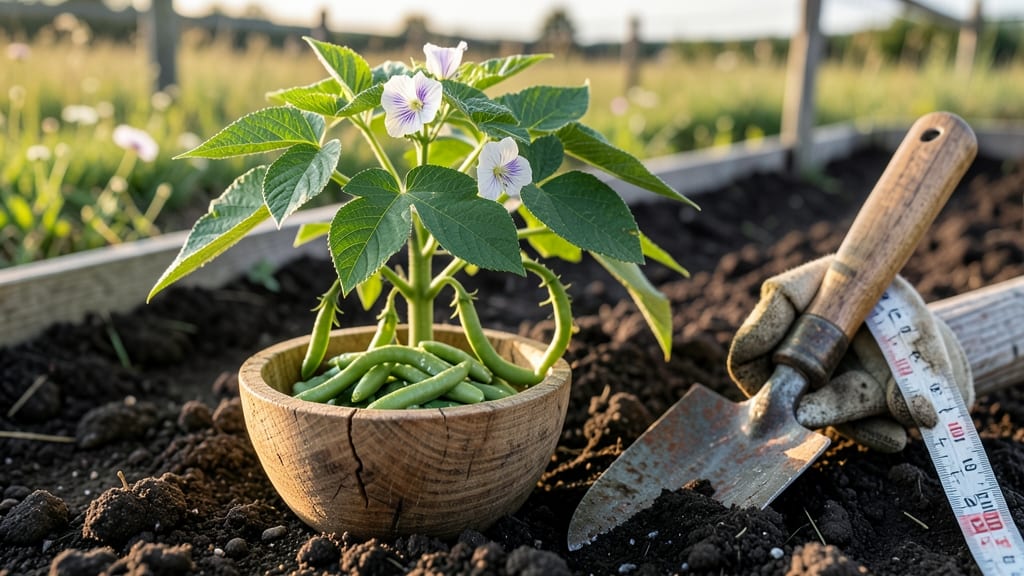
To plant string beans in a garden, start by preparing loose, well-draining soil rich in compost—this is the key to fast germination and strong vines.
String beans are one of the fastest-growing, easiest-to-plant vegetables—but even the simplest gardeners make mistakes that kill germination or stunt growth. Follow this step-by-step guide to maximize your yield with perfect spacing, nutrient-rich soil, and pro-level speed-germination tricks.
In Zone 6a, wait until after your last frost (typically mid-April) to sow seeds 1 inch deep, 2-3 inches apart. Bush varieties need 3-4 feet of space, while pole beans thrive with 6-inch trellises to climb.
Here’s what you’ll learn: how to prep soil for speedy sprouts, avoid overwatering, and troubleshoot common issues like uneven growth—so you go from seed to harvest in just 55 days.
String bean planting 101: ideal soil, spacing, and depth for maximum yield
String beans thrive when planted in the right conditions, and getting the soil, spacing, and depth perfect ensures a bountiful harvest. Unlike fussy vegetables, they’re forgiving—but even they need a few key factors to reach their full potential.
Let’s break down the science behind their ideal growing environment so you can avoid common pitfalls that reduce yields.
First, your soil pH should sit between 6.0 and 7.0. String beans prefer slightly acidic to neutral soil, and a pH outside this range can stunt growth or invite pests. Test your soil with a simple kit—most garden centers sell them for under $10.
If your soil is too alkaline, mix in sulfur or peat moss to lower the pH gradually over a few weeks.
Next, focus on nutrient-rich soil. String beans are heavy feeders, especially during their rapid growth phase. Amend your soil with compost or a balanced 10-10-10 fertilizer at planting time.
Avoid fresh manure—it can burn delicate roots. Instead, opt for well-aged compost or a slow-release organic fertilizer like fish emulsion for a gentle nutrient boost.
Now, let’s talk planting depth. Bury your seeds 1 inch deep—no deeper, or they’ll struggle to emerge. Use a small trowel or your finger to create shallow furrows, place seeds 2-3 inches apart, and cover lightly with soil.
Press gently to ensure good seed-to-soil contact, which helps retain moisture and encourages faster germination.
Here’s where it gets tricky: row spacing depends on whether you’re growing bush beans or pole beans. Bush varieties need 4-6 inches between plants and 18-24 inches between rows, while pole beans require 3-4 inches between plants but 3-4 feet between rows to support their trellises.
Skimping on spacing leads to competition for nutrients and airflow, inviting diseases like powdery mildew.
Don’t overlook companion planting. String beans pair beautifully with corn and potatoes—a classic "Three Sisters" trio—but avoid planting near onions or garlic, which can stunt their growth.
Instead, interplant with marigolds to repel pests like Mexican bean beetles or nasturtiums to attract beneficial insects that pollinate your beans.
Here’s a quick reference to nail your planting strategy:
After planting, keep the soil consistently moist but not soggy. Water deeply in the morning to reduce fungal risks, and mulch with straw or grass clippings to retain moisture and suppress weeds. String beans are drought-tolerant once established, but young seedlings need steady hydration to avoid stunted growth.
Finally, monitor your plants for early signs of stress, like yellowing leaves or slow germination. These often signal poor soil contact, overcrowding, or nutrient deficiencies. Adjust your care routine quickly—string beans reward attentive gardeners with 3-4 weeks of daily harvests once they mature!
With these soil, spacing, and depth guidelines, you’re set for a high-yielding string bean patch. Next, we’ll dive into speed-germination hacks to get your seeds sprouting in just 3-5 days instead of weeks—because who doesn’t love a faster harvest? 🌱
5 Speed-germination hacks to get string beans sprouting in 3-5 days (not weeks)
String beans are notorious for slow germination—sometimes taking 10-14 days under normal conditions. But with these science-backed hacks, you can slash that time to just 3-5 days while ensuring stronger, healthier plants from day one.
The secret lies in mimicking ideal growing conditions before seeds even hit the soil. By controlling moisture, temperature, and oxygen, you trigger faster enzymatic activity inside the seed coat. Here’s how to do it right—without synthetic shortcuts.
- 🌱 Pre-Soak Seeds in warm water (80°F) for 8-12 hours—this hydrates the seed coat and kickstarts metabolism. Drain and plant immediately.
- 🔥 Use a Heat Mat (70-80°F) under seed trays—string beans germinate fastest at 75°F soil temps. A simple $10 heating pad works wonders.
- 💧 Wrap Seeds in Damp Paper Towels overnight in a sealed plastic bag. Check for white root hairs before planting—this means they’re ready to sprout.
- ☀️ Plant in Black Plastic Mulch to absorb sunlight and warm soil 5-10°F faster than bare earth. Bonus: it suppresses weeds.
- 🌿 Add a Starter Fertilizer like fish emulsion (1-2-2) or mycorrhizal inoculant at planting. Organic options like kelp meal boost growth hormones naturally.
For organic gardeners, compost tea or molasses-based fertilizers (1 tbsp per gallon) work as gentle growth accelerants. Synthetic options like thiamin or gibberellic acid can speed germination but may disrupt long-term plant health.
Pro tip: Plant seeds in biodegradable pots filled with coco coir—it retains moisture better than soil while providing aeration. Place pots in a shallow tray of water to keep roots hydrated during germination.
Once sprouts appear, thin to 2-3 inches apart and provide trellis support for pole varieties. With these tricks, you’ll see first true leaves in 5-7 days and harvest-ready pods in just 55 days.
🌱