
Picking
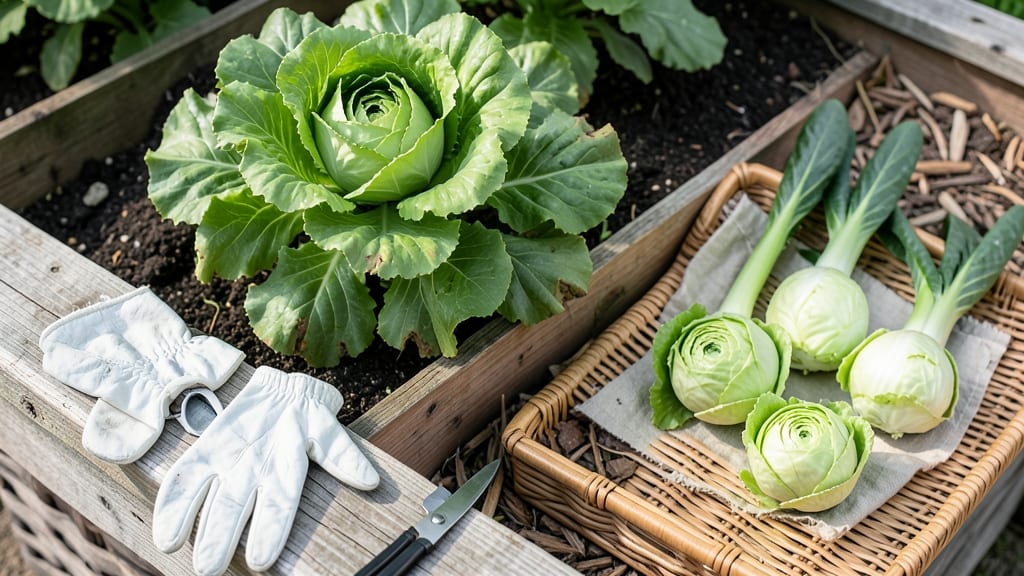
Garden lettuce is ready to pick when outer leaves reach 4-6 inches and feel firm but tender 🥬 — that’s the sweet spot for crisp, flavorful harvests.
Wondering why your lettuce keeps bolting before you get a single crisp leaf? Timing your harvest correctly is the secret to a steady supply of fresh, tender salad greens—without the bitterness or wasted effort.
Most varieties hit peak readiness in 45-60 days, but heat or overcrowding can speed up bolting. Morning harvests keep leaves crisp, and cutting outer leaves lets the plant regrow for weeks.
Below, I’ll show you how to spot the perfect leaf, when to stop picking, and how seasonal factors like spring warmth or fall chill affect your timing.


How to tell when lettuce leaves are perfectly ready to harvest
Harvesting lettuce at the right moment ensures crisp, flavorful leaves instead of bitter, tough ones. The key is watching for leaf size, color intensity, and texture—all signs your lettuce is primed for picking.
If you wait too long, you’ll end up with a bolt-resistant plant that turns woody or flowers prematurely.
For most varieties like butterhead or romaine, the ideal harvest window is when outer leaves reach 4-6 inches long. This size guarantees tender texture while leaving enough growth at the center for regrowth. Leaf lettuces like romaine can also be harvested whole once the head is firm.
Color is your next clue—vibrant dark green leaves signal maturity, while pale or yellowing leaves mean it’s past its prime. Crispness is another telltale sign: gently squeeze a leaf; if it springs back, it’s ready. Overly soft leaves suggest overwatering, while tough, fibrous ones mean you waited too long.
Timing matters too: harvest in the morning when leaves are hydrated and cool. Avoid picking after a hot day, as stress can trigger bolting—the plant’s way of flowering early. Seasonal factors also play a role: spring and fall crops mature faster than summer lettuce, which often bolts in heat.
Not all lettuce varieties play by the same rules. Loose-leaf types like oakleaf can be harvested repeatedly, while head lettuces like iceberg should be picked whole once the head is tight. For cut-and-come-again varieties, snip leaves 1 inch above the base to encourage regrowth—just avoid cutting into the center.
Watch for bolt-resistant signs like tall stems or flower buds, which mean your lettuce is shifting from leaf production to seed-making. This often happens in hot weather or when days lengthen in late spring. If you see these cues, harvest immediately or shade the plant to delay bolting.
For long-term growth, avoid picking more than 1/3 of the plant at once. Over-harvesting stresses lettuce, leading to bitterness or stunted regrowth. Instead, focus on outer leaves first, leaving the inner leaves to mature. This method keeps your lettuce productive for weeks.
Seasonal adjustments are key: in spring and fall, lettuce matures in 30–45 days, while summer crops may bolt in as few as 25 days. Use shade cloth in hot climates to extend the harvest window. Always prioritize morning harvests to preserve crispness and flavor.
If your lettuce tastes bitter, it’s a clear sign you waited too long. Bitter flavors develop as leaves age and convert sugars to lactucin, a natural compound.
For the sweetest, most tender harvests, pick when leaves are young and vibrant. With these cues, you’ll enjoy a steady supply of salad greens all season long.
Leaf-by-leaf harvesting guide: maximizing lettuce yield without bolting
Leaf-by-leaf harvesting is my go-to method for extending lettuce production by 3-4 weeks per plant. Instead of cutting the whole head, you snip just the outer leaves (about 1/3 of the plant), leaving the inner leaves to regrow.
This works best with loose-leaf varieties like Black Seeded Simpson or Buttercrunch, which tolerate regrowth better than romaine or iceberg.
The key is timing: harvest when outer leaves reach 4-6 inches and show vibrant color. If you wait too long, the plant will bolt (send up a flower stalk), making leaves bitter and unusable. Morning harvests keep leaves crisp, and always use clean, sharp scissors to avoid tearing.
-
Step 1: Wait for 4-6 inch outer leaves
Harvest only when outer leaves reach 4-6 inches—this ensures the plant has enough energy to regrow. Smaller leaves mean less yield and slower recovery.
-
Step 2: Snip 1/3 of the plant
Use clean scissors to cut leaves at the base, leaving the inner rosette intact. Avoid pulling leaves, which can damage the plant.
-
Step 3: Water deeply after harvest
Give the plant 1 cup of water (250ml) immediately after cutting to reduce stress. Water in the morning to prevent fungal growth.
-
Step 4: Fertilize lightly 1 week later
Apply 1 tbsp of 5-10-10 fertilizer per plant to encourage regrowth. Avoid high-nitrogen fertilizers in summer heat, which triggers bolting.
-
Step 5: Repeat every 7-10 days
Continue harvesting outer leaves until fall frost or when the plant starts bolting. Most varieties regrow 3-4 times with proper care.
For best results, avoid harvesting in peak summer heat (above 85°F/29°C), as this accelerates bolting. Instead, focus on spring and fall crops when temperatures stay 60-75°F (15-24°C). If your lettuce starts forming tight heads or yellowing leaves, it’s time to stop harvesting and let it mature.
Common mistakes that trigger bolting include overcrowding (space plants 12 inches apart), uneven watering (keep soil consistently moist), and harvesting too aggressively (never take more than 1/3 of the plant at once). With the right approach, you’ll enjoy continuous harvests for months!
Pro tip: Plant successive crops every 2 weeks to ensure a steady supply. Mix in shade-tolerant varieties like Oakleaf for summer growing, as they bolt later than heat-sensitive types.