
Pruning
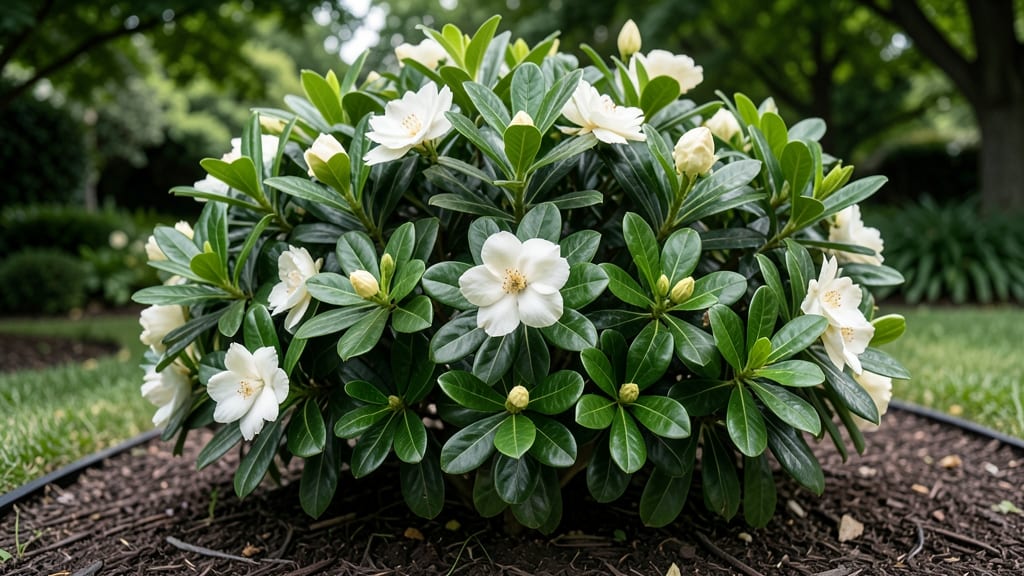
Controlling gardenia bush height is all about understanding its natural growth patterns and how pruning shapes them—because that 4–6-foot mature size can quickly outgrow even the roomiest patio.
If you’ve ever watched your 🌸 gardenia jasminoides stretch toward the sky like a skyscraper or sprawl into an unruly mess, you’re not alone. The key to keeping it lush and manageable isn’t just trimming willy-nilly—it’s timing, technique, and knowing which branches to encourage (or cut back).
Most gardenias reach their full height by year three, but dwarf varieties stay compact at just 1–2 feet, while standard types can hit 6 feet without intervention. Sunlight, soil acidity, and even your pruning tools play a bigger role than you might think.
In this guide, I’ll break down how to prune for the perfect height—whether you want a bushier look or a more upright shape—plus the 5 biggest mistakes that turn your gardenia into a jungle. Ready to take control?

Natural gardenia bush height: what to expect by variety and age
If you've ever wondered why your gardenia bush seems to grow taller overnight, you're not alone. These fragrant shrubs have natural height variations based on their variety and age, plus environmental factors like sunlight. Understanding these patterns helps you plan spacing and pruning strategies before overgrowth becomes an issue.
Most gardenias belong to the Gardenia jasminoides species, but even within this group, heights differ dramatically. Dwarf varieties stay compact at 1–2 feet, while standard types can reach 6 feet or taller when mature.
Sunlight exposure is the wild card—more direct sun accelerates vertical growth, while partial shade keeps plants bushier.
| Variety | Mature Height | Growth Rate (Yearly) | Sunlight Needs | Best For |
|---|---|---|---|---|
| Gardenia jasminoides 'Kleim's Hardy' | 3–4 ft | 12–18 inches/year | Partial shade (4–6 hrs sun) | Containers, small gardens |
| Gardenia jasminoides 'Radicans' | 1–2 ft (spreading) | 6–12 inches/year | Morning sun, afternoon shade | Borders, window boxes |
| Gardenia jasminoides 'Veitchii' | 4–6 ft | 18–24 inches/year | Full sun to partial shade | Privacy screens, hedges |
| Gardenia augusta | 6–8 ft (tropical) | 24+ inches/year | Bright indirect light | Indoor pots, tropical gardens |
| Gardenia jasminoides 'Fortuniana' | 2–3 ft | 10–15 inches/year | Partial shade | Foundation plantings |
Your gardenia's first-year growth is the most unpredictable. Seedlings or young transplants may only reach 1–2 feet, but by year two, they start their vertical climb.
For example, the 'Veitchii' variety can add 18–24 inches annually if given full sun, while 'Radicans' stays low and sprawling with proper shade.
Light exposure directly impacts height. A gardenia in full sun grows 30–50% taller than one in partial shade. This is why east-facing windows or morning sunlight work best—it provides enough light for blooms without scorching leaves.
If your plant stretches toward light, it's a sign it needs more shade to stay compact.
Age matters too. A 3-year-old gardenia typically hits its mature height range, meaning growth slows significantly. This is your cue to prune for shape rather than height control. For instance, a 4-foot 'Kleim's Hardy' will only gain another 6 inches per year after year three unless you fertilize heavily.
Soil acidity also plays a hidden role. Gardenias thrive in pH 5.0–6.5 soil, which supports root development. Alkaline soil (pH 7+) stunts growth, making plants appear shorter but weaker. Test your soil annually—low pH encourages both height and fragrant blooms, while high pH slows everything down.
If you're growing gardenias in containers, expect 20–30% shorter heights due to root restriction. Root-bound plants focus energy on filling their pots rather than shooting upward. Upgrade containers every 2–3 years to maintain healthy growth patterns and prevent stunted height.
Pro tip: Prune in late winter to shape young gardenias before their spring growth spurt. Cutting back 1/3 of new growth encourages bushier habits. For taller varieties, aim to remove upward-growing stems to redirect energy into horizontal branches that produce more flowers.
Remember, gardenia height isn't just about aesthetics—it's about bloom production. Taller plants may look impressive, but compact varieties often flower more abundantly because their energy isn't wasted on vertical growth. Choose your variety based on both space and scent goals!
Step-by-step pruning guide to control gardenia bush height
Pruning your gardenia bush isn't just about cutting back—it's about strategic shaping to maintain your desired height and bushiness. Gardenias naturally grow 4–6 feet tall, but with the right techniques, you can keep them compact and full.
The key is timing: prune at the right season to encourage either upward growth or bushier foliage.
Before you grab your shears, gather your tools: sterilized pruning shears, sharp bypass pruners, and rubbing alcohol (to clean tools between cuts). Safety first—always wear gloves to avoid skin irritation from gardenia sap.
Now, let’s dive into the seasonal pruning steps that will transform your gardenia into the perfect-sized shrub for your space.
🌿 Step-by-Step Pruning Guide
-
Step 1: Timing Matters
- Prune right after blooming (late spring/early summer) to encourage next year’s flowers.
- Avoid pruning in fall or winter—this delays spring blooms.
-
Step 2: Shape for Height Control
- To reduce height, cut back 1/3 of the tallest stems just above a leaf node.
- For bushier growth, trim outer stems to promote lateral branches.
-
Step 3: Deadhead Spent Blooms
- Remove wilted flowers by cutting the stem 1/4 inch above a leaf.
- This redirects energy to new growth instead of seed production.
-
Step 4: Sterilize Tools
- Wipe shears with rubbing alcohol before and after pruning to prevent disease.
- Avoid crushing stems—this can transmit fungal spores.
-
Step 5: Post-Pruning Care
- Water deeply after pruning to reduce stress.
- Apply mulch around the base to retain moisture and regulate soil temp.
💡 Pro Tip: Prune on a dry, overcast day to minimize stress on the plant.
Spring pruning is your chance to shape the gardenia’s future. Focus on removing crossing or weak branches first—they compete for nutrients and can stunt overall growth. If your gardenia is too leggy, prune back one-third of the oldest stems to encourage new, vigorous growth from the base.
For container gardenias, pruning is even more critical since root space is limited. Trim 1/4 to 1/3 of the plant’s height annually to prevent it from becoming top-heavy and unstable. Always prune just above a leaf node to encourage branching—never leave a stub!
After pruning, monitor your gardenia for signs of stress, like yellowing leaves or wilting. This could mean over-pruning or poor aftercare. If you see new growth emerging within 4–6 weeks, you’ve pruned successfully! The healthier the plant, the more vibrant the blooms will be next season.
Remember, gardenia pruning is a year-round commitment. Light maintenance pruning in late summer keeps the shape tidy, while deadheading throughout the blooming season ensures your gardenia stays compact and productive. With these steps, your gardenia will stay lush, fragrant, and perfectly sized for years to come. ✂️🌸