
Companion Plants
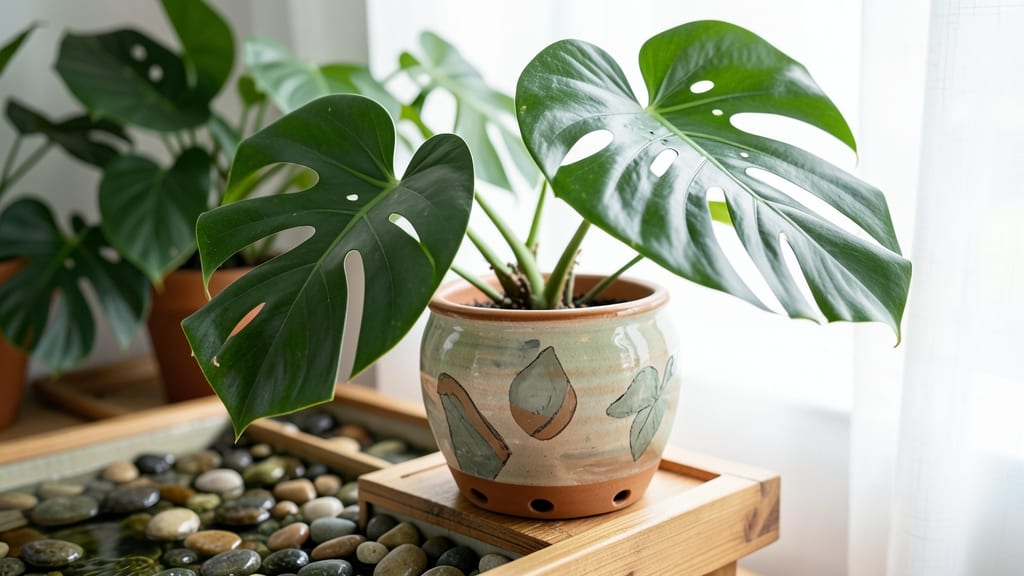
Gardening tropical plants indoors brings the lush vibrancy of a jungle 🌴 right into your home—but only if you nail the humidity.
Struggling to keep your tropical plants thriving indoors? The key isn’t just sunlight—it’s mastering humidity levels to unlock vibrant, jungle-like growth right in your home.
Without the right moisture balance, your bird of paradise leaves crisp at the edges and your monstera droops like a sad umbrella. Too much humidity, and mold takes over faster than you can say "root rot."
In this guide, I’ll break down the humidity hacks that actually work—from simple pebble trays to DIY humidifiers—so your tropical plants stay thriving year-round, no matter where you live.
How humidity levels directly impact tropical plant growth (and how to measure them)
If your tropical plants look more like sad office plants than lush jungle specimens, the culprit is likely humidity. These plants thrive in 60-80% humidity, mimicking their native rainforest homes. Without it, they struggle to absorb water and nutrients, leading to stunted growth and unsightly brown tips.
I’ve learned the hard way—my Monstera once looked like a deflated balloon until I cracked the humidity code!
Humidity affects every part of your tropical plants, from leaf health to root development. Low humidity causes transpiration stress, where plants lose water faster than they can absorb it through their roots.
This leads to crispy leaf edges and curled foliage. On the flip side, excessive humidity (above 80%) creates the perfect breeding ground for fungal diseases like powdery mildew and root rot.
Here’s the science: tropical plants have broad leaves designed to maximize water absorption in humid air. When humidity drops below 50%, their stomata (tiny pores) struggle to regulate moisture, causing wilting and nutrient deficiencies. Even airborne pests like spider mites thrive in dry conditions, further stressing your plants.
Don’t panic if your home’s humidity naturally hovers around 30-40%—most indoor spaces do. The good news? You can measure and adjust humidity with simple tools.
A hygrometer (as cheap as $10) is your best friend, but I’ll show you DIY methods too, like the classic glass test that’s been saving my ferns for years.
Key signs your tropical plants need humidity help:
- Brown leaf tips (especially on Calatheas and Philodendrons)
- Curled or crispy leaves (a classic under-humidification symptom)
- Yellowing foliage (often confused with overwatering)
- Slow growth or stunted new leaves
- Pests like spider mites or whiteflies (they love dry air)
To measure humidity like a pro, start with a hygrometer. Place it near your plants (not in direct sunlight) for accurate readings. For a DIY alternative, try the glass test: fill a glass with water, cover it with plastic wrap, and poke small holes.
Condensation on the inside? Your humidity is likely 60-80%. No condensation? Time to boost it!
If your hygrometer reads below 50%, don’t grab the spray bottle just yet. Misting can actually wash away nutrients and encourage fungal growth if overdone. Instead, try a pebble tray: fill a shallow tray with pebbles and water, then place your plant’s pot on top.
The evaporating water creates a microclimate of humidity around your plant’s roots.
For large tropical plants like Fiddle Leaf Figs or Bird of Paradise, a humidifier is a game-changer. Even a small, $30 unit placed near your plant collection can raise humidity by 20-30% instantly. Pro tip: Aim the humidifier toward the leaves, not the soil, to avoid over-saturating roots.
Seasonal changes can throw off your humidity game. In winter, indoor heating drops humidity to 20-30%, while summer AC can do the same. Grouping plants together creates a natural humidity boost—just ensure they’re all compatible (e.g., avoid mixing succulents with ferns!).
A humidity tent (a clear plastic bag with holes) works wonders for seedlings or delicate orchids.
Remember, airflow matters just as much as humidity. Stagnant, humid air is a recipe for fungus. Use a small fan on low setting near your plants to keep air circulating—this mimics the gentle breezes of a
10 Proven humidity hacks for different tropical plant types (from orchids to monstera)
Tropical plants like orchids and monstera thrive when humidity levels mimic their natural rainforest homes. Without proper moisture in the air, their leaves crisp, buds drop, and growth stalls. The good news?
Small adjustments can transform your home into a tropical paradise. I’ve tested these humidity hacks with my calatheas, philodendrons, and even finicky ferns—here’s what actually works.
Every plant has unique needs, so I’ve tailored solutions to specific types. For air plants and seedlings, a quick misting twice daily keeps them plump. Meanwhile, my monstera deliciosa thrives with a pebble tray under its pot.
The key is consistency—tropical plants detest dry air, but too much moisture breeds mold. Let’s dive into the plant-specific fixes that’ll save your greenery.
- 🌿 Ferns & Calatheas: Mist leaves daily with room-temperature water. Use a spray bottle early morning to avoid fungal spots.
- 🌺 Orchids & Philodendrons: Place pots on pebble trays filled with water and pebbles. Refill weekly to maintain 60-70% humidity.
- 🌴 Monstera & Pothos: Group plants together to create a microclimate. Add a humidifier nearby for large leaves.
- 🌱 Seedlings & Cuttings: Cover with plastic wrap or a humidity dome. Remove after roots establish (2-3 weeks).
- 🪴 Large Tropicals (e.g., Rubber Plants): Use a DIY humidifier—fill a tray with water, place a fan nearby to evaporate moisture.
For calatheas, I swear by the pebble tray trick. Fill a shallow tray with gravel or pebbles, add water until pebbles are just damp (not soggy), and place your pot on top.
The evaporating water creates a localized humid zone without overwatering. My rattlesnake plant (Calathea lancifolia) now sports vibrant new leaves—proof it works!
If you’re dealing with dry winter air, try a DIY humidity tent for seedlings. Cover a small group of plants with a clear plastic bag secured with rubber bands. Poke a few holes for airflow, and mist the inside daily.
This mimics the high humidity of a greenhouse. I’ve used this method to root monstera cuttings successfully—no fancy equipment needed!
Pro tip: Repurpose a spray bottle for daily misting, but avoid soggy leaves to prevent brown tips. For orchids, I’ve had luck with a terracotta pot—the porous material releases moisture slowly, keeping roots happy.
Pair this with a humidity tray for double the effect. Your phalaenopsis orchids will thank you with longer-lasting blooms.
Don’t overlook the power of grouping plants. Cluster your tropical collection together—like my monstera, pothos, and bird of paradise—to create a mini jungle. The transpiration from leaves increases humidity naturally.
Add a small humidifier or even a bowl of water near the group for extra moisture. This setup works wonders for large-leafed plants that need consistent humidity.
Remember, humidity isn’t one-size-fits-all. Test your air with a hygrometer (or a DIY glass test—condensation on the outside means humidity is too high). Adjust your methods based on your plants’ reactions. With these tropical plant hacks, your indoor jungle will thrive year-round—no greenhouse required! 🌴