
Container Gardens
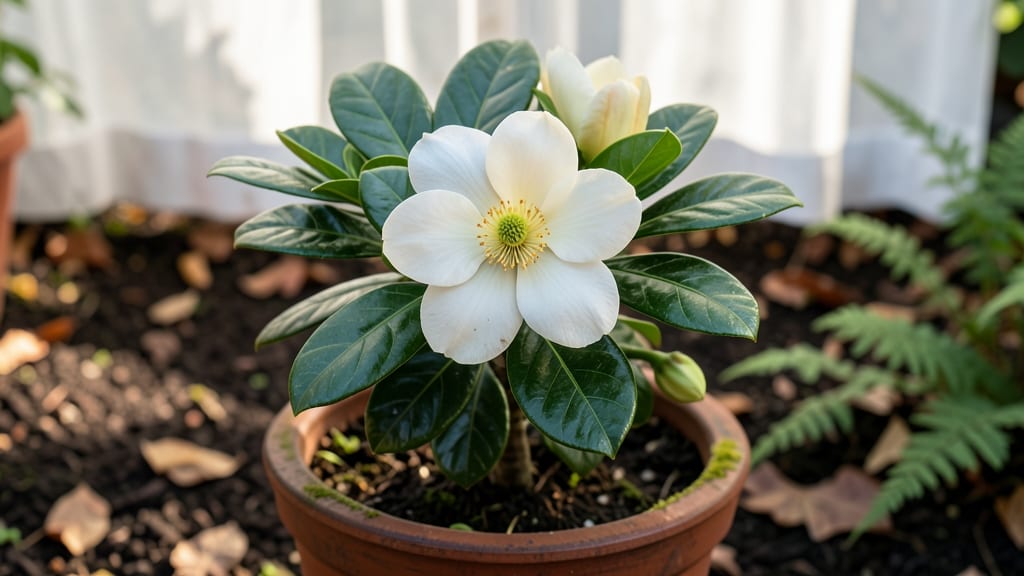
Growing gardenias in the right USDA zone 🌸 is the key to fragrant blooms that last all summer — and missing the window means struggling with weak plants or no flowers at all.
If you’ve ever planted one only to watch it wilt by summer, you’re not alone. The problem isn’t just soil or sunlight—it’s about matching your climate to the exact planting timeline for your zone.
From Florida’s Zone 10a to California’s Zone 9b, each region has a 30-day window where gardenias take root before the heat sets in. Get it wrong, and you’ll spend years waiting for those iconic white flowers.
Below, I break down the ideal zones, the perfect planting months, and how to cheat the system if you’re in a cooler climate. No more guesswork—just blooms.
USDA Zones where gardenias thrive (and when to plant them)
If you’ve ever dreamed of filling your garden with the intoxicating fragrance of gardenias, you’re not alone—but these tropical beauties are picky about their climate. Gardenias thrive in USDA Zones 7b through 11, where warm winters and high humidity create their ideal environment.
Planting them outside this range? You’ll likely face struggles with frost damage or poor blooming. The key isn’t just picking the right zone, though—it’s also timing your planting to align with your local microclimate.
In coastal areas like Zone 9b or 10a, gardenias can grow year-round with minimal stress, while inland regions in Zone 8a or 7b may need extra protection during winter. Even within the same zone, elevation and humidity play a role.
For example, a gardenia in Miami (Zone 11) will handle full sun, while one in San Diego (Zone 10a) might need afternoon shade to prevent leaf scorch. Let’s break down the best zones and the exact months to plant for maximum success.
🌱 Pro Tip: Gardenias hate transplant shock, so the best time to plant is during their natural dormancy period—just as new growth begins in late winter or early spring. This gives roots time to establish before the heat of summer.
| USDA Zone | Ideal Planting Month | Microclimate Notes | Winter Care |
|---|---|---|---|
| 7b–8a | March–April | Cooler inland areas; needs afternoon shade | Mulch heavily, use frost cloth |
| 8b–9a | February–March | Humid coastal regions; tolerates more sun | Minimal protection; prune lightly |
| 9b–10a | January–February | Tropical/subtropical; full sun to partial shade | None required; focus on watering |
| 10b–11 | December–January | Year-round growth; high humidity | None; may bloom year-round |
For gardeners in Zone 7b or 8a, timing is everything. Planting in March or early April ensures your gardenia’s roots establish before summer heat sets in. In these cooler zones, choose a south-facing wall or microclimate to trap heat and protect from late frosts.
If you’re in Zone 9b or warmer, you can plant as early as January, but avoid the hottest months—gardenias dislike the stress of extreme heat during establishment.
Coastal areas offer a unique advantage: maritime climates with mild winters and high humidity mimic gardenias’ native tropical environment. In Zone 10a or 11, you can even plant in December and expect blooms by early spring.
However, inland regions in the same zones may still need afternoon shade to prevent leaf burn. Always observe your gardenia’s leaves—if they start yellowing or curling, it’s a sign of too much sun or heat stress.
💧 Watering Wisdom: Newly planted gardenias need 1–2 gallons of water every 2–3 days during their first year. In Zone 10a and above, daily watering may be necessary during dry spells, but avoid soggy soil—gardenias hate "wet feet." Mulching with 2–3 inches of organic matter (like pine bark) helps retain moisture and mimics their natural forest-floor habitat.
One common mistake is assuming all gardenias are created equal. ‘Radicans’ and ‘Kleim’s Hardy’ are the most cold-tolerant varieties, making them better suited for Zone 7b. Meanwhile, ‘Veitchii’ and ‘Fortuniana’ thrive in Zones 9b–11 but may struggle in cooler climates.
Always check the specific variety’s hardiness before planting—it makes a world of difference in survival rates.
If you’re in Zone 8a or below, consider starting your gardenia in a large container and moving it indoors during winter. This gives you the flexibility to protect it from frost while still enjoying its fragrance year-round.
Just ensure the pot has drainage holes and use a well-draining, acidic potting mix (pH 5.0–6.5).
Finally, don’t overlook the power of acidic soil. Gardenias are heavy feeders and require regular applications of citrus-based or peat fertilizer (like 10-10-10 NPK) to encourage blooming.
In Zone 9b and above, fertilize every 4–6 weeks from spring to early summer, but reduce feeding in fall and winter to let the plant rest.
With the right zone, timing, and care, your gardenia will reward you with glossy leaves and fragrant blooms from late spring through fall. The secret? Respect its tropical roots—give it warmth, humidity, and a little shade, and it’ll thrive like it’s back in its native Southeast Asia.
Happy planting! 🌸
Gardenia planting timeline by region: month-by-month guide
Timing your gardenia planting is everything—especially when balancing USDA zones 7-11 and tropical vs. subtropical varieties. In Zone 9b (like Florida or Southern California), you’ll plant in February-March when soil warms to 65°F+.
But in Zone 7b (e.g., North Carolina), wait until April 15 after last frost to avoid root shock. The key? Soil temperature matters more than calendar dates!
For tropical gardenias (like Gardenia jasminoides), aim for late winter in warm zones. Subtropical varieties (e.g., Gardenia augusta) need earlier spring planting in Zones 8-9.
Coastal areas can plant 2 weeks earlier than inland—humidity helps roots establish faster. Always test soil pH (aim for 5.0-6.5) before digging!
- Zones 7b-8a: April 15–May 1 (after last frost; mulch heavily)
- Zones 8b-9a: March 1–March 15 (soil at 60°F+; acidic fertilizer ready)
- Zones 9b-10a: February 15–March 1 (tropical varieties; protect from wind)
- Zone 11: Year-round (but avoid rainy season; plant in dry months)
- All Zones: Prune dead blooms in June-July to encourage fall reblooming
First-year care starts immediately after transplanting. Water deeply 2x/week for the first month (more in Zone 10+ heat). Use 3 inches of mulch (pine bark or oak leaves) to retain moisture and acidify soil.
In Zone 7b, add burlap wraps around the base for winter insulation—this prevents root freeze even if temps dip to 20°F.
By June, your gardenia should show new growth. This is when you lightly fertilize (1 tbsp of 10-10-10 acid fertilizer) to support blooming. Zone 9b+ plants may flower by July, while Zone 7b gardenias wait until August.
The trick? Never let soil dry out—gardenia roots are shallow and drought-sensitive!
In September, reduce watering slightly (every 4-5 days) to harden off Zone 7b-8a plants for winter.
For containers, move pots to sheltered patios if nights drop below 50°F. Zone 10+ gardenias can stay outdoors year-round, but prune 1/3 of old wood in late winter to stimulate new blooms.
Pro tip: Mark your calendar for January 15—this is when you should prep soil for spring planting in Zones 7-9. Mix in peat moss and compost to create the acidic, well-draining bed your gardenia craves. Patience pays off: Year 2 plants bloom 2x heavier when planted on time!