
Tools
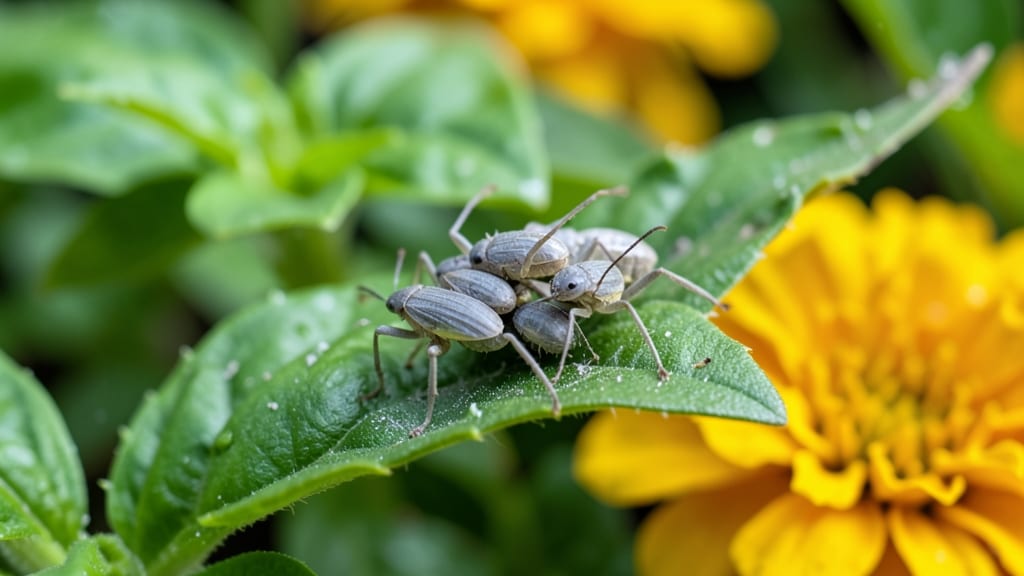
Gray bugs in your garden might seem harmless at first glance, but these tiny invaders can turn your thriving plants into a silent disaster if left unchecked.
Spotting gray bugs crawling through your garden isn’t just unsettling—it could mean your plants are under silent attack from pests that thrive in shadows. These often-overlooked invaders can devastate foliage, stems, and roots if ignored, yet many gardeners misidentify them or dismiss them as harmless.
From the tiny clusters of aphids clinging to new growth to the webby trails of spider mites, each gray pest leaves a unique fingerprint of damage. The key to protecting your garden lies in recognizing these signs early and knowing how to respond.
In this guide, I’ll walk you through five common gray garden pests, how to spot their damage, and the best organic and inorganic solutions to reclaim your plants—without harming your soil or local wildlife.
5 Common gray garden bugs and how to spot their damage
Gray bugs in your garden might seem harmless at first glance, but many of these pests can cause serious damage to your plants if left unchecked. From tiny spider mites to larger gray beetles, these invaders often hide in plain sight until their damage becomes visible.
The key to protecting your garden lies in early identification—knowing what to look for can save your plants from wilting, discoloration, or even death.
Many gardeners assume gray bugs are just part of the ecosystem, but some species can devour leaves, suck plant sap, or spread diseases. For example, gray aphids cluster on new growth, while mealybugs leave behind a cottony residue.
Understanding their habitats and damage patterns is the first step to regaining control of your garden. Let’s break down the five most common gray pests and how to spot their telltale signs.
| Bug Type | Size | Habitat | Target Plants | Damage Signs |
|---|---|---|---|---|
| Gray Aphids | 1-3mm | Underside of leaves | Rosemary, basil, peppers | Sticky honeydew, curled leaves |
| Mealybugs | 2-5mm | Cracks in bark, leaf axils | Citrus, succulents, ferns | White cottony residue, black sooty mold |
| Spider Mites | 0.5mm | Webbing on leaves | Tomatoes, beans, roses | Yellow stippling, fine webbing |
| Fungus Gnats | 1-2mm | Moist soil, potting mixes | Seedlings, houseplants | Wilting seedlings, larvae in soil |
| Gray Garden Beetles | 10-15mm | Nighttime feeders, leaf litter | Vegetables, flowers, fruit | Chewed leaves, holes in petals |
One of the most deceptive gray pests is the gray aphid, which often goes unnoticed until your plants start showing signs of stress. These tiny insects cluster on the undersides of leaves, feeding on sap and excreting sticky honeydew that attracts ants and encourages sooty mold growth.
If you spot yellowing leaves or a shiny residue on your plants, check the undersides for these pests.
Mealybugs are another common gray menace, recognizable by their cotton-like appearance. They thrive in warm, dry conditions and often hide in leaf axils or under bark. Their damage includes stunted growth and black sooty mold, which can suffocate your plants. Look for white fluffy patches on stems or leaves—this is a clear sign of an infestation.
Don’t overlook spider mites, which may appear gray or reddish under magnification. These microscopic pests create fine webbing on leaves and cause yellow stippling as they suck plant juices.
Unlike larger bugs, spider mites are often discovered too late, so inspect your plants regularly, especially during dry, hot weather, when they thrive.
Fungus gnats might seem harmless, but their larvae can devastate seedlings by feeding on roots. Adults are small, gray, and fly around potted plants, while larvae wriggle in moist soil. If your seedlings suddenly wilt or collapse, check the soil surface for tiny black larvae—they’re a sure sign of a fungus gnat infestation.
The largest of the gray bugs, gray garden beetles, are nocturnal feeders that chew through leaves and flowers. They’re often seen at dusk or dawn and leave behind ragged holes in foliage.
While they don’t kill plants outright, their feeding can weaken growth and make plants more susceptible to disease. Set out a white sheet with a light at night to spot them.
Early detection is your best defense against gray garden pests. Start by inspecting new growth and the undersides of leaves regularly. If you notice unusual markings, sticky residues, or stunted plants, act quickly.
The sooner you identify the pest, the easier it is to eliminate them before they cause irreversible damage
How to tell if gray bugs are harming your plants (and what to Do next)
Not all gray bugs are equally destructive, but knowing the warning signs of damage can save your garden before it’s too late. Start by examining your plants for unusual patterns like sticky residue, curled leaves, or tiny webs—these are classic clues that gray pests are at work.
For example, aphids leave behind a shiny, honeydew residue that attracts mold, while spider mites create fine webbing between leaves. Even slugs or snails (which are gray) leave behind telltale slime trails and irregular holes in foliage.
⚠️ callout warning
Overwatering to "flush out" pests like fungus gnats or aphids often backfires. Excess moisture creates the perfect breeding ground for these gray bugs, worsening the problem. Instead, focus on targeted removal and organic controls.
✅ Do: Use a stream of water to dislodge pests from leaves (early morning only).
❌ Don’t: Drench soil—this encourages root-dwelling pests like fungus gnats.
If you spot yellowing leaves or stunted growth, these are red flags that gray bugs are siphoning nutrients from your plants. For instance, mealybugs cluster in cottony masses, draining sap and causing leaves to curl and drop prematurely.
For immediate action, try neem oil spray (mix 1 tsp neem oil with 1 quart water and a drop of dish soap). Spray directly on infested areas in the early morning to avoid harming beneficial insects like ladybugs, which prey on these pests.
Introduce natural predators such as ladybugs, lacewings, or parasitic wasps to your garden. These predators feast on gray bugs like aphids and spider mites, providing a long-term, chemical-free solution.
🌱 For severe infestations, isolate affected plants and inspect the undersides of leaves and stem crevices—these are hotspots for gray pests. Remove heavily infested foliage and dispose of it in sealed bags to prevent spreading.
🌿 Key Takeaway: Act fast! Early intervention with neem oil, soapy water sprays, or natural predators can stop gray bugs before they cause irreversible damage. Monitor your plants weekly, especially during warm, humid months when pests thrive.