
Planting
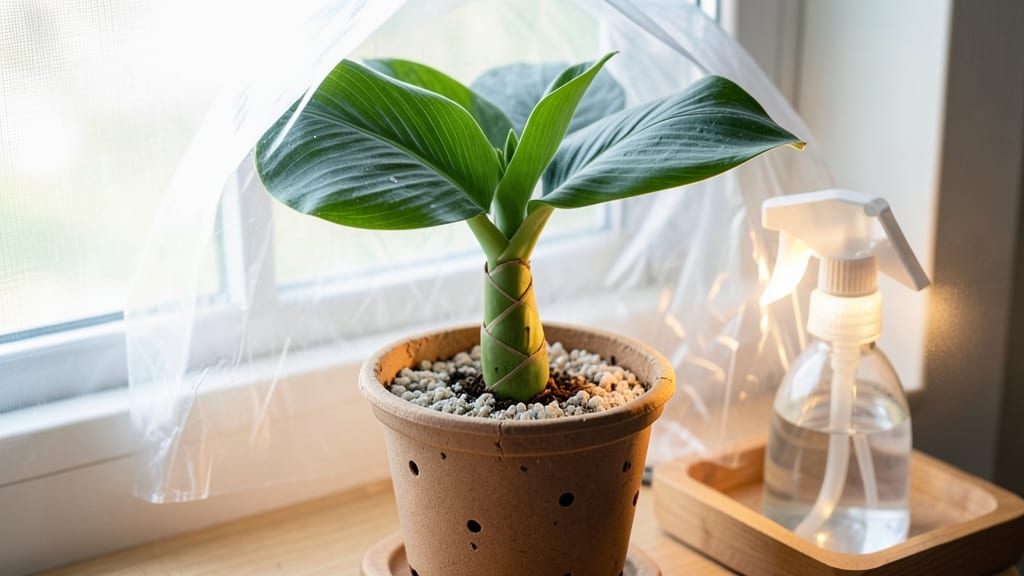
Growing a garden banana seed 🍌 is easier than you think—even if you’ve never tried it before, with the right steps you’ll have a thriving tropical plant in just a few months.
Picture this: a backyard full of lush, banana-like leaves that could one day produce your own fruit, right where you live. While grocery-store banana seeds rarely sprout (they’re treated to prevent germination), the right seeds—like those from a hardy garden banana variety—can thrive with patience and the right care.
From warm soil to bright sunlight, I’ll walk you through every stage—indoor germination, transplanting, and even troubleshooting common pitfalls like slow growth or yellowing leaves. Whether you’re in zones 10-12 or just experimenting in containers, this guide makes it simple.
By the end, you’ll know exactly how to give your garden banana the perfect start, so it grows tall, strong, and ready for harvest in 12-18 months—no tropical climate required.


How to germinate garden banana seeds indoors for faster growth
Garden banana seeds are finicky little things—they need just the right conditions to break their dormancy and sprout strong, healthy seedlings. With the right approach, you can achieve an 80%+ germination rate indoors, giving your tropical plant a head start before transplanting.
The key lies in mimicking their natural tropical environment while keeping everything controlled and cozy.
First, let’s address the elephant in the room: grocery-store banana seeds rarely germinate successfully. Those tiny black specks are often non-viable or require specialized treatment. Instead, source seeds from a reputable supplier or rescue them from organic, pesticide-free bananas (like plantains) that still have their seed clusters intact.
Once you’ve got viable seeds, we’ll walk through the exact steps to get them sprouting within 2-4 weeks.
Why indoor germination? Starting seeds inside gives you control over temperature, humidity, and light—critical factors for tropical plants. Without these, your seeds may rot, mold, or simply refuse to sprout. Plus, seedlings get a 3-4 week advantage before outdoor temperatures swing too cold or hot. Let’s dive into the step-by-step process to maximize your success.
Step-by-Step Garden Banana Seed Germination
-
1
Prepare Your Seeds
Soak seeds in lukewarm water for 24-48 hours to soften the hard outer shell. Change water daily to prevent mold. Use a fine mesh bag or paper towel to contain them. -
2
Sterilize Your Growing Medium
Fill seed trays with a mix of 50% peat moss and 50% perlite (or coconut coir for eco-friendly option). Sterilize with a 10-minute bake at 200°F to kill fungi and bacteria. -
3
Plant the Seeds
Plant 2-3 seeds per cell (1/4 inch deep) in the tray. Label cells with the planting date. Keep soil moist but not soggy—think damp sponge, not swamp. -
4
Create a Humid Environment
Cover the tray with clear plastic wrap or a humidity dome. Place under grow lights (or near a south-facing window) for 12-14 hours of light daily. Maintain 80-90% humidity with a spray bottle if needed. -
5
Control Temperature
Keep the tray on a seedling heat mat set to 80-85°F. Use a thermometer to monitor—banana seeds need warmth to germinate. Avoid drafts or cold windowsills. -
6
Monitor for Sprouts
Check daily for tiny white roots or sprouts (usually 2-4 weeks). Once sprouts appear, remove the plastic wrap gradually to acclimate seedlings to air over 3-5 days. -
7
Thin Seedlings
Once seedlings have 2-3 true leaves, thin to the strongest seedling per cell. Snip the others at the soil line with clean scissors to avoid disturbing roots. -
Best soil conditions and climate requirements for outdoor planting
Your garden banana seed 🍌 thrives in conditions that mimic its tropical roots, but with the right adjustments, you can grow it successfully in USDA zones 9-11.
The key is replicating its natural environment—warmth, moisture, and rich soil—while protecting it from frost. In cooler zones, container growing with frost blankets works wonders.
Start with a well-draining soil mix that’s slightly acidic to neutral, ideally between pH 5.5-7.0. Garden bananas hate soggy roots, so amend heavy clay with compost and perlite to improve aeration.
If your soil tests high in acidity, add a handful of lime per planting hole to balance the pH.
Requirement Specification Soil Type Loamy, well-draining pH Level 5.5–7.0 (slightly acidic to neutral) Sunlight Needs 6+ hours of full sun daily Temperature Range 65–85°F (18–29°C) Watering Needs Deep watering 2–3 times per week Hardiness Zones 9–11 (use containers in cooler zones) For outdoor planting, choose a sunny, sheltered spot where your banana can bask in 6+ hours of direct sunlight daily. Morning sun is ideal to prevent leaf scorch, but afternoon shade helps in hotter climates.
If you’re in zones 8 or below, plant in large containers (15+ gallons) and bring them indoors when temperatures drop below 50°F (10°C).
Bananas love consistent moisture, so mulch around the base with 3–4 inches of organic mulch (like straw or wood chips) to retain humidity and suppress weeds. Water deeply 2–3 times per week, ensuring the top 6 inches of soil stay moist but never waterlogged.
In containers, check soil moisture daily—small pots dry out faster.
Adjust for your microclimate: if your area has hot, dry summers, provide afternoon shade and increase watering. In humid zones, improve airflow to prevent fungal diseases like black sigatoka.
With these conditions met, your garden banana will grow 3–5 feet in its first year and reach full height in 2–3 years.
Pro tip: Monitor your plant’s leaf color—yellowing leaves often signal overwatering or nutrient deficiency, while brown tips mean low humidity or salt buildup. Adjust care accordingly, and your banana will thrive year-round!