
Size
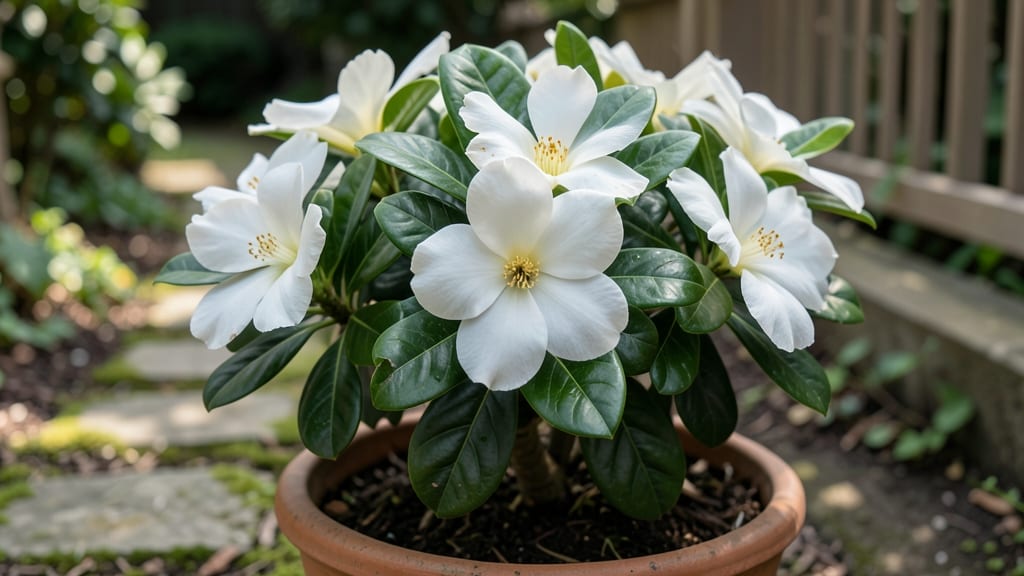
Gardenias grow to sizes that can range from compact 2-foot shrubs to towering 6-foot giants, depending on the variety and care you provide.
If you're dreaming of fragrant, glossy-leaved gardenias but wondering whether they'll dwarf your garden or thrive as a statement plant, you're not alone. The truth is, their mature dimensions are all over the map—from patio-friendly dwarfs to backyard standouts.
The key lies in choosing the right variety for your space and understanding how pruning and sunlight shape their growth.
Standard gardenias like 'Radicans' can reach 4–6 feet tall with a spread of 3–5 feet, while dwarf varieties such as 'Kleim's Hardy' stay under 3 feet—perfect for containers or small gardens.
Even within the same species, factors like pruning frequency and soil acidity can push a plant toward its maximum size or keep it neatly trimmed.
Below, I’ll break down the height ranges by variety, share pruning secrets to control growth, and recommend the best fits for your garden—whether you want a fragrant hedge or a single showstopper 🌸.


Gardenia shrub height ranges by popular varieties (with mature size estimates)
Choosing the right gardenia variety means understanding their mature size—some stay compact enough for containers, while others become towering backyard stars. The height range of gardenias varies dramatically, even among popular cultivars, so let’s break down the specifics to help you plan your garden layout or container choices.
From dwarf gardenias that top out at 2 feet to standard varieties reaching 6 feet, each type has distinct growth habits. Spread width also plays a role in spacing—some varieties grow wider than they do tall, while others maintain a balanced shape.
Below, I’ve organized the most common gardenia types by their typical mature dimensions.
Pro Tip: Always check your nursery’s specific variety tags, as grafted gardenias or hybrid crosses can sometimes exceed standard size ranges. Climate conditions also influence growth—warmer zones may see faster, fuller growth compared to cooler regions.
If you’re working with limited space, the Radicans or Florida varieties are ideal—they stay under 3 feet tall and wide, making them perfect for container gardening or small patios. Their compact growth habit also means less pruning, which is a bonus for busy gardeners.
For statement plants, the Veitchii variety can become a tropical focal point, but its rapid growth means you’ll need to plan for regular pruning to control its spread. This variety thrives in USDA Zone 10+, where it can reach heights of 8 feet or more without intervention.
Key Takeaway: Most gardenias take 3–5 years to reach their mature height, so be patient if you’re growing from a young plant. Pruning in late winter encourages bushier growth and helps maintain your desired size—whether that’s a tidy hedge or a wild, lush shrub.
For urban gardens or balconies, consider dwarf varieties like Mystery or Florida. They’re just as fragrant but won’t overwhelm your space. Pair them with acid-loving companions like azaleas or camellias for a cohesive look.
Remember: Soil acidity (pH 5.0–6.0) and sunlight exposure (morning sun, afternoon shade) directly impact growth. Over-fertilizing can lead to excessive leafy growth at the expense of blooms, so stick to a balanced 10-10-10 fertilizer applied every 6–8 weeks during the growing season.
Need a quick reference
How pruning and care affect gardenia shrub size (and how to control growth)
Pruning is the single most effective way to control gardenia shrub size, but it’s not just about cutting branches—it’s about encouraging healthy growth patterns.
I’ve learned that timing matters: prune too early, and you risk stunting blooms; wait too long, and you may end up with unruly, leggy growth. The key is balancing size control with flower production, which gardenias are famous for.
Beyond pruning, soil conditions and sunlight exposure play critical roles in shaping your gardenia’s growth. For example, gardenias in full sun tend to grow taller but may need more frequent pruning, while those in partial shade often stay more compact.
I’ve also noticed that acidic soil (pH 5.0-6.0) promotes lush, vigorous growth, while alkaline soil can lead to stunted plants.
Here’s how to manage your gardenia’s size through pruning techniques and care adjustments, step by step:
- Prune right after flowering (late spring to early summer) to avoid cutting off next year’s blooms. This timing encourages compact growth while maintaining flower production.
- Avoid heavy pruning in fall or winter, as gardenias need time to recover before spring growth.
- Cut back 1/3 of the plant’s height annually to maintain shape and encourage bushiness. Use clean, sharp pruners to avoid damaging branches.
- Remove dead or crossing branches first to improve airflow and reduce disease risk. This keeps the plant healthy and compact.
- For dwarf varieties, limit pruning to light shaping—over-pruning can stunt growth entirely.
- Place gardenias in morning sun with afternoon shade to control height. Too much sun can lead to taller, leggier growth.
- Amend soil with peat moss or pine bark to maintain acidity. Test soil pH annually—gardenias hate alkaline soil.
- Use a balanced, acid-loving fertilizer (10-10-10) every 4-6 weeks during spring and summer to fuel growth without overfeeding.
- Avoid fertilizing in fall or winter—this encourages dormancy and prevents uncontrolled growth.
One mistake I’ve seen gardeners make is over-pruning young gardenias, which can delay blooming for years. Instead, focus on light shaping in the first few years and gradually increase pruning as the plant matures.
For large gardenias, I recommend pruning in stages over 2-3 years to avoid shocking the plant.
If your gardenia is growing too tall, try pinching back tips in early spring to encourage branching. For spreading varieties, prune the outer branches to keep the shape rounded and contained.
With the right care, even standard gardenias can be kept manageable in containers or small gardens.
Remember, patience is key. Gardenias grow slowly, so don’t rush pruning—let them establish first. With consistent care, you’ll have a fragrant, well-shaped shrub that fits perfectly in your garden. 🌸