
Watering
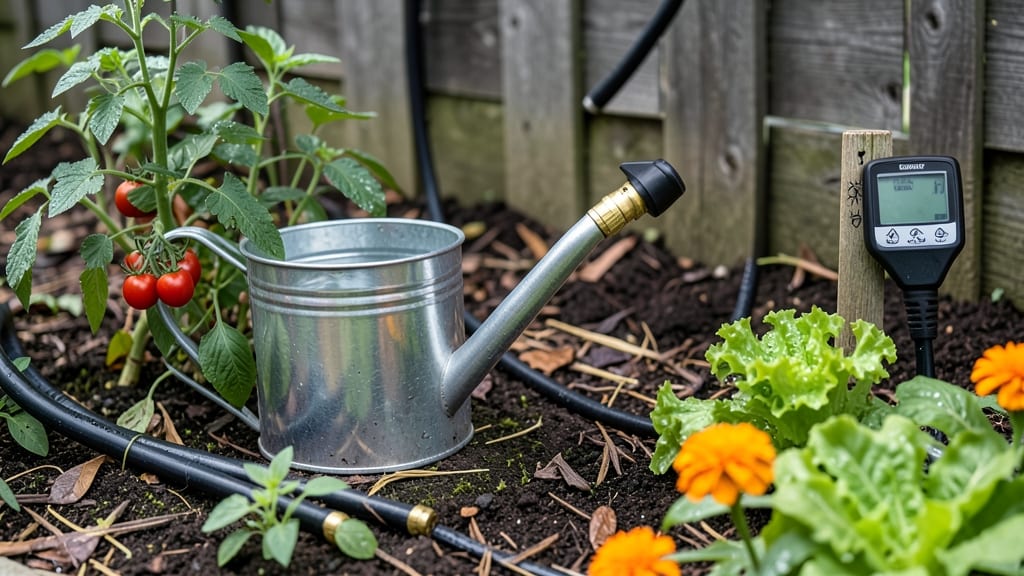
Watering your garden the right amount keeps your plants thriving and your effort from going to waste.
Too little, and your 🌱 General Garden wilts under the sun. Too much, and you risk root rot or fungal problems. The sweet spot? It’s not just about the clock—it’s about the plant, the soil, and even the weather.
Most gardeners guess, but the truth is, vegetables need 1-2 inches per week, while drought-tolerant shrubs might survive on half that. I’ll break down the exact rates for your garden’s most common plants, plus how to adjust for clay soil, heatwaves, and seasonal shifts.
By the end, you’ll water with confidence—no more soggy soil or thirsty leaves. Let’s dive into the science (and shortcuts) that make all the difference.
Plant-specific watering requirements: how much each type needs weekly
Watering your garden isn't a one-size-fits-all task—each plant type has unique needs based on its root depth, growth stage, and natural habitat. For example, leafy greens like lettuce need consistent moisture to stay crisp, while succulents thrive on neglect.
Understanding these differences prevents both overwatering (which suffocates roots) and underwatering (which stresses plants).
Most gardeners follow the "1-inch rule": providing 1 inch of water per week for most plants, including rainfall. However, this varies wildly—tomatoes and peppers demand 1.5–2 inches weekly, while lavender and rosemary can survive on 0.5 inches or less.
The key is checking soil moisture 2–3 inches deep with your finger or a moisture meter.
| Plant Category | Weekly Water Needs | Root Depth | Seasonal Adjustments |
|---|---|---|---|
| Vegetables (e.g., lettuce, spinach, cucumbers) | 1.5–2 inches | 6–12 inches deep | Increase by 50% in summer |
| Fruiting Plants (tomatoes, peppers, berries) | 1.5–2.5 inches | 12–18 inches deep | Reduce in fall to harden fruit |
| Herbs (basil, parsley, cilantro) | 1–1.5 inches | 4–8 inches deep | Keep soil consistently moist |
| Flowers (petunias, marigolds, zinnias) | 1–1.5 inches | 6–12 inches deep | Reduce in drought-prone areas |
| Drought-Tolerant (lavender, succulents, yucca) | 0.5–1 inch | Shallow (2–4 inches) | Water deeply but infrequently |
| Shrubs & Trees (newly planted) | 2–3 inches (deep soak) | 18+ inches deep | Water 2–3x weekly first year |
Vegetables like cucumbers and squash need deep, frequent watering to prevent bitter fruits, while root crops (carrots, beets) require even moisture to avoid forked shapes. Herbs like basil wilt dramatically when thirsty but can't handle soggy soil—aim for 1–1.5 inches weekly and water at the base to avoid leaf damage.
Flowers often fall into two camps: thirsty annuals (like petunias) that need daily watering in summer and drought-resistant perennials (like coneflowers) that thrive on weekly deep soaks. Always water in the early morning to reduce evaporation and fungal risks like powdery mildew.
For shrubs and trees, newly planted specimens need 2–3 inches of water weekly for the first year to establish roots. Mature trees, however, can go months without water once established—focus on deep watering every 2–3 weeks during dry spells.
Mulch heavily around the base to retain moisture and regulate soil temperature.
Seasonal shifts demand adjustments: in summer, increase watering by 30–50% to combat heat stress, while in fall, taper off to 50% of peak season to prepare plants for dormancy. Winter watering is minimal—just enough to prevent soil from freezing solid, which can damage roots.
Use the "finger test" to gauge moisture: stick your finger 2 inches deep into the soil. If it feels dry, water; if damp, wait. For container plants, check the weight—lift pots to assess dryness, as they dry out faster than in-ground plants.
Adjust your schedule based on pot size and drainage holes.
Overwatering is just as harmful as underwatering—yellowing leaves, mushy stems, and root rot are red flags. If your soil drains poorly (like clay soil), amend it with compost or sand to improve aeration. For sandy soil, water more frequently but in shorter bursts to prevent runoff.
Pro tip: Group plants with similar water needs together in your garden layout. This hydrozoning technique saves time and ensures no plant is neglected. For example, pair tomatoes with basil and marigolds in one bed, while lavender and rosemary get their own dry, sunny corner.
Start with these guidelines, then fine-tune based on your local climate and microclimates (like shady spots that stay damp longer). With practice, you’ll develop an instinct for when your garden is thirsty or overindulged—leading to a thriving, resilient oasis. 🌱
How to adjust watering based on soil type, climate, and season
Your garden's watering needs aren't one-size-fits-all—they shift dramatically based on your soil type, local climate, and seasonal changes. Sandy soil drains fast, while clay holds moisture like a sponge, and summer heat demands more frequent watering than crisp autumn days.
Understanding these variables helps you avoid both drought stress and root rot, keeping your plants thriving year-round.
Start by testing your soil moisture with a simple finger check: stick your index finger 1-2 inches deep. If it feels dry, it's time to water. For clay soil, water deeply but less often, while sandy soil needs frequent, shallow drinks.
Seasonal shifts—like spring's steady rain or summer's scorching sun—require adjusting your routine to match your plants' evolving needs.
Watch for overwatering signs like yellowing leaves, moldy soil, or wilting despite dampness—these mean you're drowning your roots. Conversely, underwatering causes crispy edges, drooping stems, or dry soil pulling away from pots. Adjust your routine by observing these cues and tracking rainfall with a simple rain gauge or weather app.
For container gardens, check soil moisture daily—pots dry out faster than in-ground beds. Group plants with similar needs together to streamline watering. In summer droughts, use drip irrigation or soaker hoses to deliver water directly to roots, minimizing waste.
During fall harvests, reduce watering 2-3 weeks before picking to concentrate flavors in fruits and veggies.
Pro tip: Keep a watering journal to track what works. Note soil type, weather patterns, and plant responses. Over time, you’ll develop an intuition for your garden’s unique rhythm—balancing science with hands-on experience for perfectly hydrated, happy plants.