
Watering
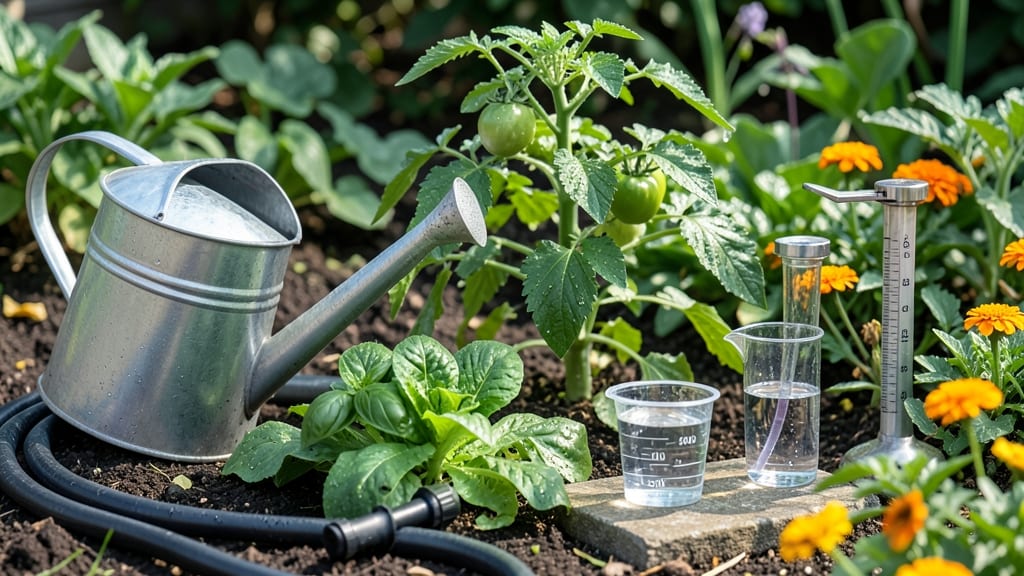
To determine how much water does a garden need, aim for 1 to 1.5 inches of water per week — but that’s just the starting point, not the rule.
Overwatering or underwatering your garden can ruin months of hard work—yet most gardeners guess how much water their plants truly need. The right amount depends on soil type, plant species, and climate, not just intuition.
Sandy soil drains fast and needs frequent, shallow watering, while clay holds moisture longer and risks root rot if overdone. Even the same plants in your yard may need different care depending on where they’re planted.
In this guide, you’ll learn how to calculate the perfect watering schedule for your garden’s unique conditions, spot signs of over- or under-watering, and save time with smart irrigation tricks.
Soil type water requirements: how much water different gardens actually need
Understanding your soil type is the first step to mastering garden hydration. Different soils hold water differently—clay clings like a sponge, while sandy soil drains faster than a sieve. Even loamy soil, the gardener’s gold, has nuanced needs.
Without knowing your soil’s behavior, you’re guessing whether your plants are thirsty or drowning. Let’s break down how much water each type truly needs and how to test yours for accuracy.
Most gardeners assume 1 inch of water per week is universal, but that’s a starting point, not a rule. In reality, clay soil may need half that frequency because it retains moisture longer, while sandy soil can dry out in just 24 hours.
Even loamy soil, the ideal middle ground, requires adjustments based on rainfall and plant types. The key is matching your watering schedule to your soil’s natural tendencies.
A simple soil drainage test will reveal your garden’s true nature. Dig a hole 12 inches deep, fill it with water, then measure how long it takes to drain. If water disappears in under an hour, you’ve got sandy soil.
If it pools for days, you’re dealing with clay. Loamy soil drains in 4-6 hours. This test takes 10 minutes but saves you from overwatering or underwatering for years.
Here’s the watering calculator you’ve been missing—a quick reference to adjust your schedule based on soil type and season. Use this table to dial in your garden’s perfect hydration balance.
Your soil type isn’t just about water—it’s about survival. For example, clay soil can suffocate roots if overwatered, while sandy soil leaches nutrients faster than a sieve. That’s why loamy soil, the happy medium, is prized by gardeners.
But even loam needs adjustments: vegetables like tomatoes crave consistent moisture, while perennials like lavender tolerate drought once established.
Seasonal shifts demand flexibility. In summer heat, sandy soil may need daily watering, while clay soil can go 10 days without a drop. Use a moisture meter ($20 at garden centers) to check soil depth—aim for 1 inch of moisture per foot of soil.
Pro tip: Water in the early morning to reduce evaporation and fungal risks.
Mulching transforms watering from a daily chore to a weekly task. A 3-inch layer of mulch (straw, wood chips, or leaves) locks in moisture, regulates soil temperature, and suppresses weeds.
For sandy soil, mulch retains water longer; for clay soil, it prevents surface crusting. Even loamy soil benefits—just don’t pile mulch against plant stems to avoid rot.
Common mistakes derail even the best intentions. Skipping the soil test leads to overwatering clay gardens or underwatering sandy beds. Another pitfall? Watering leaf surfaces instead of roots—this wastes water and spreads disease.
Always aim for the soil, not the foliage. A soaker hose or drip system delivers water directly to roots, cutting waste by up to 30%.
Remember: plants drink through their roots
How to calculate water needs for your specific plants (with a free worksheet)
Determining how much water your plants truly need isn't guesswork—it's science. Every plant has unique hydration requirements based on its species, growth stage, and environmental conditions. For example, a thirsty tomato plant in full sun needs twice the water of a drought-tolerant lavender bush in partial shade.
Let’s break down how to calculate the perfect watering schedule for your garden.
Start by identifying your plant species and their natural water needs. Most seed packets or plant tags list whether a species is drought-tolerant, moderate, or water-loving. Pair this with your local climate data—check your average rainfall and temperature trends.
In my Zone 6a garden, summer evaporation rates can double water needs compared to spring.
Key takeaway visual element:
💧 Water Calculation Formula
Plant Water Need = (Soil Type Factor × 1 inch) + (Species Factor × 0.5 inch) - (Rainfall × 0.75)
Sandy: 1.5x | Loamy: 1x | Clay: 0.75x
Drought-Tolerant: 0.5 | Moderate: 1 | Thirsty: 1.5
< 0.5" weekly: +100% | 0.5-1": 75% | >1": 50%
Example: Tomato in loamy soil with 0.25" rainfall = (1 × 1") + (1.5 × 0.5") - (0.25" × 0.75) = 1.875" per week
Next, adjust for seasonal changes. In summer, I increase watering by 30-50% for my vegetable garden due to higher temperatures and wind. Use a rain gauge to track precipitation—this helps avoid overwatering during rainy spells.
For instance, if you get 0.75 inches of rain, you might skip watering drought-tolerant plants entirely that week.
Don’t forget to account for mulch and container size. A thick layer of mulch (2-3 inches) can reduce water needs by 25-40% by slowing evaporation. For potted plants, check soil moisture daily—they dry out faster than in-ground plants.
My herb pots on the patio need watering every 2-3 days in summer, while my perennial beds go 5-7 days between waterings.
To simplify tracking, download my free watering worksheet (link below). It includes a plant-by-plant schedule, seasonal adjustments, and a moisture-check guide. Fill in your garden layout, note your soil type, and adjust as you observe plant responses.
For example, if your roses show wilting leaves despite your schedule, increase water by 20%.
Pro tip: Water deeply but infrequently. A slow, deep soak encourages roots to grow downward, making plants more resilient. Use a timer on your hose or a drip irrigation system to deliver consistent moisture.
My morning watering routine (before 10 AM) minimizes evaporation and reduces fungal risks compared to evening watering.
By following this method, you’ll transform watering from a guessing game into a precision task. Start with one plant or section, track its response, and refine your approach. Soon, your garden will thrive with the perfect balance of hydration—no more soggy roots or parched leaves! 🌱