
Planting
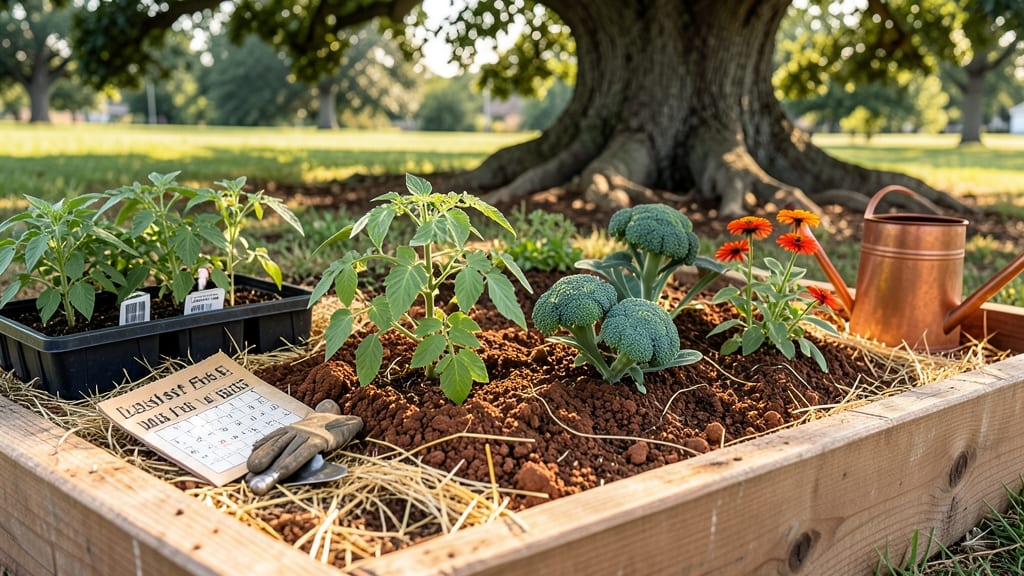
Planting a garden in Tennessee at the right time means the difference between a bountiful harvest and a sad pile of withered seedlings.
Tennessee’s mild winters and warm summers make it a gardener’s paradise—but planting at the wrong time can mean wasted seeds and missed harvests. Mastering the perfect planting schedule for Zone 7B ensures your tomatoes, peppers, and greens thrive year after year.
If you’ve ever watched your tender seedlings shiver under a late frost or bolt into flower too soon, you know timing is everything. The key is understanding your local frost dates, soil temperatures, and how microclimates—like mountain valleys or urban heat islands—can shift the rules.
In this guide, I’ll break down the exact months to plant everything from cool-season crops in early spring to heat-loving veggies in late summer, plus how to adjust for Tennessee’s unpredictable weather. Ready to grow like a pro?
Tennessee Zone 7B planting calendar: exact dates for vegetables, flowers, and herbs
Tennessee’s Zone 7B climate offers a long growing season—typically from mid-March to October—but exact planting dates depend on your microclimate and last frost date. Most areas experience their average last frost around March 15, while the first frost arrives between October 15-30.
These windows determine whether your tomatoes, peppers, and cool-season greens thrive or fail.
To maximize yields, I’ve broken down the best planting months for vegetables, flowers, and herbs in Tennessee’s Zone 7B. Whether you’re a beginner gardener or a seasoned pro, timing is everything.
For example, warm-season crops like okra and sweet potatoes need soil temps above 60°F, while cool-season crops like kale and spinach tolerate light frosts.
| Category | Planting Window | Notes |
|---|---|---|
| Cool-Season Vegetables | March 15 - April 30 (spring) & August 1 - September 15 (fall) | Plant broccoli, cabbage, and lettuce 4-6 weeks before last frost. Use row covers for early spring. |
| Warm-Season Vegetables | April 15 - May 15 (after last frost) & July 1 - August 15 (succession) | Wait until soil reaches 60°F+ for tomatoes, peppers, and beans. Use black plastic mulch to warm soil faster. |
| Flowers | March 1 - April 30 (annuals) & September 1 - October 15 (fall-bloomers) | Zinnias and marigolds thrive in full sun. Plant perennials like daylilies in early spring or fall. |
| Herbs | March 15 - May 1 (cool-hardy) & June 1 - July 15 (warm-season) | Basil and cilantro prefer cooler temps, while oregano and thyme tolerate heat. Harvest regularly to encourage growth. |
| Perennials | September 1 - November 15 (fall) or March 1 - April 15 (spring) | Plant asclepias (butterfly weed) and coneflowers in well-draining soil. Avoid transplanting during heatwaves. |
For spring planting, focus on cool-season crops like spinach and radishes in March, then transition to warm-season crops after the last frost. In my Nashville garden, I start tomato seeds indoors in February and transplant them in mid-April to beat the rush.
This head start ensures a longer harvest window before fall frosts arrive.
Summer in Tennessee is hot and humid, making succession planting key for continuous harvests. Okra and sweet potatoes love the heat, so plant them in late May or early June.
Meanwhile, shade-loving herbs like mint and parsley thrive in partial shade during peak summer months. Mulch heavily to retain moisture and prevent weeds.
Fall planting is often overlooked but offers a second harvest opportunity. Broccoli, carrots, and kale planted in August can survive light frosts and even sweeten after frost. I always sow garlic in October for a summer harvest—it’s a low-maintenance way to extend your garden’s productivity.
Adjust your schedule based on local microclimates. Mountainous areas (e.g., Great Smoky Mountains) may have later last frosts, while urban heat islands (e.g., Memphis) can be 10°F warmer than rural zones. Use a soil thermometer to confirm planting readiness—especially for warm-season crops.
Pro tip: Mark your calendar with these key dates: March 15 (last frost), April 15 (warm-season start), August 1 (fall planting), October 15 (first frost). Stick to these, and you’ll avoid common mistakes like overcrowding seedlings or planting too late for harvests.
Remember, Tennessee’s Zone 7B is forgiving, but timing matters. Whether you’re growing heirloom tomatoes or fragrant lavender, following this planting calendar will help you grow a bountiful, low-stress garden year after year. Happy planting! 🌱
How to adjust planting times for Tennessee’s microclimates and frost risks
Tennessee’s diverse geography—from the Appalachian Mountains to urban heat islands like Nashville—creates unique planting challenges. What works in cool mountain valleys may fail in hot city gardens, and late frosts can strike even after spring’s last official frost date.
Understanding these microclimates helps you extend growing seasons and protect tender plants.
For example, East Tennessee’s higher elevations often experience 2-3 weeks later last frost dates than West Tennessee’s valleys. Meanwhile, concrete jungles can trap heat, allowing you to plant heat-loving crops like okra and sweet potatoes weeks earlier than in rural areas.
These variations mean flexible planting strategies are essential for success.
Late Frost Warning: Tennessee’s Unpredictable Spring
Tennessee’s average last frost dates range from March 15 in Memphis to April 15 in Knoxville, but late frosts can occur until May 10—especially in valley bottoms where cold air pools. Heat-sensitive crops like tomatoes and peppers need protection until May 30 in most areas.
To safeguard your garden, use row covers or cold frames for early plantings. These tools can raise soil temperatures by 5-10°F, letting you start spinach, lettuce, and broccoli 3-4 weeks before the last frost.
For warm-season crops, wait until soil temps reach 60°F—usually mid-April in West TN but late April in East TN—to avoid stunted growth.
Succession planting is another key strategy. Instead of planting all your bush beans or zucchini at once, stagger plantings every 2 weeks through June. This ensures a continuous harvest and minimizes losses if a late frost or heatwave strikes.
For example, plant half your basil in early May and the rest in early June to avoid bolting from sudden heat.
Mountain gardeners should focus on cool-season crops like kale, carrots, and peas, which thrive in 50-60°F soil. In contrast, urban gardeners can push the limits with peppers, eggplants, and melons by using black plastic mulch to warm the soil faster.
Always monitor your local Cooperative Extension Service for real-time frost alerts and soil temperature updates.
Finally, observe your own garden’s patterns. Keep a planting journal for 2-3 years to track when frost occurs, how soil warms, and which crops thrive. This personalized data will help you fine-tune your schedule year after year, ensuring your Tennessee garden stays productive regardless of microclimate.