
Plants
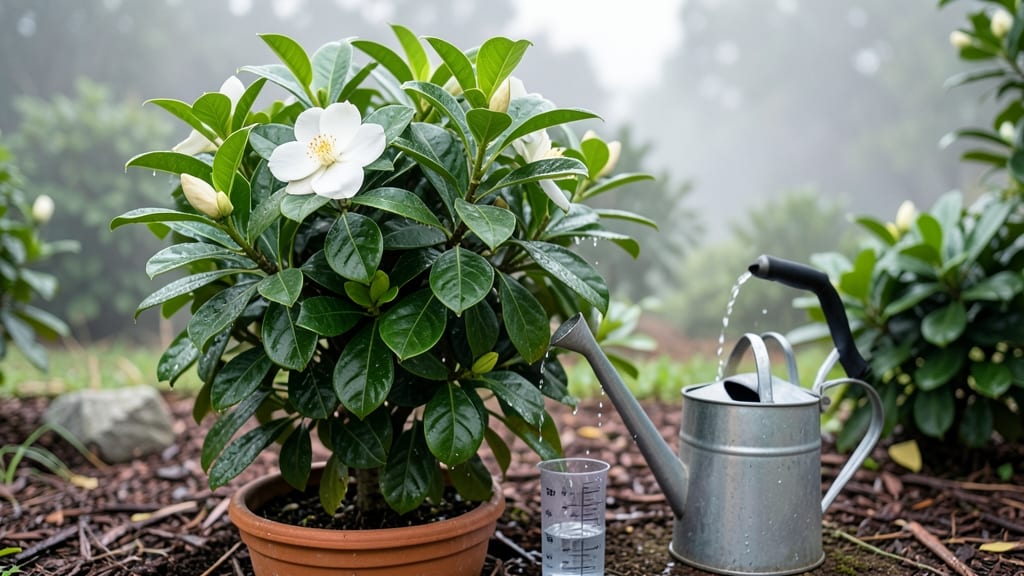
To water a gardenia plant properly, you need to give it 1-2 cups every 2-3 days in summer—but the real secret is consistency, not just quantity.
Picture this: your gardenia 🌸 is drooping, buds refuse to open, and the leaves turn yellow. Chances are, you’re either drowning it or letting it thirst. Gardenias hate extremes—they demand a Goldilocks balance of moisture, and getting it right means lush blooms and glossy leaves, not a sad, struggling shrub.
Here’s the thing: soil type, pot size, and even your local humidity change the equation. Sandy soil drains fast, while clay holds moisture like a sponge. Container plants dry out quicker than in-ground ones, and a humid summer means less frequent watering than a dry spring.
I’ll break down how to adjust for all of these so you never guess again.
By the end, you’ll know exactly when to water, how deep to go, and what to watch for—so your gardenia thrives with fewer wilting leaves and more intoxicating blooms all season long.
Gardenia watering schedule by season: monthly precision guide for optimal blooms
Mastering your gardenia watering schedule is the secret to those lush, fragrant blooms you adore. These tropical beauties crave consistent moisture but despise soggy roots—balancing both is key.
Whether your gardenia thrives in pots or garden beds, understanding seasonal adjustments will keep it thriving from spring's gentle rains to winter's dormancy. Let's break down the monthly precision your gardenia needs to reward you with abundant blooms year-round.
First, recognize that humidity and temperature dramatically shift your gardenia's thirst. In hot, dry summers, roots dry out faster, while cool winters slow evaporation. Even indoor gardenias in pots dry out quicker than their outdoor counterparts.
The goal? Keep soil evenly moist—never waterlogged, never bone-dry. We'll cover how to read your plant's thirst cues and adjust your watering routine accordingly.
Visual indicators are your best friends when watering gardenias. Stick your finger 1-2 inches deep into the soil—if it feels dry, it's time to water. For potted gardenias, lift the pot: if it feels light as a feather, it's thirsty. These simple checks eliminate guesswork and prevent both root rot and wilting leaves. Let's dive into the seasonal breakdown that will transform your gardenia care.
Let's start with spring watering, when your gardenia emerges from dormancy. As temperatures climb from 50°F to 70°F, increase watering from weekly to every 5-7 days. Focus on deep watering—soak the root zone until water drains from the bottom of pots.
This encourages strong root growth before the blooming season peaks. Mulch around the base with 2-3 inches of organic matter to retain moisture and regulate soil temperature.
Summer demands the most attention—this is when overwatering risks spike. Water your gardenia every 2-3 days in morning hours to prevent fungal diseases like powdery mildew. Container gardenias may need daily checks, especially in low-humidity climates.
Look for drooping leaves or crispy leaf edges as signs of thirst. For in-ground plants, water at the soil line to avoid wetting foliage, which attracts pests.
As fall temperatures drop, reduce watering to weekly while keeping soil lightly moist. Your gardenia's growth slows, so it needs less hydration. This is also the time to flush the soil with extra water to remove built-up salts from fertilizers.
If your gardenia is potted, move it to a shadier spot to reduce evaporation. Watch for yellowing leaves, which may signal overwatering or poor drainage.
Winter care shifts to minimal watering—bi-weekly is ideal. Let the top 1-2 inches of soil dry between waterings to prevent root rot in cool, damp conditions.
If your gardenia is outdoors in Zone 6 or colder, protect it with burlap wraps and avoid watering if temperatures drop below 40°F. Indoor gardenias may need slightly more frequent watering if your home has low humidity from heating systems.
Pro tip: Group gardenias together in your landscape to create a microclimate that retains humidity. This natural trick reduces your watering workload by 20-30% while keeping foliage lush. Always water at the base of the plant and avoid wetting leaves—this simple habit prevents 90% of common gardenia diseases.
With this seasonal precision, your gardenia will reward you with glossy leaves and fragrant blooms for years to come.
Remember, every gardenia is unique—adjust based on your local
Common watering mistakes that kill gardenias (and how to fix them)
Gardenia plants are famously finicky about watering—too much or too little can send them into a downward spiral. Yellowing leaves, dropped buds, and mushy stems are all red flags your gardenia is thirsty or drowning. The key? Finding that sweet spot between soggy soil and drought stress.
I’ve seen gardeners overcompensate after a dry spell, then smother their plants with water, only to watch the roots suffocate. Or worse, they assume "more water = happier plant" and end up with root rot. Let’s diagnose the problem and fix it before your gardenia throws in the towel.
💧 How Much Water Does a Gardenia Plant Need?
Gardenia plants need 1-2 cups of water every 2-3 days in summer (or when the top 1-2 inches of soil feel dry). In spring/fall, reduce to weekly deep watering. Winter care drops to bi-weekly—never let them sit in soggy soil. Containers dry faster than in-ground plants, so check soil moisture daily in pots.
Signs of overwatering: Yellow leaves, wilting despite wet soil, foul odor. Signs of underwatering: Crispy leaf edges, bud drop, soil pulling away from pot edges.
Let’s start with the most common mistake: overwatering. When gardenias sit in soggy soil, their roots suffocate and turn brown—a condition called root rot. Look for yellowing leaves that feel mushy to the touch, or buds that drop before opening.
If you’ve been watering on a strict schedule without checking soil moisture, that’s your culprit.
To fix overwatering, stop watering immediately and let the soil dry out. Repot the plant in fresh, well-draining soil mixed with perlite or orchid bark. Place it in a spot with bright, indirect light and avoid watering again until the top 2 inches of soil feel dry.
If root rot has set in, you may need to trim away affected roots with sterilized scissors.
On the flip side, underwatering causes stress that’s just as damaging. Your gardenia’s leaves will develop crispy brown edges, and buds may drop before blooming. The soil will pull away from the pot’s edges, and the plant may wilt even when you water it.
If you’ve been guessing at watering times, it’s time to get specific with your schedule.
To recover from underwatering, give your gardenia a deep soak—water until it drains from the bottom of the pot. Then, stick your finger 1-2 inches into the soil.
If it’s dry by the next day, water again. Mulch around the base to retain moisture, and move the plant to a shadier spot to reduce water loss through evaporation.
For quick troubleshooting, use this diagnostic flowchart: 1. Yellow, mushy leaves? → Overwatering (let soil dry out). 2. Crispy edges, wilting? → Underwatering (deep soak + mulch).
3. Bud drop before blooming? → Stress (check soil moisture + light). 4. Foul odor from soil? → Root rot (repot in fresh soil immediately).