
Watering
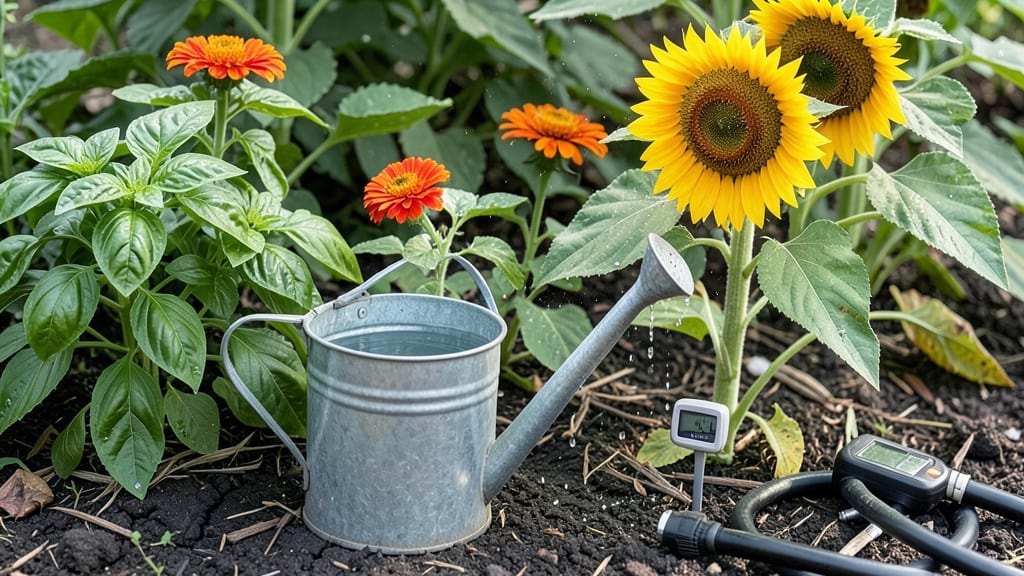
You need to water your garden based on soil type, weather, and plant needs—not just a calendar.
Overwatering or underwatering your garden can turn your green thumb into a brown disaster—yet most gardeners guess how often to water instead of using science-backed soil-type guidelines. The result? Wilted leaves, wasted water, or even root rot.
In this guide, I’ll break down the perfect watering schedule for your soil type, from sandy (dries fast) to clay (holds moisture like a sponge). You’ll learn how to check soil moisture, spot signs of over- or under-watering, and adjust for summer heat or winter chill.
By the end, you’ll know exactly when to reach for the hose—and when to hold back. No more guesswork, just moist, thriving plants.
Watering frequency by soil type: the science behind moisture retention
Your garden's soil type is the secret weapon for perfect watering. Unlike guessing, understanding clay, sandy, loamy, or rocky soil helps you water just enough—no more, no less.
Each type holds moisture differently, affecting root health and plant growth. Let’s dive into the science so you can water like a pro.
Soil isn’t just dirt—it’s a living ecosystem that dictates how often you need to water. For example, sandy soil drains like a sieve, while clay soil clings to water like a sponge.
Loamy soil? The gold standard for moisture balance. Rocky soil forces water to fight gravity, creating unique challenges. Knowing your soil type means you’ll never over- or under-water again.
Clay soil is the water hog of the garden world. It compacts easily, trapping water and oxygenating roots. Water it deeply but infrequently—think every 5-7 days—and always check the top 2 inches before watering. Overwatering here leads to root rot, while underwatering causes wilting. Amend with compost or sand to improve drainage.
Sandy soil is the opposite—it drains so fast that plants thirst constantly. Water frequently but shallowly, aiming for every 2-3 days in hot weather. This soil struggles to hold nutrients, so mulch heavily and use organic matter like peat moss to retain moisture. Plants like lavender and rosemary thrive here because they’re drought-tolerant.
If your soil is loamy, congratulations—you’ve hit the jackpot! This ideal mix of sand, silt, and clay retains moisture without suffocating roots. Water consistently every 3-5 days, adjusting for rain.
Loamy soil is perfect for vegetables and herbs, which need steady hydration. A soil test can confirm if yours is loamy or needs amending.
Rocky soil is the challenge child of gardening. Water daily in shallow sessions because rocks force water to evaporate or run off. Use mulch or landscape fabric to slow water loss. Plants here need deep roots or drought tolerance, like succulents or native grasses. Avoid heavy watering—it just washes away nutrients.
Not sure what type of soil you have? Do a simple jar test: Fill a jar with soil and water, then shake. Let it settle for 24 hours. The layers will reveal your soil type—sand settles first, followed by silt, then clay at the top.
For a deeper dive, grab a $20 soil test kit from your local garden center. It’s the best $20 you’ll spend this year.
Once you know your soil type, adjust your watering schedule like a pro. For clay soil, use a soaker hose to deliver water slowly. For sandy soil, water in the early morning to reduce evaporation. Loamy soil?
Stick to a consistent routine. And for rocky soil, mulch everything to lock in moisture. Your plants will thank you with lush, healthy growth.
Your tomatoes look droopy by noon, or your basil leaves feel crispy to the touch—these are classic signs your garden is thirsty. But how do you know if it's underwatering or overwatering? The difference can mean the difference between a thriving garden and a sad, wilted one. Let’s decode the visual and tactile clues your plants are giving you. Start by checking the soil moisture with your finger. Stick it about 1-2 inches deep—if it feels dry, your plants need water. But if it’s soggy or smells musty, you’re likely overdoing it. Leaf color is another big hint: yellowing leaves often signal overwatering, while brown, crispy edges mean underwatering. Pay attention to these subtle but critical signals. For herbs like basil or flowers like marigolds, underwatering shows up as droopy stems that don’t bounce back after a drink. Vegetables like tomatoes and peppers often develop blossom-end rot (black spots on fruit) when soil moisture is inconsistent. Always water at the base of the plant to avoid wetting leaves, which can lead to fungal issues. Overwatering is just as damaging—root rot sets in when roots suffocate in soggy soil. Look for mushy stems or leaves that turn yellow and fall off easily. If your soil feels compacted or has a strong odor, it’s time to let it dry out. Mulch around plants to retain moisture without over-saturating the soil, and always use well-draining soil mixes for containers. Create a weekly watering checklist to stay on top of moisture needs. For example, succulents and cacti need water every 2-3 weeks, while leafy greens like lettuce prefer daily misting in hot weather. Adjust based on weather conditions—droughts mean deeper watering, while rain means holding off until the soil dries slightly. When in doubt, lift a plant gently by its leaves—if it pulls away from the soil easily, it’s thirsty. If the soil clumps stick together and feel heavy, you’ve overwatered. Trust your tactile senses and observe your garden daily. With practice, you’ll learn to read your plants like a pro and keep them thriving all season long. 🌿Signs your garden needs water (or too much water) right now
Underwatering vs. Overwatering: Quick Reference
UNDERWATERING
OVERWATERING