
How To
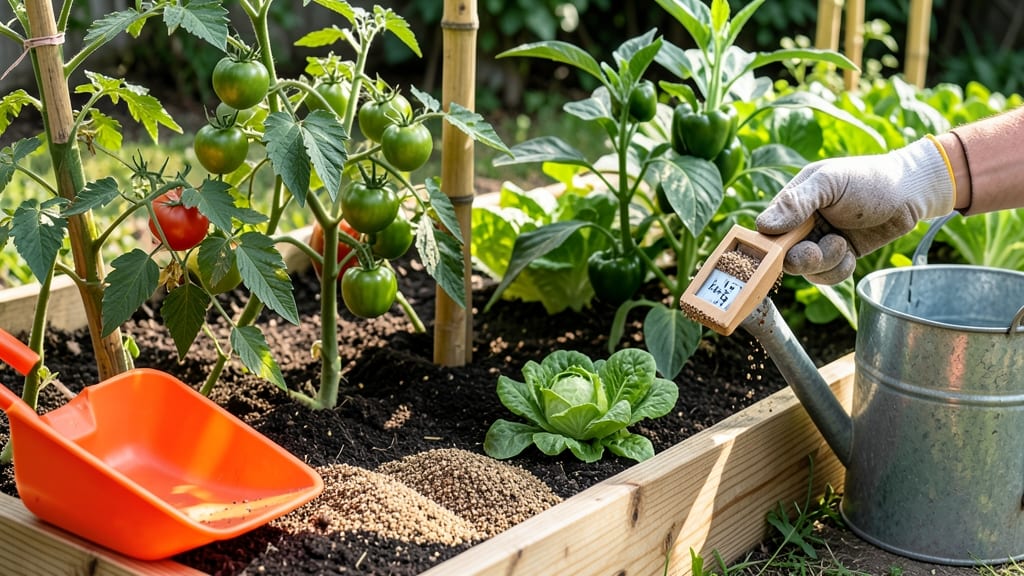
To fertilize a vegetable garden properly, you’ll need a schedule that matches your soil and crops — because overdoing it can burn roots while underfeeding leaves your plants starving.
Picture this: you’ve spent weeks nurturing your 🥬 vegetable garden, only to watch your tomatoes struggle or your lettuce bolt because the nutrients weren’t quite right. The key isn’t guessing—it’s reading your soil and plants to decide when to feed.
In this guide, I’ll break down the ideal fertilization frequency based on your soil test results, plant types, and season. You’ll learn how to avoid common mistakes like leaf burn or stunted growth, plus when to switch from organic compost to synthetic boosts for heavy feeders.
By the end, you’ll have a custom schedule that keeps your garden thriving without wasting a single dollar on fertilizer. Let’s get started.

Soil test results: the ultimate guide to fertilizing frequency by plant type
Got your soil test results back but unsure how to translate those numbers into a fertilization plan? Your pH levels and NPK ratios are the roadmap to feeding your vegetable garden just right.
Too much fertilizer burns roots, while too little stunts growth—so let's break down how to match your soil data to your plants' needs. I'll show you how to adjust for leafy greens, root crops, and heavy feeders like tomatoes and corn.
First, focus on the three key soil test metrics: pH (ideal 6.0-7.0 for most veggies), nitrogen (N) (for leafy growth), and phosphorus (P) (for root development). Your potassium (K) levels matter too—especially for fruiting plants.
For example, if your soil shows low phosphorus, prioritize bone meal or compost for root crops like carrots and potatoes. Meanwhile, high nitrogen is great for leafy greens but can cause excessive foliage in tomatoes, reducing fruit production.
Here's the game-changer: different plant families have wildly different fertilizer needs. Leafy greens like lettuce and spinach thrive with high nitrogen early on, while fruiting plants (tomatoes, peppers) need balanced NPK with more phosphorus as they flower.
Root crops like beets and radishes actually prefer low nitrogen to avoid woody stems. Let's dive into the specifics with this plant-specific fertilization chart.
Let me show you how to apply this to your garden. If your soil test shows low nitrogen (below 50 ppm), leafy greens will benefit from a side-dressing of compost or a low-nitrogen fertilizer like fish emulsion every 3 weeks.
For fruiting plants with low potassium, switch to a potassium-rich fertilizer like greensand or wood ash when flowers appear. Remember, organic fertilizers release nutrients slowly, while synthetic fertilizers work faster—adjust your schedule accordingly.
Your pH levels also dictate fertilizer choices. If your soil is too acidic (pH < 6.0), add lime first, then fertilize. For alkaline soil (pH > 7.0), use sulfur or peat moss before applying fertilizers.
For example, tomatoes in alkaline soil will struggle to absorb iron, even if your fertilizer has it—so always adjust pH first. I've seen gardeners waste money on iron supplements when a simple soil pH fix solved the problem!
Pro tip: Split applications work best for heavy feeders. Instead of dumping fertilizer all at once, divide it into 3-4 smaller doses throughout the growing season. This prevents nutrient burnout and keeps roots healthy.
For instance, corn needs high nitrogen early for stalk growth but more potassium later for ear development. Use a starter fertilizer
Seasonal fertilizing schedule: when to feed for peak growth vs. harvest
Timing your vegetable garden fertilization by season is the secret to avoiding nutrient waste and maximizing yields. In spring, focus on root development with light feeds, while summer demands heavier feeding to support fruit production.
Fall is all about preparing plants for dormancy—and winter? Skip it entirely unless you're growing overwintering greens.
Your soil type and climate zone will tweak this schedule, but these seasonal guidelines work for most USDA Zone 6a gardens like mine. For example, my tomatoes beg for extra phosphorus in summer, while lettuce barely needs anything in fall.
Let’s break it down month by month so you can feed your plants exactly when they need it.
🌱 Seasonal Fertilizing Highlights
- Spring (March-May): Apply light organic fertilizer (like compost or 5-5-5) 2 weeks after planting to boost root growth. Avoid synthetic nitrogen-heavy feeds—it burns tender seedlings.
- Early Summer (June): Switch to balanced 10-10-10 every 3-4 weeks for fruiting plants (tomatoes, peppers). Use fish emulsion for organic boosts during transplant shock.
- Peak Summer (July-August): Feed heavy feeders (corn, squash) with potassium-rich fertilizer (like 0-0-50) every 4 weeks. Drought? Water first to prevent fertilizer burn.
- Early Fall (September): Light feed cool-season crops (kale, carrots) with compost tea to extend harvest. Stop fertilizing by October 1st in Zone 6a.
- Winter (November-February): Zero fertilization unless growing winter greens. Focus on soil prep instead—add compost now for spring.
For organic gardeners, I swear by compost tea in spring and worm castings in summer—they release nutrients slowly without risking burn. Synthetic users should opt for slow-release granules in early summer to avoid midday heat stress on roots.
Pro tip: Always water before fertilizing to help nutrients soak in evenly.
Watch for nutrient deficiency signs like purple stems (phosphorus) or yellowing leaves (nitrogen). If you see these, adjust your schedule: add a quick-acting fertilizer (like blood meal) for nitrogen or bone meal for phosphorus. My peppers once turned yellow until I switched to a tomato-specific feed—they’re heavy feeders too!
Remember, less is more with fertilizers. Overfeeding leads to salt buildup in soil, which can kill beneficial microbes. I’ve learned this the hard way—my first year, I overdid it with synthetic feeds and ended up with burnt zucchini leaves.
Now, I test soil every spring and adjust accordingly. Your garden will thank you with bigger, healthier harvests all season long.