
How To
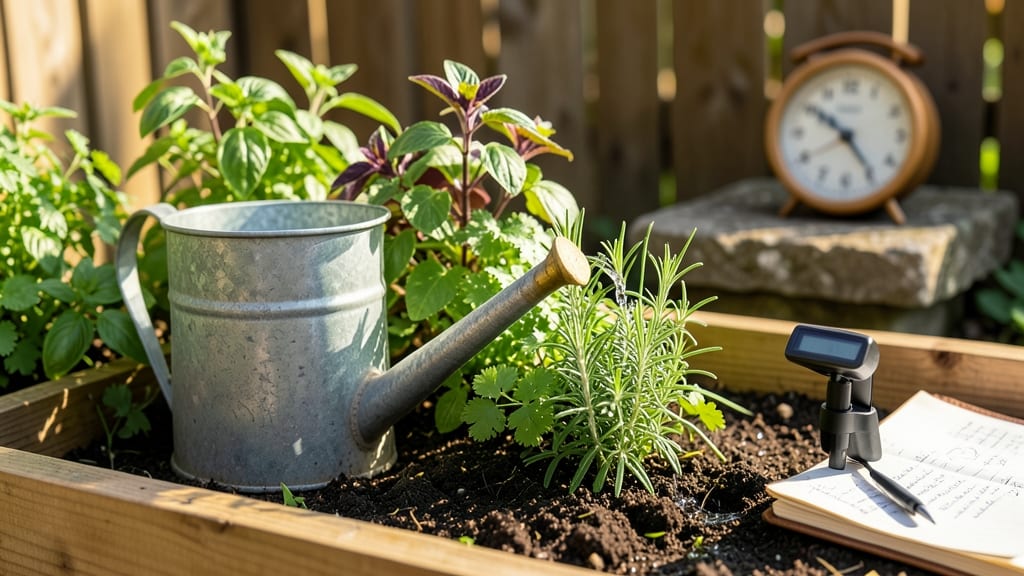
Watering your herb garden the right way keeps those 🌿 leaves perky and flavorful—but guess wrong, and you’ll end up with either drowned roots or crispy stems.
Most gardeners overcomplicate it, checking every day or drowning their herbs in a flood. The truth? How often you water depends on your soil type, pot size, and even the herb itself.
In this guide, I’ll break down the exact watering schedule for clay, sandy, and loamy soils, plus how to tell when your herbs are thirsty (or drowning). No more guesswork—just happy, healthy herbs.
You’ll learn the 3 signs of overwatering, the best time of day to water, and how to adjust for summer heat or winter chill. Let’s get those herbs thriving!
Watering frequency by soil type: a herb gardener’s survival guide
Your herb garden’s health depends more on soil type than you might think. Clay soil holds water like a sponge, while sandy soil drains faster than a sieve. Even loamy soil—the gardener’s gold—requires precision.
Misjudging your soil’s moisture retention can mean wilting parsley or rotting roots in rosemary. Let’s break down how to water each type correctly.
First, grab a simple soil test kit (or DIY with a jar of water) to confirm your soil type. Moisture retention is the key factor—clay holds water for days, while sandy soil may need daily checks. Rocky soil?
It’s a whole different ballgame, draining like a colander. Understanding these differences ensures your basil and thyme thrive, not just survive.
💧 How Often to Water Herb Garden by Soil Type
| Soil Type | Moisture Retention | Watering Frequency (Days) | Best Time to Water | Key Adjustments |
|---|---|---|---|---|
| Clay | High (holds water 3–5 days) | Every 5–7 days | Morning (avoid pooling) | Amend with compost; water deeply but less often |
| Sandy | Low (drains in 1–2 days) | Every 1–2 days | Evening (reduces evaporation) | Mulch heavily; use drip irrigation |
| Loamy | Moderate (holds water 2–4 days) | Every 3–5 days | Morning or evening | Ideal for most herbs; minimal amendments needed |
| Rocky | Very low (drains instantly) | Daily (or every 1–2 days) | Morning (prevents runoff) | Add organic matter; use containers with drainage holes |
💡 Pro Tip: Stick your finger 1 inch into the soil—if it’s dry, water! If damp, wait.
Let’s start with clay soil, the heavyweight champion of moisture retention. Your mint or cilantro might look thirsty, but clay’s grip on water can suffocate roots. Water deeply every 5–7 days—not just a sprinkle.
Use a soil probe or your finger to check moisture at 2 inches deep. If it’s still damp, hold off. Amend the soil with compost or perlite to improve drainage.
On the opposite end, sandy soil is like a desert for your herbs. Water drains through so fast that dill or chives can dry out overnight. Check moisture daily in extreme heat.
Water slowly in the evening to reduce evaporation. A thick layer of mulch (like straw or wood chips) helps retain what little moisture sandy soil clings to.
Loamy soil is the Goldilocks of gardening—just right for most herbs. It balances moisture and drainage perfectly, so basil and parsley thrive with 3–5 days between waterings. Still, monitor weather: hot, windy days mean more frequent watering. Loamy soil is forgiving, but don’t assume it’s foolproof. A quick finger test keeps your oregano happy.
Now, rocky soil is the trickiest. Water races through like a flash flood, leaving rosemary parched. Water daily in containers or raised beds, and consider self-watering pots for herbs like thyme.
Mix in coco coir or peat moss to improve water retention. Rocky soil also heats up faster, so mulch generously to protect roots.
Seasonal shifts demand adjustments too. In summer, water daily for sandy or rocky soils, while clay soil may only need every 4–5 days. Winter slows everything down: reduce watering to every 10–14 days unless you’re growing winter-hardy herbs like parsley or cilantro.
Always water at the base of plants, not overhead, to prevent fungal diseases.
Signs of overwatering include yellowing leaves, mold, or a foul smell from the soil. Underwatering? Look for crispy edges, wilting despite moist soil, or herbs pulling away from the pot.
Adjust your schedule based on these clues. And remember: container-grown herbs dry out faster than in-ground plants, so check them daily in summer.
For accuracy, test your soil’s moisture retention with this quick method: Fill a jar halfway with soil, add water, and shake. Let it settle for 24 hours. If water remains at the top, you’ve got clay soil.
If it drains completely, it’s sandy. Loamy soil will show a middle layer of dampness. Use this test to fine-tune your watering routine for each herb type.
Mastering your soil type turns guesswork into a science. With these adjustments, your herb garden will flourish year-round—no more sad, wilted leaves or drowned roots. Start with your soil’s unique needs, and soon you’ll be harvesting lush, vibrant herbs like a pro. Happy gardening! 🌱
Signs your herb garden is overwatered or underwatered (and how to fix it)
Your herb garden can silently scream for help through its leaves—if you know what to look for. Overwatering and underwatering are the top killers of herbs like basil and cilantro, but spotting the difference takes practice.
For example, yellowing leaves might mean too much water, while crispy edges scream thirst. Let’s decode these clues so your herbs thrive instead of wilt.
First, check the soil moisture. Stick your finger 1 inch deep—if it’s damp, hold off on watering. If it’s dry, it’s time to hydrate. Mold or fungus on soil or stems? That’s a red flag for overwatering.
On the flip side, dry, brittle leaves or wilting despite moist soil could mean poor drainage or root rot. Each herb has unique needs—rosemary hates soggy soil, while parsley prefers consistent dampness.
💧 How Often to Water Your Herb Garden
| Herb Type | Watering Frequency | Signs of Overwatering |
|---|---|---|
| Basil, Cilantro, Parsley | Every 2–3 days (daily in heat) | Yellow leaves, mold, mushy stems |
| Rosemary, Thyme, Oregano | Every 5–7 days (let soil dry) | Brown leaf tips, root rot |
| Mint, Chives | Every 3–4 days (keep soil moist) | Wilting despite water, stunted growth |
💡 Pro Tip: Water in the morning to prevent fungal growth and let foliage dry before nightfall.
If your herbs look sad but the soil is dry, it’s likely underwatering. Droopy leaves that perk up after a drink confirm this.
For basil or parsley, give them a deep soak until water runs out the drainage holes. Rosemary and thyme, however, prefer drier conditions—water only when the top 2 inches of soil feel bone-dry. Overwatering these drought-lovers leads to root rot, which is fatal.
For overwatered herbs, act fast. Stop watering immediately and let the soil dry out. If mold or fungus has set in, trim affected leaves and improve drainage by adding perlite or sand to heavy soil. Repot severely affected plants into fresh, well-draining mix.
For underwatered herbs, water thoroughly and mulch around the base to retain moisture. Adjust your schedule—potted herbs dry out faster than in-ground plants.
Seasonal shifts change the game. In summer, herbs need more frequent watering—sometimes daily—while winter slows their thirst to every 10–14 days. Clay pots dry out slower than plastic, and sandy soil drains faster than loam.
Pay attention to your herbs’ growth patterns: fast-growing basil needs consistent moisture, while slow-growing rosemary thrives with less.
Remember, healthy herbs have vibrant leaves, strong stems, and a fragrant aroma. If yours are yellowing, wilting, or moldy, it’s time to reassess your watering routine. With these clues, you’ll keep your herb garden lush and ready for harvest—no guesswork needed. 🌿