
How To
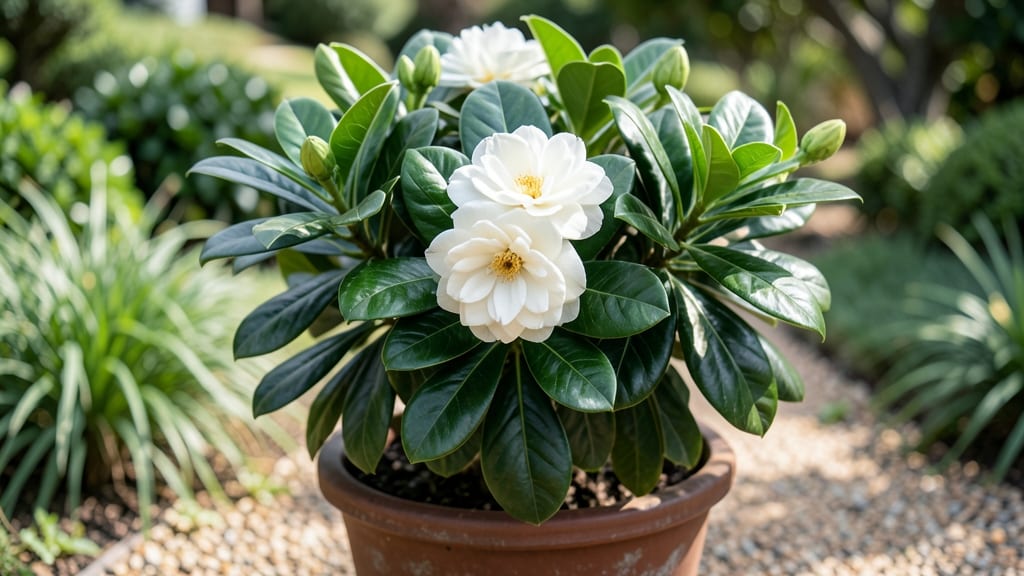
Gardenia plants can grow anywhere from 1 to 6 feet tall, depending on the variety and how you care for them 🌸 — a range that means your choice of plant could end up as a low shrub or a small tree.
Wondering if your gardenia will tower over your fence or stay neatly contained? The height of gardenia plants can vary dramatically, so picking the right type is the first step. Some varieties top out at just 2 feet, while others reach 6 feet if left unpruned.
Sunlight, soil, and pruning habits all play a role in how tall your gardenia grows. Too much shade can stunt growth, while aggressive pruning keeps it compact. If you want a neat, manageable size, regular trimming is key.
Below, I’ll break down the height ranges for popular gardenia varieties, share pruning tips to control growth, and explain how to encourage taller or shorter plants based on your space and goals.


Standard gardenia heights: how tall different varieties can grow naturally
If you’ve ever wondered whether your gardenia will become a towering centerpiece or stay neatly contained, the answer depends entirely on the variety and growing conditions.
Gardenias naturally range from compact shrubs (2–3 feet) to tall specimens (8–15 feet), with most standard types landing between 4–6 feet at maturity. Understanding these differences helps you plan your garden layout and care routine effectively.
The most popular gardenia, Gardenia jasminoides, typically grows 4–6 feet tall in ideal conditions, though it can reach 8 feet or more when left unpruned. Other varieties, like Gardenia augusta, often stay shorter (3–5 feet), while tropical species may grow even taller.
The key to controlling height lies in pruning, sunlight exposure, and soil quality—all factors we’ll explore below.
Environmental conditions play a massive role in how tall your gardenia grows. For example, full sun exposure can encourage taller growth, while partial shade keeps plants more compact. Similarly, rich, acidic soil (pH 5.0–6.5) promotes healthier, bushier growth, whereas poor soil can stunt development.
Let’s break down the most common gardenia varieties and their natural height ranges.
| Variety | Mature Height Range | Growth Habit | Sunlight Needs | Climate Suitability |
|---|---|---|---|---|
| Gardenia jasminoides | 4–8 feet | Upright shrub | Partial shade to full sun | USDA Zones 7–11 |
| Gardenia augusta | 3–5 feet | Bushy, rounded | Partial shade | USDA Zones 8–11 |
| Gardenia radicans | 2–3 feet | Trailing or mounding | Partial shade | USDA Zones 9–11 |
| Gardenia ‘Kleim’s Hardy’ | 3–4 feet | Compact, cold-hardy | Partial shade | USDA Zones 6–9 |
| Gardenia ‘Veitchii’ | 6–10 feet | Tall, tree-like | Full sun to partial shade | USDA Zones 8–11 |
As you can see, Gardenia jasminoides and Gardenia ‘Veitchii’ are the tallest varieties, often exceeding 6 feet without pruning. These types thrive in warmer climates (USDA Zones 8–11) and benefit from full sun exposure, which encourages vertical growth.
If you’re growing these in cooler zones, expect slower growth and potentially shorter stature unless you provide extra care.
For home gardeners with limited space, Gardenia augusta and Gardenia radicans are excellent choices, staying under 5 feet tall while still producing fragrant blooms. These varieties also adapt well to containers, making them ideal for patios or balconies. Just ensure they get partial shade to prevent leggy growth.
Climate also impacts height significantly. Gardenias grown in humid, tropical regions tend to grow taller and faster, while those in drier or cooler climates may stay shorter.
For example, Gardenia ‘Kleim’s Hardy’, a cold-hardy variety, typically maxes out at 4 feet but can handle USDA Zone 6 winters—far colder than most gardenias tolerate.
Soil quality is another critical factor. Gardenias hate alkaline soil and thrive best in acidic, well-draining soil (pH 5.0–6.5). If your soil is too alkaline, roots struggle to absorb nutrients, leading to stunted growth.
Amend the soil with peat moss or sulfur to lower the pH and encourage healthier, taller growth over time.
Pruning plays a dual role: it can limit height or encourage bushier growth. If you want a shorter gardenia, prune back 1/3 of the plant’s height in late winter or early spring.
For taller growth, avoid heavy pruning and focus on removing only dead or overcrowded branches. Always use sterilized shears to prevent disease.
Light exposure is equally important. Gardenias in full sun may grow taller but can become leggy and sparse if not pruned. In contrast, partial shade promotes a compact, bushier shape.
If you’re growing gardenias in containers, place them near an east-facing window for morning sun and afternoon shade, which mimics their natural habitat.
Finally, remember that gardenias grow slowly—expect 1–2 feet of growth per year under ideal conditions. Patience is key! With the right variety, soil, and care, you can enjoy a gardenia that fits your space perfectly, whether you prefer a tall, dramatic specimen or a <
Dwarf gardenias: compact varieties and pruning tips to control height
If you love the fragrant blooms of gardenias but need a plant that stays under control, dwarf varieties are your best bet 🌿. These compact shrubs typically reach just 1 to 3 feet tall, making them perfect for containers, window boxes, or small gardens.
The key to keeping them this size lies in choosing the right variety and mastering pruning techniques.
Not all gardenias stay small—some varieties like Gardenia jasminoides can grow up to 6 feet if left unchecked. But dwarf types like Gardenia radicans and Gardenia augusta ‘Kleim’s Hardy’ are bred to stay petite. These varieties thrive in containers and require less aggressive pruning to maintain their shape.
Dwarf Gardenia Heights: Pros and Cons
Pros
- Compact size: Fits small spaces
- Low maintenance: Less pruning needed
- Fragrant blooms: Same sweet scent
- Container-friendly: Great for patios
Cons
- Limited height: Not for tall hedges
- Sensitive to cold: Needs protection
- Slower growth: Takes longer to mature
- Prone to legginess: Requires proper care
Pruning is essential to keep dwarf gardenias from becoming leggy or overgrown. The best time to prune is right after flowering, when the plant has finished its bloom cycle.
Use clean, sharp pruning shears to cut back any overgrown branches by one-third of their length. This encourages bushier growth and prevents the plant from stretching tall.
One common mistake gardeners make is pruning too late in the season. If you wait until fall or winter, you risk stunting new growth for the next year. Always prune in early spring or summer to give your gardenia time to recover and produce fresh blooms.
Another tip: avoid cutting into old wood, as this can harm the plant and reduce flowering potential.
For container-grown dwarf gardenias, regular pruning is even more critical. Since containers limit root growth, the plant may become root-bound and grow leggy if not pruned. To fix this, trim back any branches that are growing toward the center of the pot.
This opens up the plant for better airflow and light penetration, keeping it healthy and compact.
If your gardenia starts looking too tall or sparse, don’t panic—it’s often a sign of overcrowded roots or lack of sunlight. Move it to a sunnier spot and give it a light pruning to encourage new growth.
With the right care, your dwarf gardenia will stay lush, fragrant, and perfectly sized for your space ✂️.