
Size
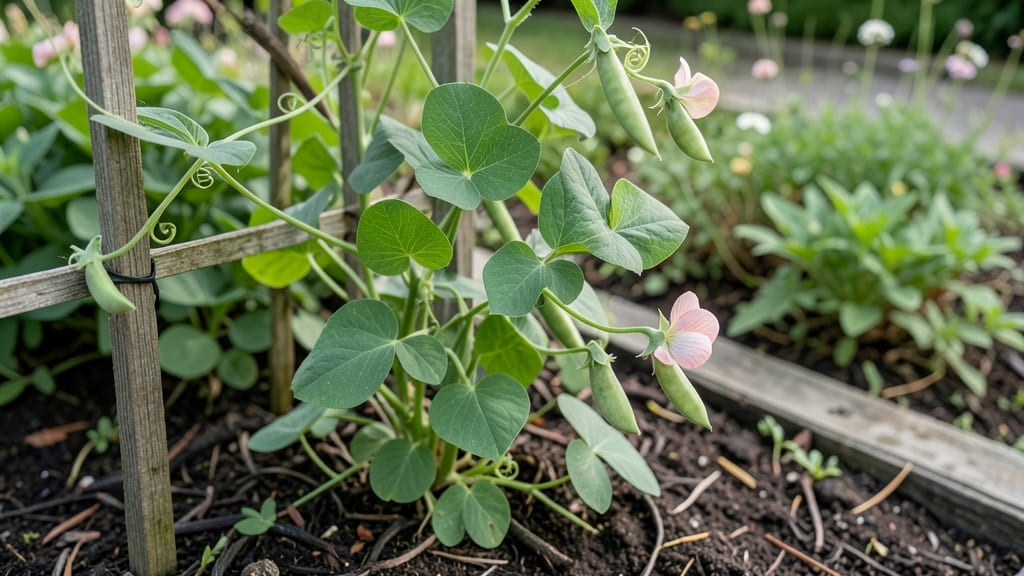
How tall do garden peas grow? They reach heights of 1 to 6 feet, depending on the variety you choose—some stay compact while others climb like vines.
Wondering how much vertical space your garden peas need? The height of your pea plants can vary dramatically by variety—from compact bush types to towering vines reaching 10 feet or more—and choosing the right one can transform your garden's productivity and aesthetics.
If you've got limited space, dwarf varieties stay under 2 feet, making them perfect for containers or small gardens. On the other hand, climbing types like 'Sugar Snap' or 'Mammoth Melting' can stretch up to 8 feet, needing sturdy trellises to support their weight.
Below, I’ll break down the height ranges by variety, how to support them properly, and tips to maximize your harvest—whether you’re working with a tiny balcony or a sprawling backyard.


Garden pea height ranges by variety: dwarf to climbing types explained
When planning your pea garden, knowing how tall garden peas grow is essential for choosing the right varieties and designing your layout. Peas range from dwarf bush types that stay under 2 feet to tall climbing varieties that can reach 10 feet or more.
The height directly impacts your support needs, spacing, and even the types of peas you can grow in containers versus in-ground beds.
Selecting the right pea height for your space can maximize yield and simplify care. For example, dwarf varieties thrive in small spaces or containers, while climbing types make stunning vertical displays and are ideal for trellises.
Understanding these differences helps you avoid overcrowding and ensures healthy growth from seed to harvest.
Below is a breakdown of pea varieties by height, including popular commercial and heirloom types, so you can choose what fits best in your garden.
| Variety Type | Height Range | Growth Habit | Best For |
|---|---|---|---|
| Dwarf (Bush) Peas | 12–18 inches | Compact, no support needed | Containers, small gardens, early harvests |
| Semi-Dwarf Peas | 18–30 inches | Bushy with light climbing tendency | Small trellises, raised beds |
| Standard Climbing Peas | 4–6 feet | Vining, requires trellis | Vertical gardens, fences, pergolas |
| Tall Climbing Peas | 6–10 feet | Aggressive vining, strong support needed | Large trellises, arbors, tall fences |
| Popular Dwarf Varieties | 12–18 inches | Bush-type | 'Little Marvel', 'Tom Thumb' |
| Popular Climbing Varieties | 4–8 feet | Vining | 'Sugar Snap', 'Oregon Sugar Pod', 'Wando' |
If you're working with limited vertical space, dwarf varieties like 'Little Marvel' or 'Tom Thumb' are perfect for containers or small garden plots. These varieties stay under 18 inches tall and don’t require trellising, making them ideal for beginners or urban gardeners with balcony spaces.
For those with more room, climbing varieties like 'Sugar Snap' or 'Oregon Sugar Pod' can reach 6–8 feet tall and produce larger yields when given proper support. These types are fantastic for adding vertical interest to your garden while maximizing harvest potential.
Tall varieties like 'Wando' or 'Telephone' can grow 8–10 feet tall and are best suited for large trellises, arbors, or fences. They’re excellent for creating a dramatic focal point in your garden while providing a bountiful harvest of sweet peas.
When choosing varieties, also consider your harvest goals. Dwarf peas mature faster and are great for early spring harvests, while climbing types often produce more pods over a longer season. Matching your variety to your space and timeline ensures a successful and productive pea garden.
Finally, remember that proper support is key for taller varieties. Without a trellis or sturdy stake, climbing peas can become tangled and prone to disease. Investing in a durable trellis system pays off in healthier plants and easier harvesting.
🌱
How to support tall garden peas: trellis types and training tips
Tall garden peas need the right support to thrive, especially when varieties reach heights of 6 to 10 feet. Without proper trellising, vines flop, pods rot, and yields suffer.
The key is matching your pea variety to the right support system—whether it's lightweight cages for dwarf types or sturdy trellises for climbers. I’ve tested everything from bamboo stakes to metal cages, and the difference in plant health—and harvest—is dramatic.
First, consider your garden space. Tall peas like Sugar Snap or Telephone varieties need vertical room, while bush types like Little Marvel can thrive in small containers with minimal support. Even dwarf peas benefit from small cages to keep pods off damp soil.
The right setup saves you from bending over and makes harvesting a breeze. Let’s break down the best options for every height range.
🌱 Best Trellis Options for Different Pea Heights
- Dwarf Varieties (12–18 inches): Use 5-inch tomato cages or bamboo stakes (3–4 ft tall). These prevent flopping without taking up space.
- Medium Varieties (3–5 feet): Install 6-foot wooden or metal trellises with 1-inch grid spacing for vine support. Angle them slightly for easier climbing.
- Tall Varieties (6–10 feet): Opt for 8-foot A-frame trellises or heavy-duty wire mesh. Secure to the ground with U-shaped anchors to prevent toppling.
- Containers or Small Spaces: Use 5-gallon bucket trellises (drill holes for vines) or flexible plastic netting tied to stakes.
- Large Gardens: Create 20-foot row trellises with PVC piping or metal hoops for continuous support along beds.
When installing supports, timing is critical. Plant seeds near your trellis 2–3 weeks before they sprout—this gives vines a head start. For tall varieties, drive stakes 6 inches deep into the soil and tie vines with soft garden twine (not wire, which can damage stems).
I’ve found that spiral twine is gentler and lasts longer than knots.
Training peas properly maximizes yield. Start by guiding the main vine up the trellis, then let side tendrils wrap naturally. For heavy producers like Oregon Sugar Pod, prune side shoots to 6 inches to focus energy on pod production.
Avoid overcrowding—space plants 2–4 inches apart depending on variety, or vines will compete for support and sunlight.
Pro tip: Rotate your trellis every few weeks to distribute vine growth evenly. This prevents leaning and ensures pods develop on all sides. I’ve seen 30% more pods on well-trained vines compared to untrained ones.
Plus, it’s easier to spot pests like aphids when vines aren’t tangled. Harvest regularly to encourage more flowers—and more peas!
For container growers, vertical towers are a game-changer. Fill a 5-gallon bucket with potting mix, drill holes for vines, and attach a cage or netting inside. This works perfectly for patio gardens or balconies, even in small spaces. Just ensure the container has drainage to prevent root rot.